
Anne Douglas
LMFTNorth Carolina · 25 yrs exp
Compassionate therapist for relationship and life challenges
Stress, Anxiety · Relationship · Family · Grief · +15 more
Read profileAn independent therapist directory · United States, United Kingdom and Australia
Therapist listings are provided by BetterHelp. We will earn a commission at no additional cost to you if you use our links to purchase.
Browse profiles of professionals who list Commitment Issues alongside intimacy and sexual health concerns. Compare listed locations, approaches, languages, and credentials to find profiles that match your needs.
North Carolina · 25 yrs exp
Compassionate therapist for relationship and life challenges
Stress, Anxiety · Relationship · Family · Grief · +15 more
Read profile
Michigan · 25 yrs exp
Compassionate counselor with practical tools
Stress, Anxiety · LGBT · Relationship · Grief · +10 more
Read profile
Colorado · 19 yrs exp
Experienced LCSW for practical emotional support
Stress, Anxiety · Relationship · Trauma and abuse · Grief · +12 more
Read profile
Kansas · 12 yrs exp
Compassionate, direct support for relationship and intimacy concerns
Stress, Anxiety · Relationship · Intimacy-related issues · Depression · +13 more
Read profile
North Carolina · 10 yrs exp
Compassionate clinical social worker blending faith and evidence
Stress, Anxiety · Relationship · Family · Bipolar · +16 more
Read profile
Florida · 15 yrs exp
Relationship-focused LCSW helping with intimacy concerns
Relationship · Family · Intimacy-related issues · Coaching · +4 more
Read profile
Illinois · 10 yrs exp
Insightful counselor focused on relationships and wellbeing
Stress, Anxiety · LGBT · Relationship · Trauma and abuse · +10 more
Read profile
Colorado · 11 yrs exp
Compassionate counselor for relationship and identity concerns
Stress, Anxiety · LGBT · Trauma and abuse · Anger · +15 more
Read profile
Texas · 21 yrs exp
Compassionate, practical support for healing
Stress, Anxiety · Relationship · Trauma and abuse · Intimacy-related issues · +15 more
Read profile
Indiana · 8 yrs exp
Practical support for stress and intimacy concerns
Stress, Anxiety · Addictions · Family · Trauma and abuse · +15 more
Read profile
Florida · 20 yrs exp
Experienced Florida LMHC focused on practical change
Addictions · Relationship · Trauma and abuse · Parenting · +14 more
Read profile
Florida · 19 yrs exp
Calm, client-centered counseling for life transitions
Stress, Anxiety · Family · Grief · Depression · +12 more
Read profile
Missouri · 17 yrs exp
Compassionate counselor focused on practical change
Stress, Anxiety · Addictions · Relationship · Anger · +9 more
Read profile
Tennessee · 35 yrs exp
Experienced Tennessee LMFT focused on practical change
Addictions · Relationship · Family · Trauma and abuse · +1 more
Read profile
North Carolina · 13 yrs exp
Helping people navigate relationships and intimacy challenges
Stress, Anxiety · Addictions · Intimacy-related issues · Depression · +10 more
Read profile
Nevada · 10 yrs exp
Support for anxiety, trauma, and intimacy issues
Stress, Anxiety · Trauma and abuse · Parenting · Self esteem · +15 more
Read profile
Kentucky · 15 yrs exp
Compassionate care for stress and relationship struggles
Stress, Anxiety · Relationship · Parenting · Anger · +13 more
Read profile
Oklahoma · 9 yrs exp
Practical, collaborative therapy for everyday struggles
Stress, Anxiety · Anger · Self esteem · Coping with life changes · +16 more
Read profile
Texas · 39 yrs exp
Experienced LCSW helping people through life transitions
Stress, Anxiety · Relationship · Trauma and abuse · Intimacy-related issues · +11 more
Read profile
Illinois · 30 yrs exp
Compassionate counselor focused on practical change
Stress, Anxiety · Relationship · Family · Trauma and abuse · +12 more
Read profile
New Mexico · 4 yrs exp
Supportive LCSW focused on practical change
Stress, Anxiety · Relationship · Trauma and abuse · Intimacy-related issues · +11 more
Read profile
New York · 9 yrs exp
Compassionate counselor for everyday struggles
Stress, Anxiety · Relationship · Parenting · Self esteem · +1 more
Read profile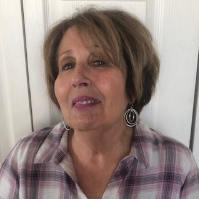
Arizona · 25 yrs exp
Experienced counselor focusing on practical change
Stress, Anxiety · Addictions · Relationship · Trauma and abuse · +11 more
Read profile
Florida · 10 yrs exp
Therapist focused on practical growth
Stress, Anxiety · Addictions · Relationship · Anger · +7 more
Read profileWhen you notice patterns of hesitation, avoidance, or repeated relationship endings, it can feel isolating and confusing. Commitment issues can show up in many ways - difficulty agreeing on long-term plans, recurrent anxiety as relationships deepen, or a sense of ambivalence when major steps arise. These experiences often intersect with intimacy and sexual health concerns, because decisions about closeness affect emotional and sexual connection. Desire differences, performance anxiety, or pain during intimacy can add emotional weight that compounds questions about commitment. You should know that seeking help is about exploring how thoughts, past experiences, values, and relationship dynamics shape choices and feelings rather than simply fixing a label.
People come to therapy hoping for clearer communication with partners, a better understanding of their own needs, or tools to manage anxiety and decision-making. If you are experiencing physical symptoms related to intimacy - for example pain, persistent discomfort, or sudden changes in sexual function - it is important to consult a doctor to rule out medical causes before or alongside discussions with a therapist. A medical check can inform the therapeutic work and help you and a clinician focus on the most relevant factors.
This directory groups profiles that list Commitment Issues among their areas of focus alongside intimacy and sexual health concerns. That grouping reflects what therapists report as focus areas and does not imply a single cause-effect relationship. For some people, unresolved attachment patterns or fear of loss contribute to commitment concerns. For others, sexual health worries or mismatched desire lead to relationship strain that brings commitment decisions into sharper relief. The profiles you will examine may also list sexual dysfunction as an additional focus area. That notation indicates an interest or focus area reported by the professional and should not be interpreted as certification, a diagnostic service, or an outcome guarantee.
As you read profiles, notice whether a therapist describes working with relationship decision-making, sexual wellbeing, or emotional reactivity. Some professionals frame their work in terms of relational patterns and attachment, while others highlight communication skills, emotion regulation, or body-focused approaches. None of those descriptions on their own proves suitability for your needs. Use them as starting points for the kinds of questions you will want to raise directly with the clinician whose profile you explore.
When you find profiles that feel relevant, prepare concrete questions to learn how a therapist might work with commitment-related concerns. Ask how they typically conceptualize uncertainty about relationships and whether they differentiate between avoidance motivated by fear and ambivalence driven by realistic value differences. Inquire about the approaches they list - for example cognitive behavioral, psychodynamic, systemic, or somatic modalities - and ask what that looks like in practice for commitment and intimacy work. If a profile mentions specific approaches such as EMDR among the approaches they offer, ask how those approaches may be applied to relationship themes rather than assuming uniform use across clinicians.
Be explicit about the populations and identities the therapist has experience with and whether they have worked with people whose cultural, sexual, or gender identities align with yours. Ask how they describe their therapeutic style - whether more directive or exploratory - and request examples of goals they commonly set with clients addressing commitment dilemmas. Verify their professional authorization to practise in their listed location; in the United States this typically means a state license, while in the United Kingdom or Australia it often means registration or professional membership with a relevant body. Remember that academic degrees such as PhD, PsyD, MD, MA, or MSW are distinct from licenses or registration and do not by themselves establish permission to practise in a given jurisdiction.
If you plan to engage in care delivered remotely, raise practical and clinical questions ahead of time to ensure it fits your needs. Discuss how the clinician manages sessions when sensitive topics about intimacy arise, what kinds of technology they use, and how they handle interruptions or privacy in your home environment. Ask about communication boundaries outside sessions, emergency planning if distress escalates, and how they approach coordination with medical providers if physical symptoms are present. You should also talk about whether partner involvement is something they offer or recommend for certain concerns, and clarify that a listed focus does not imply that partner attendance is required.
It is reasonable to ask how the therapist evaluates whether remote work is appropriate for your specific challenges, and what alternatives they suggest if in-person care or a combined approach would be preferable. If sexual or intimacy issues include physical symptoms, discuss whether they advise you to consult a medical professional first and how they integrate any medical feedback into therapeutic planning. Clear conversations about these topics before you begin can help set expectations and make it easier to focus on the emotional and relational work.
Comparing profiles is most useful when you look for concrete signals that match what matters to you. Read descriptions of focus areas to see whether a clinician lists Commitment Issues alongside intimacy, relationship communication, or sexual health concerns. Note which languages they list for practice if language or cultural nuance matters in therapy. Look at credentials and descriptions of professional authorization in the listed location - degrees such as PhD or MA tell you about academic background while information about licensure, registration, or professional membership indicates the local framework for practice. Keep in mind that a degree alone does not confirm current permission to practise in a jurisdiction.
Pay attention to how therapists describe their day-to-day style. Some profiles emphasize emotion-focused exploration and long-term relational patterns, while others prioritize practical communication skills and decision-making strategies. Profiles may mention working with individuals, couples, or families, but a listed topic does not establish that a therapist treats a particular group; you should discuss your specific needs directly. If certain approaches are important to you, phrase questions to reflect the directory language - for example, ask about how therapists who list EMDR among their approaches might apply that work to commitment or relationship trauma rather than assuming universal use. Comparing profiles with these concrete lenses - focus areas, languages, professional authorization in the listed location, and described therapeutic style - will help you identify a shorter list of clinicians to contact and ask further questions.
Navigating commitment questions and intimacy concerns is a personal process and different readers will prioritise different aspects of care. Using profiles to compare what therapists report about their focus, clinical orientation, professional standing in their listed location, and the populations they describe working with can help you narrow options and prepare informed questions. When in doubt, ask directly about anything that feels important to your situation so you can make a confident decision about whether to pursue a conversation with a clinician whose profile resonates.
Alabama
14 therapists
Arizona
18 therapists
Arkansas
12 therapists
Australia
48 therapists
California
117 therapists
Colorado
27 therapists
Connecticut
7 therapists
Delaware
3 therapists
District of Columbia
2 therapists
Florida
172 therapists
Georgia
60 therapists
Hawaii
3 therapists
Idaho
9 therapists
Illinois
36 therapists
Indiana
20 therapists
Iowa
5 therapists
Kansas
13 therapists
Kentucky
17 therapists
Louisiana
18 therapists
Maine
1 therapist
Maryland
14 therapists
Massachusetts
10 therapists
Michigan
54 therapists
Minnesota
14 therapists
Mississippi
12 therapists
Missouri
35 therapists
Montana
5 therapists
Nebraska
8 therapists
Nevada
11 therapists
New Hampshire
4 therapists
New Jersey
19 therapists
New Mexico
7 therapists
New York
72 therapists
North Carolina
51 therapists
Ohio
21 therapists
Oklahoma
30 therapists
Oregon
8 therapists
Pennsylvania
36 therapists
Rhode Island
4 therapists
South Carolina
17 therapists
South Dakota
1 therapist
Tennessee
30 therapists
Texas
158 therapists
United Kingdom
571 therapists
Utah
12 therapists
Vermont
3 therapists
Virginia
15 therapists
Washington
24 therapists
West Virginia
5 therapists
Wisconsin
24 therapists
Wyoming
1 therapist