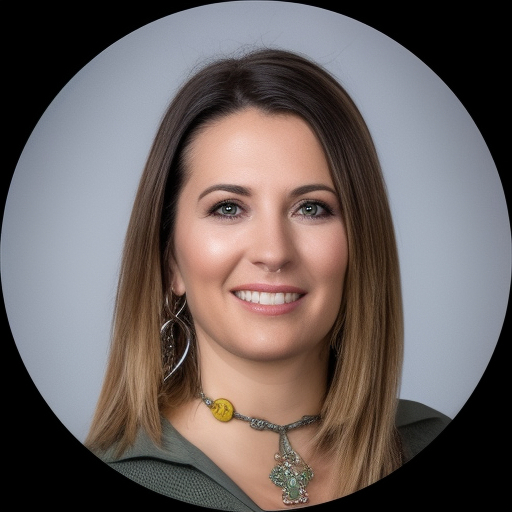
Monica Rawlings
LCMHCUtah · 10 yrs exp
Compassionate, practical mental health support
Stress, Anxiety · Addictions · Relationship · Trauma and abuse · +12 more
Read profileAn independent therapist directory · United States, United Kingdom and Australia
Therapist listings are provided by BetterHelp. We will earn a commission at no additional cost to you if you use our links to purchase.
This Utah listing groups profiles of professionals who work with intimacy and sexual health concerns so you can compare focus areas, approaches, credentials and languages. Browse the profiles to learn more about each clinician’s stated experience and the topics they note on their page.
When you find profiles that seem relevant, review each listing carefully and confirm whether the practitioner has permission to work with you where you live before reaching out.
Utah · 10 yrs exp
Compassionate, practical mental health support
Stress, Anxiety · Addictions · Relationship · Trauma and abuse · +12 more
Read profile
Utah · 6 yrs exp
Practical, compassionate social worker
Stress, Anxiety · Addictions · Relationship · Trauma and abuse · +12 more
Read profile
Utah · 10 yrs exp
Practical, skill-focused counseling for life challenges
Stress, Anxiety · Addictions · Trauma and abuse · Grief · +14 more
Read profile
Utah · 8 yrs exp
Creative counselor focused on healing and connection
Stress, Anxiety · LGBT · Trauma and abuse · Intimacy-related issues · +14 more
Read profile
Utah · 12 yrs exp
Practical counseling for relationships and life change
Stress, Anxiety · Relationship · Family · Grief · +13 more
Read profile
Utah · 8 yrs exp
Compassionate counselor focused on relationships and healing
Stress, Anxiety · Relationship · Trauma and abuse · Self esteem · +14 more
Read profile
Utah · 22 yrs exp
Practical, empathetic counseling for real-life struggles
Stress, Anxiety · Relationship · Family · Grief · +6 more
Read profile
Utah · 25 yrs exp
Restoring agency and stronger relationships
Relationship · Family · Parenting · Anger · +14 more
Read profile
Utah · 18 yrs exp
Compassionate, practical therapy for real-life struggles
Stress, Anxiety · Relationship · Trauma and abuse · Bipolar · +13 more
Read profile
Utah · 19 yrs exp
Experienced psychologist focusing on relationships and wellbeing
Stress, Anxiety · Relationship · Trauma and abuse · Self esteem · +14 more
Read profile
Utah · 12 yrs exp
Practical guidance for stress and healing
Stress, Anxiety · Addictions · Grief · Depression · +15 more
Read profile
Utah · 3 yrs exp
Trauma-informed LCSW focused on relationships
Relationship · Family · Trauma and abuse · Intimacy-related issues · +1 more
Read profileIf you are struggling with changes in desire, differences with a partner, performance anxiety, pain during sex or the emotional fallout from these experiences, it is reasonable to look for professional support. Many people seek help when difficulties affect mood, self-esteem, or relationships, or when they feel stuck trying to talk about sex and intimacy with a partner. You may be wondering whether perceived physical causes are at the root of your concern, whether relationship patterns contribute, or how to cope with shame and avoidance that build up over time.
Before pursuing therapeutic work for symptoms that might have a physical origin, it is a good idea to consult a medical provider to rule out or address any underlying medical issues. Therapy can focus on communication, emotional processing, behavioral change and sexual health education alongside any medical care you pursue. Profiles on this page can help you compare clinicians who list interest in these areas, but a listed focus is not evidence of certification in a specialty or of specific clinical outcomes.
This page groups profiles under the listed location Utah. That grouping is intended to help you find practitioners who identify a connection to Utah, but a listed location does not guarantee an in-person office or ongoing permission to practice with every resident. Always check the individual profile and confirm directly that a clinician is authorized to work with you where you live, particularly if you plan to begin care across state or national lines.
Profiles include academic degrees and professional designations. Academic degrees such as PhD, PsyD, MD, MA and MSW describe education but do not alone establish current permission to practice. In the United States, clinicians commonly hold state licenses with designations that vary by profession. In the United Kingdom and Australia, professionals may be registered with or members of national bodies or associations. The presence of a degree, registration or membership on a profile should prompt you to ask about current legal permission to practice in your jurisdiction rather than to assume unrestricted authority to provide care.
When you read a profile, consider asking concrete questions that reveal how a clinician works with intimacy and sexual health concerns. You might ask how they typically describe the first few sessions when addressing desire differences or sexual pain, what kinds of assessment they use, and whether they collaborate with medical providers when physical symptoms are present. Ask whether they have experience supporting people with your concerns, including your age range, sexual orientation, gender identity and relationship configuration, and whether they have worked with similar life circumstances such as trauma, chronic illness, or relationship transitions.
Therapists list a range of approaches on profiles. You can ask whether a clinician has found certain approaches helpful for specific issues and what you might expect from those approaches in practice. For example, you could ask about working with therapists who list cognitive-behavioral, psychodynamic, mindful, somatic or sex-positive approaches among their approaches, and what each approach would mean for session focus and homework. Remember that a listed approach is an indicator of orientation to discuss rather than proof of specialized certification. Concrete questions about past experience, typical goals, and how the clinician measures progress will help you evaluate fit.
If you and a clinician plan to work across distance, it is important to have a clear discussion about how that arrangement will be handled. You should ask whether the clinician has permission to provide care to people in your state or country, what technology they use and how they handle privacy and record keeping, and what to do in case of a mental health or medical emergency in your area. Ask how they coordinate with medical providers if physical symptoms are a concern, and whether they provide referrals to local specialists when appropriate.
It is also reasonable to discuss the practicalities that affect your experience - how they structure early sessions, what kinds of topics they expect to cover in initial assessment, and how you will work together on goals. You may want to ask about typical ways they approach conversations that can feel sensitive or vulnerable, and how they support clients in building safety, communication skills and symptom management. These conversations can clarify whether a clinician’s communication style and approach match what you need to feel understood and supported.
When comparing profiles, pay attention to how a clinician describes their focus areas and whether certain topics are listed as primary concerns or as additional focus areas. If sexual dysfunction is listed, understand that this indicates the clinician notes it among topics they address, but it is not evidence of a certified specialty or specific training. Look for language about populations or situations they mention frequently, and note any statements about experience with particular identities or relationship types that are important to you.
Language access is another practical consideration. Read profiles for which languages are spoken and how language is incorporated into care. Consider whether you prefer a clinician who names a sex-positive stance or who emphasizes medical collaboration, and look for descriptions of therapeutic style such as more directive problem-solving versus reflective exploratory work. Compare academic degrees and professional registrations or licenses while remembering that a degree is distinct from the legal permissions or registrations that govern practice in different countries. In your comparisons, prioritize the concrete questions you will ask when you contact a clinician - about permission to practice in your location, their experience with issues like pain or desire differences, how they work with partners if that is relevant to you, and how they coordinate with medical providers. Those direct conversations, informed by what you read on profiles, will help you identify clinicians to contact for an initial conversation about fit.
Choosing someone to work with is a personal decision shaped by the issue you bring, the kind of support you want, and practical considerations such as language and jurisdictional permission. Use the profiles on this Utah page as a starting point to compare focus areas, approaches, credentials and style, and confirm essential details on each individual profile before reaching out.
Attachment Issues
1486 therapists
Body Image
1323 therapists
Commitment Issues
1401 therapists
Communication Problems
1682 therapists
Coping with Life Changes
1488 therapists
Divorce
1564 therapists
Fertility Issues
751 therapists
Infidelity
1473 therapists
Relationship
1649 therapists
Self-Love
1641 therapists
Separation
1564 therapists