Therapist listings are provided by BetterHelp. We will earn a commission at no additional cost to you if you use our links to purchase.

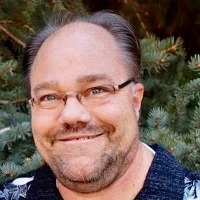
Brandon Woffinden

Brandon Woffinden, LCMHC

Therapist in Utah

Practical, skill-focused counseling for life challenges

Continue with Brandon

Review online therapy options on BetterHelp.

Experience

10+ years

Credentials

LCMHC

Languages

English

Based in

Utah

  • Client-centered approach
  • CBT and DBT tools
  • 30 minute sessions

About Brandon

Brandon Woffinden is a Licensed Clinical Mental Health Counselor (LCMHC) who helps people facing stress, anxiety, mood struggles, grief, addiction, and intimacy-related issues. He recognizes how hard it can be to ask for help and offers steady, practical support for people taking that first step. Brandon writes plainly and meets people where they are. He draws on ten years of counseling experience and practical life experience from a prior career in law enforcement. Brandon uses tools from cognitive behavioral therapy and dialectical behavior therapy to address thoughts, habits, and emotional regulation. He also incorporates mindfulness, meditation, emotional freedom techniques, deep breathing, and cognitive reframing when helpful. Sessions focus on clear goals and skills you can use between meetings. Brandon often helps people work through trauma, PTSD symptoms, grief and loss, first responder resilience, depression, and challenges linked to ADHD or relationship strain. He pays attention to spiritual concerns when clients want to include them in work together. Brandon trained at the University of Phoenix and holds a master’s degree in Clinical Mental Health Counseling. He practices in Utah and carries ten years of professional experience. His approach mixes practical skill-building with a respectful, person-centered attitude. If you want to try a shorter visit first, sessions are offered in 30-minute increments on his scheduling page. To begin, use the Start Therapy button and complete the short matching questionnaire before scheduling.

How therapeutic approaches shape online work

Client-Centered Therapy focuses on listening and responding to each person's needs. It emphasizes the client's perspective and supports people in finding their own answers, which can help with self-esteem and life decisions.

Cognitive Behavioral Therapy, or CBT, targets the connections between thoughts, feelings, and actions. It teaches tools for changing unhelpful thinking and behavior patterns, which can reduce anxiety, depression, and problematic habits.

Dialectical Behavior Therapy, or DBT, emphasizes emotional regulation, distress tolerance, and improved communication. It is useful for strong emotions, impulsive behavior, and relationship strain.

Finding the right approach is part of the process. The therapist will work collaboratively to choose methods that match a client's goals, needs, and preferences. That may mean trying different techniques and adjusting the plan over time.

Confirm current online session options before booking. Online work can make it easier to fit therapy into a busy life, cut down on travel time, and allow shorter check-ins when schedules demand them. It can also let people use practices like mindfulness and breathing exercises in the moment where they live and work. Ask about available formats when you schedule so sessions match your daily routine.

Areas of expertise

Primary focus

Also works with

LGBTRelationship issuesFamily conflictsIntimacy-related issuesParenting issuesAnger managementCareer difficultiesBipolar disorderDepressionCoping with life changesCoachingCompassion fatigueADHD

Additional focus areas

AbandonmentAdoption and foster careAging and geriatric issuesAntisocial personalityAttachment issuesAutism and Asperger SyndromeBlended family issuesBody imageCancerCaregiver issues and stressChronic pain, illness, and disabilityCodependencyCommitment issuesCommunication problemsControl issuesCoping with natural or human-caused disasterDissociationDivorce and separationDomestic violenceDrug and alcohol addictionEating and food-related issuesEmptinessFamily of origin issuesFamily problemsFatherhood issuesFertility issuesFirst responder issuesForgivenessGuilt and shameHearing impairedHIV / AIDSHoardingHospice and end-of-life counselingImpulsivityInfidelityIntellectual disabilityIsolation / lonelinessJealousyLife purposeMen's issuesMidlife crisisVeteran and Armed Forces IssuesMoney and financial issuesMood disordersMulticultural concernsNarcissismObsessions, compulsions, and OCDPanic disorder and panic attacksParanoiaPersonality disordersPhobiasPostpartum depressionPost-traumatic stressPregnancy and childbirthPrejudice and discriminationProcess addiction (porn, exercise, gambling)Seasonal Affective Disorder (SAD)Self-harmSelf-loveSex addictionSexual assault and abuseSexual dysfunctionSexualitySmoking / vaping cessationSocial anxiety and phobiaTraumatic brain injuryTrichotillomaniaVisually impairedWomen's issuesWorkplace issuesYoung adult issues

Therapeutic approaches

Client-Centered TherapyCognitive Behavioral Therapy (CBT)Dialectical Behavior Therapy (DBT)Existential TherapyHypnotherapyMindfulness TherapyMotivational InterviewingSolution-Focused TherapyTrauma-Focused Therapy

License details

LCMHC · Utah
6526381-6004
NPI (National Provider Identifier)
1366799959

As listed on the therapist's professional profile. You can check these details with the relevant licensing board, professional body or registry.

Frequently asked questions

What kinds of concerns does Brandon help with?

He supports people managing stress, anxiety, addictions, trauma, grief, depression, intimacy-related issues, relationship and family concerns, ADHD, and related areas listed in his specialties.

How would you describe his therapy style?

His style is straightforward and skills-based. He blends client-centered conversation with practical exercises from CBT and DBT.

What is his professional background?

He has ten years of counseling experience and previously spent a decade working in law enforcement, which informs his approach to resilience and trauma work.

Where is he licensed and located?

He holds a Utah LCMHC credential and practices in Utah.

Which languages are supported in sessions?

Sessions are offered in English.

Can people outside the United States work with him?

International clients are not currently accepted.

How are session lengths and cost handled?

Sessions are offered in 30-minute increments and cost varies with location and therapist availability; they use a subscription model that can be canceled at any time.

What steps are involved in getting started?

Click the Start Therapy button, complete a short matching questionnaire, and then schedule sessions according to the therapist's availability.

Some intimacy concerns have a physical side. If you notice pain or other physical symptoms, please speak with a doctor as well. Therapy can sit alongside medical care, not replace it.

Brandon WoffindenContinue with Brandon