
Anne Douglas
LMFTNorth Carolina · 25 yrs exp
Compassionate therapist for relationship and life challenges
Stress, Anxiety · Relationship · Family · Grief · +15 more
Read profileAn independent therapist directory · United States, United Kingdom and Australia
Therapist listings are provided by BetterHelp. We will earn a commission at no additional cost to you if you use our links to purchase.
Compare profiles of clinicians who list Communication Problems among their specialty or focus areas, along with intimacy and sexual health concerns. Browse listed locations, approaches, languages and credentials to find profiles that match your needs.
North Carolina · 25 yrs exp
Compassionate therapist for relationship and life challenges
Stress, Anxiety · Relationship · Family · Grief · +15 more
Read profile
Texas · 20 yrs exp
Practical therapy for stress and intimacy concerns
Stress, Anxiety · LGBT · Relationship · Self esteem · +16 more
Read profile
Michigan · 25 yrs exp
Compassionate counselor with practical tools
Stress, Anxiety · LGBT · Relationship · Grief · +10 more
Read profile
Colorado · 19 yrs exp
Experienced LCSW for practical emotional support
Stress, Anxiety · Relationship · Trauma and abuse · Grief · +12 more
Read profile
Georgia · 10 yrs exp
Renewed connection and practical steps
Stress, Anxiety · Grief · Self esteem · Depression · +10 more
Read profile
Kansas · 12 yrs exp
Compassionate, direct support for relationship and intimacy concerns
Stress, Anxiety · Relationship · Intimacy-related issues · Depression · +13 more
Read profile
North Carolina · 10 yrs exp
Compassionate clinical social worker blending faith and evidence
Stress, Anxiety · Relationship · Family · Bipolar · +16 more
Read profile
Florida · 15 yrs exp
Relationship-focused LCSW helping with intimacy concerns
Relationship · Family · Intimacy-related issues · Coaching · +4 more
Read profile
Illinois · 10 yrs exp
Insightful counselor focused on relationships and wellbeing
Stress, Anxiety · LGBT · Relationship · Trauma and abuse · +10 more
Read profile
Colorado · 11 yrs exp
Compassionate counselor for relationship and identity concerns
Stress, Anxiety · LGBT · Trauma and abuse · Anger · +15 more
Read profile
Texas · 21 yrs exp
Compassionate, practical support for healing
Stress, Anxiety · Relationship · Trauma and abuse · Intimacy-related issues · +15 more
Read profile
Texas · 25 yrs exp
Compassionate counselor focused on relationships and healing
Stress, Anxiety · Family · Intimacy-related issues · Self esteem · +15 more
Read profile
Indiana · 8 yrs exp
Practical support for stress and intimacy concerns
Stress, Anxiety · Addictions · Family · Trauma and abuse · +15 more
Read profile
Florida · 20 yrs exp
Experienced Florida LMHC focused on practical change
Addictions · Relationship · Trauma and abuse · Parenting · +14 more
Read profile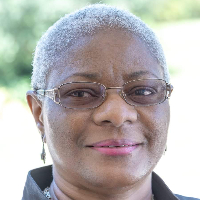
Florida · 19 yrs exp
Calm, client-centered counseling for life transitions
Stress, Anxiety · Family · Grief · Depression · +12 more
Read profile
Illinois · 12 yrs exp
Warm, practical therapy for lasting change
Trauma and abuse · Self esteem · Coping with life changes · Coaching · +8 more
Read profile
Missouri · 17 yrs exp
Compassionate counselor focused on practical change
Stress, Anxiety · Addictions · Relationship · Anger · +9 more
Read profile
California · 5 yrs exp
Supportive therapist for life transitions
Stress, Anxiety · Relationship · Family · Depression · +13 more
Read profile
Tennessee · 35 yrs exp
Experienced Tennessee LMFT focused on practical change
Addictions · Relationship · Family · Trauma and abuse · +1 more
Read profile
North Carolina · 13 yrs exp
Helping people navigate relationships and intimacy challenges
Stress, Anxiety · Addictions · Intimacy-related issues · Depression · +10 more
Read profile
Nevada · 10 yrs exp
Support for anxiety, trauma, and intimacy issues
Stress, Anxiety · Trauma and abuse · Parenting · Self esteem · +15 more
Read profile
Kentucky · 15 yrs exp
Compassionate care for stress and relationship struggles
Stress, Anxiety · Relationship · Parenting · Anger · +13 more
Read profile
Oklahoma · 9 yrs exp
Practical, collaborative therapy for everyday struggles
Stress, Anxiety · Anger · Self esteem · Coping with life changes · +16 more
Read profile
Texas · 39 yrs exp
Experienced LCSW helping people through life transitions
Stress, Anxiety · Relationship · Trauma and abuse · Intimacy-related issues · +11 more
Read profileWhen conversations about desire, boundaries, performance anxiety, pain or discomfort feel difficult, it is common to experience frustration, shame or distance in a relationship. You may notice patterns that repeat - avoiding talks about sexual needs, feeling misunderstood when you try to explain what helps, or reacting with anger or withdrawal when sensitive topics come up. These communication patterns affect emotional connection as well as sexual wellbeing, and they are often tangled with expectations, past experiences and stress outside the relationship.
Because some intimacy concerns have physical contributors, it is sensible to check with a medical professional if you have new or ongoing pain, changes in arousal, or other physical symptoms. A medical evaluation can rule out or address physical causes so that conversations with a mental health professional can focus on emotional, relational and sexual health aspects. You do not need to know all the answers before you search for help - starting with profiles that match your concerns can help you prepare questions and priorities for an initial conversation.
Communication difficulties are a common reason people look for help with intimacy and sexual health concerns. In this directory you will find profiles that list Communication Problems as a focus area alongside broader intimacy or sexual health topics. That listing indicates the clinician includes communication as part of their clinical focus, but it does not imply a particular training pathway or specialization beyond what is described on the profile. You should read each profile to see how a clinician frames the issue, what other focus areas they note, and the populations they mention working with.
The relationship between communication and sexual health is complex and unique for each person or couple. For some, mismatched desire or performance-related anxiety is the primary concern that fosters difficult conversations. For others, emotional distance, trauma history, cultural messages or identity-related stress shape how you talk about sex and intimacy. Therapists who list communication and sexual health among their approaches may bring different perspectives - for example, some may emphasize emotion and attachment, others may describe a skills-based orientation focused on listening and expressing needs, and some may incorporate mindfulness or stress-management strategies. These are options to discuss rather than guarantees in any one profile.
As you review profiles, having concrete questions ready will help you compare clinicians on matters that matter to you. You might ask whether the clinician lists experience supporting people with your particular concerns, such as desire differences, performance anxiety or recovery after painful experiences. It is also useful to inquire how they describe their approach - for example, whether they explain working with emotions and attachment, whether they list practical communication skills, or whether they mention coping strategies for anxiety that affects intimacy. Since profiles often list modalities among approaches, you can ask whether a clinician works with particular strategies you are curious about by referring to those approaches as options to discuss.
Clarify who the clinician typically works with and how they define their scope. A profile may list work with individuals, couples, or people across sexual orientations and gender identities, but a listing does not guarantee a match for your exact needs. Ask about their experience with your relationship configuration, cultural background or language preference. You can also ask for a short description of what an initial session usually covers so you know what to expect when you make contact through the profile's listed location information.
Before you begin sessions, there are practical and clinical topics that make the first meetings more productive. Discuss whether the clinician offers in-person meetings at a listed location, remote sessions, or a mix, and ask how they handle differences between those formats. If you plan to meet remotely, ask about the technology they prefer and whether there are specific steps you should take to set up a comfortable setting at home. It is reasonable to ask how they manage urgent concerns and what support they recommend in your area if you need immediate medical or safety assistance.
Talk about boundaries and expectations, including session length, typical focus areas for the first few meetings, and general approaches to goal-setting. You can ask how they coordinate care with medical providers if physical symptoms are present, and whether they recommend an initial medical check for pain, hormonal changes or other bodily issues. While clinicians may discuss relationship involvement differently, you can ask whether they generally work with individuals, partners or both, and what to expect if you want to involve another person at a later stage. These conversations help you decide which profiles feel aligned with your priorities.
Comparing profiles on concrete criteria helps you narrow choices in a meaningful way. Start by scanning focus areas to confirm that Communication Problems and related intimacy or sexual health topics are listed. Notice whether profiles mention related areas that are important to you - for example, trauma-informed practice, work with desire differences, or pain-related sexual concerns. Language offerings are also practical: if you prefer a clinician who speaks your first language, look for that detail in the profile or ask directly using the listed contact options.
Review the credentials that appear on profiles and understand what they mean in context. Degrees such as PhD, PsyD, MD, MA or MSW reflect academic qualifications, while permission to practice often depends on professional licensing or registration in the clinician's country. In the United States clinicians commonly hold a state license from a relevant board. In the United Kingdom and Australia professionals may show registration or membership with national or regional professional bodies. A degree alone does not indicate current permission to practice. Profiles may list both educational degrees and professional registrations or memberships - you can ask a clinician to clarify how they are recognized to practice in their listed location.
Finally, consider style and interpersonal fit. Profiles sometimes describe a clinician's approach to working with clients - whether they emphasize practical skills, emotion-focused exploration, or a supportive problem-solving stance. Because descriptions vary, look for language about how the clinician partners with clients, how they set goals, and what happens in early sessions. These stylistic cues can help you choose profiles that feel likely to match your communication preferences and comfort level. Use the profile details to prepare brief, concrete questions so that when you reach out you can quickly determine whether the clinician's focus areas, approaches and communication style feel like a good match for your needs.
Use the listings above to compare profiles by focus, languages, professional credentials and therapeutic style. Preparing specific questions and checking medical options for physical symptoms before beginning therapy will help you get started with clarity. When you find profiles that reflect what you are looking for, reach out through the contact options listed to learn more and decide if the clinician is right for your goals.
Alabama
14 therapists
Arizona
18 therapists
Arkansas
12 therapists
Australia
48 therapists
California
117 therapists
Colorado
27 therapists
Connecticut
7 therapists
Delaware
3 therapists
District of Columbia
2 therapists
Florida
172 therapists
Georgia
60 therapists
Hawaii
3 therapists
Idaho
9 therapists
Illinois
36 therapists
Indiana
20 therapists
Iowa
5 therapists
Kansas
13 therapists
Kentucky
17 therapists
Louisiana
18 therapists
Maine
1 therapist
Maryland
14 therapists
Massachusetts
10 therapists
Michigan
54 therapists
Minnesota
14 therapists
Mississippi
12 therapists
Missouri
35 therapists
Montana
5 therapists
Nebraska
8 therapists
Nevada
11 therapists
New Hampshire
4 therapists
New Jersey
19 therapists
New Mexico
7 therapists
New York
72 therapists
North Carolina
51 therapists
Ohio
21 therapists
Oklahoma
30 therapists
Oregon
8 therapists
Pennsylvania
36 therapists
Rhode Island
4 therapists
South Carolina
17 therapists
South Dakota
1 therapist
Tennessee
30 therapists
Texas
158 therapists
United Kingdom
571 therapists
Utah
12 therapists
Vermont
3 therapists
Virginia
15 therapists
Washington
24 therapists
West Virginia
5 therapists
Wisconsin
24 therapists
Wyoming
1 therapist