
Wanda Bush
LPCLouisiana · 15 yrs exp
Compassionate counselor focused on practical growth
Stress, Anxiety · Relationship · Family · Anger · +14 more
Read profileAn independent therapist directory · United States, United Kingdom and Australia
Therapist listings are provided by BetterHelp. We will earn a commission at no additional cost to you if you use our links to purchase.
This page gathers therapist profiles with a listed location of Louisiana so visitors can compare focus areas, approaches, languages and credentials. Review individual profiles to learn more about experience and to confirm whether a therapist can work with clients where they live.
Louisiana · 15 yrs exp
Compassionate counselor focused on practical growth
Stress, Anxiety · Relationship · Family · Anger · +14 more
Read profile
Louisiana · 30 yrs exp
Compassionate social worker for relationship and mood concerns
Stress, Anxiety · Relationship · Family · Trauma and abuse · +14 more
Read profile
Louisiana · 9 yrs exp
Compassionate therapist for life transitions
Stress, Anxiety · Relationship · Family · Trauma and abuse · +13 more
Read profile
Louisiana · 24 yrs exp
Practical support for relationship and life struggles
LGBT · Trauma and abuse · Parenting · Career · +16 more
Read profile
Louisiana · 10 yrs exp
Practical counseling for stress and addiction
Stress, Anxiety · Addictions · Self esteem · Compassion fatigue
Read profile
Louisiana · 15 yrs exp
Calm, practical support for life changes
Trauma and abuse · Grief · Eating · Self esteem · +1 more
Read profile
Louisiana · 4 yrs exp
Hopeful, practical therapy for intimate and life challenges
Addictions · LGBT · Relationship · Trauma and abuse · +15 more
Read profile
Louisiana · 38 yrs exp
Experienced, person-centered LCSW supporting life transitions
Stress, Anxiety · LGBT · Relationship · Self esteem · +8 more
Read profile
Louisiana · 25 yrs exp
Experienced therapist blending practical skills and reflection
Stress, Anxiety · Relationship · Anger · Self esteem · +8 more
Read profile
Louisiana · 19 yrs exp
Experienced LPC blending therapy and coaching
Stress, Anxiety · LGBT · Relationship · Trauma and abuse · +11 more
Read profile
Louisiana · 25 yrs exp
Compassionate counselor focused on practical change
Stress, Anxiety · Relationship · Self esteem · Depression · +13 more
Read profile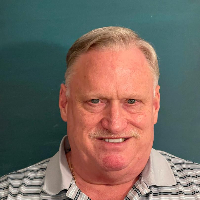
Louisiana · 18 yrs exp
Patient listener who emphasizes practical tools
Stress, Anxiety · Relationship · Family · Trauma and abuse · +10 more
Read profile
Louisiana · 9 yrs exp
Practical counseling with storytelling and clarity
Stress, Anxiety · Addictions · Trauma and abuse · Anger · +9 more
Read profile
Louisiana · 10 yrs exp
Compassionate counselor focused on practical growth
Stress, Anxiety · Relationship · Intimacy-related issues · Self esteem · +16 more
Read profile
Louisiana · 10 yrs exp
Practical, strengths-based therapy for lifes challenges
Addictions · Relationship · Family · Intimacy-related issues · +16 more
Read profile
Louisiana · 16 yrs exp
Compassionate counselor focused on practical progress
Stress, Anxiety · Anger · Career · Depression · +9 more
Read profile
Louisiana · 15 yrs exp
Collaborative, practical therapy for everyday challenges
Stress, Anxiety · LGBT · Self esteem · Depression · +14 more
Read profile
Louisiana · 25 yrs exp
Experienced LPC focused on practical healing
Stress, Anxiety · Addictions · Trauma and abuse · Grief · +15 more
Read profileIf you are noticing changes in desire, ongoing performance anxiety, pain or discomfort during sexual activity, or shifts in emotional connection with a partner, seeking professional support can help you sort options and next steps. Many concerns involve both physical and relational elements, so it can be useful to clarify whether symptoms are primarily medical, psychological, relational, or a combination. If you notice pain or sudden changes in bodily function, it is appropriate to check with a medical provider first to rule out underlying health conditions before or while exploring therapeutic supports.
Intimacy and sexual health topics often intersect with broader mental health issues such as anxiety, depression, trauma histories, identity concerns, or relationship conflict. You may be looking to address desire differences, to understand and manage performance-related anxiety, to cope with shame or body image worries, or to rebuild trust after an injury or breach. Therapists in this directory describe a range of focus areas; a listed focus area is a starting point for conversation rather than a guarantee of expertise in every case. Think about the specific outcomes you hope to discuss so you can raise those directly in an initial exchange with a profile you are considering.
Profiles on this site are grouped under a listed location of Louisiana to help you narrow options geographically, but a listed location does not by itself prove the presence of an office, an in-state license, or ongoing permission to practice in that jurisdiction. You should review each profile closely and contact the therapist to confirm whether they are able to work with you in your location. This is especially important when crossing state or national borders, because rules about providing care remotely vary by place.
When you review credentials, note the difference between academic degrees and professional permission to practice. Degrees such as PhD, PsyD, MD, MA and MSW indicate the level and field of formal education, but a degree alone does not establish current legal permission to offer therapeutic services. In the United States look for a state license or other credential that authorizes practice in a particular state. In the United Kingdom and Australia professionals may list registration, membership, or accreditation with national bodies; these terms differ from one another and from U.S. licensing. Profiles may include degrees, registrations or memberships, but you should ask directly about current jurisdictional permission to work with you where you live.
When contact is appropriate, prepare specific questions that let you compare how different therapists approach sexual health. Ask about experience with the issue you are facing - for example, whether they have worked with desire differences in long-term relationships, with performance anxiety across genders, or with sexual pain. Ask concrete questions about how they frame the problem, such as whether they view it primarily through relational dynamics, medical contributors, trauma responses, or a combination. This will help you learn whether their orientation aligns with what you want to address.
Inquire about therapeutic options as topics to discuss rather than as guarantees. Some profiles will note approaches such as cognitive behavioral techniques, mindfulness-informed practices, psychodynamic perspectives, somatic work or attachment-focused therapy. Phrase your question so it matches the profile language - for instance, "I see you list somatic approaches among your methods; how might you use that with someone experiencing sexual pain?" You can also ask about experience with diverse identities and relationship styles, about whether partners typically participate when relevant, and about expected timeframes for discussing goals. These targeted questions will clarify whether a therapist’s style and experience fit your needs.
If you are considering remote sessions, confirm whether the therapist is permitted to work with clients in your state or country. Ask specifically about the listed location and whether that reflects an office address, a primary work region, or another form of affiliation. Clarify practical matters such as the platforms used for remote meetings and the therapist’s privacy practices for electronic communication. You might also ask how they handle emergency situations when a client is not in the same jurisdiction, and what supports they recommend locally.
Talk through expectations for session boundaries and participation. If you think a partner’s presence might be helpful at times, ask how the therapist integrates partner work and whether that is a routine part of their practice or an option to discuss. If you plan to attend from home, plan for a private space for sessions and for minimizing interruptions. Discuss how the therapist documents progress and how they recommend coordinating with medical providers if physical symptoms are part of the concern. These discussions before beginning care create clearer mutual understanding about logistics and safety.
When comparing profiles from Louisiana, pay attention to how each profile describes focus areas and additional concerns. Look for mention of sexual dysfunction alongside relational, trauma, gender and identity work. Remember that a profile listing sexual dysfunction is not evidence of specialist certification or specific treatment outcomes. Use profiles as a way to identify practitioners who might share an interest or experience with your concerns, and then reach out to ask about specifics such as population worked with, typical session structure, and professional jurisdiction.
Language and cultural competence matter for intimate topics. Many profiles note the languages a therapist uses; if you prefer to speak in a language other than English, prioritize profiles that list that language and ask about cultural competence in areas relevant to your identity. Compare credentials by distinguishing educational degrees from licensing or registration. You can ask a profile-holder to clarify whether a degree is accompanied by a current license, registration or professional membership that allows them to practice in Louisiana or remotely with someone living there.
Style and approach can be decisive. Some therapists emphasize practical, skills-based work while others emphasize reflective, insight-oriented conversations or body-focused approaches. Ask how they tailor interventions to different relationship structures and how they include medical collaboration when physical factors are present. A helpful comparison question is: "How do you typically work with someone whose main concern is X, and what would you want me to do between sessions?" The answer will give you a sense of session rhythm and therapist expectations.
As you browse these profiles, keep in mind that the listed location is a search aid, not a guarantee of an in-person office or of licensure in Louisiana. Confirm permission to practice where you live, discuss concrete goals and logistics, and consult a doctor for physical symptoms before or during therapeutic work. Thoughtful questions and careful comparison will help you identify profiles to contact and start a conversation about the right next step for your intimacy and sexual health concerns.
Attachment Issues
1486 therapists
Body Image
1323 therapists
Commitment Issues
1401 therapists
Communication Problems
1682 therapists
Coping with Life Changes
1488 therapists
Divorce
1564 therapists
Fertility Issues
751 therapists
Infidelity
1473 therapists
Relationship
1649 therapists
Self-Love
1641 therapists
Separation
1564 therapists