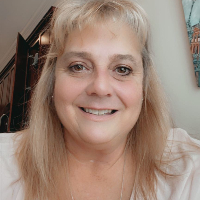
Angelle Escousse, LCSW
Therapist in Louisiana
Compassionate social worker for relationship and mood concerns
Continue with AngelleReview online therapy options on BetterHelp.
Experience
30+ years
Credentials
LCSW
Languages
English
Based in
Louisiana
- 30 years experience
- Person-focused approach
- Works on intimacy issues
About Angelle
How therapeutic approaches shape online care
Client-Centered Therapy focuses on listening and understanding the person’s viewpoint. The therapist reflects what is said and helps clients find their own solutions, which can be useful for relationship concerns and self-esteem work.Cognitive Behavioral Therapy, or CBT, looks at the links between thoughts, feelings, and behaviors. It uses simple exercises to change unhelpful thinking and build new habits, often helpful for anxiety, depression, and stress management.
Emotionally-Focused Therapy helps people identify and name emotions and how those feelings influence their connections with others. It can be useful when addressing intimacy-related issues or communication problems.
Finding the right approach is usually a team effort. The therapist will talk with the client about goals, try out methods, and adjust the plan together based on what helps most.
Check which session formats are available before booking, since formats are not listed here. Online therapy can make it easier to fit sessions into a busy schedule, reduce travel time, and allow for shorter check-ins when needed. It can also let someone continue work from a different location or while traveling. Licensed professionals can explain how specific approaches will be used in their online sessions and help arrange a plan that fits the client’s life.
Areas of expertise
Primary focus
Also works with
Additional focus areas
Therapeutic approaches
License details
- LCSW · Louisiana
- 4140
- NPI (National Provider Identifier)
- 1891911822
As listed on the therapist's professional profile. You can check these details with the relevant licensing board, professional body or registry.
Frequently asked questions
What kinds of concerns does Angelle address?
She helps with mood disorders, trauma, relationship and parenting issues, plus stress, anxiety, grief, addictions, intimacy-related concerns, and more.
How would you describe her therapeutic style?
Her style is flexible and person-centered, combining empathy with practical suggestions and honest feedback to support change.
What experience does she bring to therapy?
She has 30 years of clinical experience since earning a Master of Social Work in 1994 and has worked with adults, children, and families in various settings.
Where is she licensed and based?
She practices in Louisiana and holds an LCSW license in that state.
In which languages can sessions be conducted?
Sessions are offered in English, and she is available to work with international clients.
What session formats are offered?
Specific session formats are not listed here; please confirm current session options with the service before booking.
How is cost handled for sessions?
Cost varies with location and therapist availability, and sessions use a subscription that can be canceled at any time.
How do I begin working with her?
Use the Start Therapy button, complete a short matching questionnaire, and schedule according to therapist availability.
Some intimacy concerns have a physical side. If you notice pain or other physical symptoms, please speak with a doctor as well. Therapy can sit alongside medical care, not replace it.