
Gary Grant
Calm, experienced guide for lasting change
Read profileAn independent therapist directory · United States, United Kingdom and Australia
A gentle place to begin
Closeness, desire and connection can be hard to put into words. Read about therapists who list intimacy among their areas of focus, and take your time deciding who feels right.
Many people find intimacy hard to raise face to face. Online sessions mean you can use online therapy in a private space of your own choosing, such as a quiet room at home, at a time that suits you.
Start with what feels closest to your situation. Each page lists therapists who include it among their areas of focus.
Each profile describes the therapist's experience, approach and areas of focus.
Calm, experienced guide for lasting change
Read profile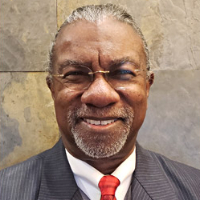
Experienced counselor for relationship and life changes
Read profile
Compassionate guidance for life and intimacy challenges
Read profile
Experienced counselor focused on practical support
Read profile
Compassionate, experienced counselor focused on practical change
Read profile
Experienced LCSW focused on personal growth
Read profileLook at how a therapist describes their approach and the concerns they list. A sense of ease matters as much as a credential.
Where a therapist is registered, the languages they speak and their years of experience are listed on each profile.
Some intimacy concerns have a physical side. If you notice pain or other physical symptoms, please speak with a doctor as well. Therapy can sit alongside medical care, not replace it.
Browse the locations listed on profiles, and check that a therapist can work with people where you live.