
Karen Kavaloski
LPC, LPCCMissouri · 17 yrs exp
Compassionate counselor focused on practical change
Stress, Anxiety · Addictions · Relationship · Anger · +9 more
Read profileAn independent therapist directory · United States, United Kingdom and Australia
Therapist listings are provided by BetterHelp. We will earn a commission at no additional cost to you if you use our links to purchase.
This page gathers profiles with a listed location in Missouri that include intimacy and sexual health concerns among their focus areas. Compare approaches, focus areas, degrees, languages and therapeutic style, then browse profiles to learn more about each clinician.
Missouri · 17 yrs exp
Compassionate counselor focused on practical change
Stress, Anxiety · Addictions · Relationship · Anger · +9 more
Read profile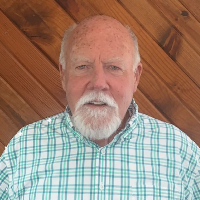
Missouri · 45 yrs exp
Experienced counselor focused on practical support
Stress, Anxiety · Relationship · Family · Parenting · +15 more
Read profile
Missouri · 12 yrs exp
Compassionate therapy for practical change
Stress, Anxiety · Relationship · Grief · Depression · +10 more
Read profile
Missouri · 25 yrs exp
Practical, experienced counselor for life challenges
Stress, Anxiety · Addictions · Relationship · Family · +14 more
Read profile
Missouri · 35 yrs exp
Seasoned counselor blending practical and relational care
Stress, Anxiety · Addictions · Trauma and abuse · Depression · +9 more
Read profile
Missouri · 17 yrs exp
Compassionate counselor for stress and intimacy concerns
Stress, Anxiety · Addictions · Trauma and abuse · Bipolar · +12 more
Read profile
Missouri · 4 yrs exp
Practical therapy focused on relationships and wellbeing
Stress, Anxiety · Relationship · Intimacy-related issues · Depression · +1 more
Read profile
Missouri · 11 yrs exp
Compassionate, practical therapy for life changes
Grief · Anger · Self esteem · Career · +1 more
Read profile
Missouri · 15 yrs exp
Practical, compassionate support for life changes
Stress, Anxiety · Relationship · Self esteem · Depression · +15 more
Read profile
Missouri · 16 yrs exp
Compassionate therapist for life transitions
Stress, Anxiety · Trauma and abuse · Grief · Depression · +12 more
Read profile
Missouri · 27 yrs exp
Experienced LPC focused on practical change
Stress, Anxiety · Relationship · Trauma and abuse · Parenting · +10 more
Read profile
Missouri · 21 yrs exp
Compassionate, practical therapy for life changes
Stress, Anxiety · Grief · Anger · Bipolar · +9 more
Read profile
Missouri · 12 yrs exp
Practical, goal-focused social work care
Stress, Anxiety · Trauma and abuse · Anger · Self esteem · +11 more
Read profile
Missouri · 17 yrs exp
Compassionate counselor focusing on real-life change
Stress, Anxiety · Addictions · Relationship · Family · +9 more
Read profile
Missouri · 15 yrs exp
Experienced LPC offering empathetic, individualized care
Stress, Anxiety · Trauma and abuse · Grief · Anger · +1 more
Read profile
Missouri · 13 yrs exp
Compassionate therapist for complex life issues
Addictions · Family · Trauma and abuse · Career · +16 more
Read profile
Missouri · 10 yrs exp
Practical counseling for stress and intimacy concerns
Stress, Anxiety · Trauma and abuse · Self esteem · Depression · +13 more
Read profile
Missouri · 10 yrs exp
Practical, present-focused counselor for life transitions
Stress, Anxiety · Relationship · Family · Self esteem · +12 more
Read profile
Missouri · 5 yrs exp
Compassionate, practical therapy for life challenges
Stress, Anxiety · Family · Trauma and abuse · Self esteem · +15 more
Read profile
Missouri · 6 yrs exp
Compassionate, practical counseling for life changes
LGBT · Relationship · Family · Trauma and abuse · +11 more
Read profile
Missouri · 4 yrs exp
Therapist focusing on practical growth
Stress, Anxiety · Relationship · Family · Intimacy-related issues · +12 more
Read profile
Missouri · 6 yrs exp
Practical support for stress and trauma recovery
Stress, Anxiety · Trauma and abuse · Parenting · Self esteem · +16 more
Read profile
Missouri · 13 yrs exp
Compassionate, practical therapy for real-life problems
Stress, Anxiety · Addictions · Relationship · Self esteem · +15 more
Read profile
Missouri · 9 yrs exp
Therapist focused on connection and practical change
Stress, Anxiety · Relationship · Family · Trauma and abuse · +11 more
Read profileWhen you search for help with intimacy or sexual health, you may be thinking about a wide range of challenges that affect emotional connection, desire and functioning. Concerns can include differences in desire between partners, anxiety that affects sexual activity or performance, pain or discomfort that occurs during intimacy and the emotional impact of these experiences on relationships and self-image. You might also be navigating the aftermath of a sexual trauma, changes after medical treatment, or the stress that comes from mismatched expectations. Conversations about these topics are often as much about feelings, identity and communication as they are about physical responses.
If you are experiencing pain or new physical symptoms it is sensible to consult a medical professional first to rule out or address any medical causes. A medical check can be an important step before or alongside working with a clinician who lists sexual health as a focus area. Keep in mind that a clinician listing sexual dysfunction or intimacy issues among their focuses does not, by itself, document a particular certification or medical capacity. Use profiles to learn who emphasizes the emotional and relational side of sexual health and who notes collaboration with medical providers.
Profiles on this site show a listed location in Missouri, and that listed location is a starting point for finding clinicians whose profiles may be relevant to you. A listed location does not guarantee that a clinician holds an active permission to practice in every area, nor does it confirm the presence of a physical office at that address. You should check each profile and contact the clinician to confirm whether they are legally permitted to work with you where you live and whether they offer the format of care you prefer.
Professional information can include academic degrees and licensing or membership details. Academic degrees such as PhD, PsyD, MD, MA and MSW describe educational attainment and are distinct from professional licenses or registrations that grant permission to practice in a particular jurisdiction. In the United States clinicians typically note state licenses; in the United Kingdom and Australia clinicians may note professional registration or membership in professional bodies. A degree alone does not establish current permission to practice. When you compare profiles, look for clear statements about the clinician's professional standing in the region where you live and ask them directly if you need confirmation.
It helps to prepare concrete questions so you can compare how clinicians describe their approach and experience. Ask whether they have experience with the specific concern you are facing - for example, working with sexual pain, desire differences, performance anxiety or the emotional effects of a sexual trauma. Ask how they describe their therapeutic style in practice: do they tend to use exploratory, supportive conversations, or do they describe a more directive approach? You can also ask about modalities they list, phrasing your question to reflect that a profile lists certain approaches - for example, inquire about how a clinician who lists sensate focus, somatic approaches, cognitive-behavioral techniques or relational work among their approaches integrates those practices into sessions.
Other helpful questions are about whether the clinician works primarily with individuals, with partners or both, and how they approach communication and boundaries in couples work if that is relevant to you. If collaboration with medical or sexual health specialists is important to you, ask how they typically coordinate with other providers. Concrete phrasing might include - how do you usually approach desire differences between partners, what steps do you take when a client reports sexual pain, and how do you adapt your approach for someone who is newly post-medical treatment? These kinds of questions will give you concrete points of comparison between profiles.
Whether you plan to meet in person or remotely, there are practical issues worth clarifying early in your conversations. Confirm that the clinician can legally provide care to you in your state or country and ask about their preferred session format so you understand how you would meet. Talk about how they handle urgent concerns and what to do if an immediate medical or safety issue arises. It is reasonable to ask about how they explain limits of practice and when they recommend consultation with or referral to a medical provider or a specialist in sexual medicine.
Discuss the typical course of working together in general terms and how they measure progress, without expecting guarantees about outcomes. If you anticipate sharing sensitive material, ask how they describe the session setting and the measures they use to create a respectful, personal environment. You may also want to ask practical questions about communication outside sessions, such as how to schedule follow-ups and how records are handled. These conversations help you form realistic expectations and decide whether a clinician's working style fits your needs.
When comparing profiles, pay attention to the specific focus areas and the language clinicians use to describe their work. Some clinicians explicitly list sexual dysfunction, sexual pain, desire concerns or intimacy and relationship work among their focus areas. Others may emphasize trauma, identity, or relationship therapy with an interest in sexual health. Think about which descriptions feel most relevant to your situation. Check the languages a clinician lists so you can choose someone who communicates in the language you are most comfortable using, and note whether they emphasize cultural competence or experience with particular communities if that matters to you.
Look at degrees and then look for statements about registration or licensing to understand both educational background and professional standing. Remember that in different countries the terms for registration or membership vary; in the United States clinicians often list state licenses, while in the United Kingdom and Australia they may list registration or professional association membership. Avoid assuming a degree equates to current permission to practice. Finally, consider therapeutic style - profiles that describe a direct, practical approach will read differently from those emphasizing reflective, exploratory work. Ask yourself which tone feels most likely to help you address your concerns and use your profile comparisons and direct questions to narrow your choices. Always check the individual profile and confirm with the clinician that they can work with you where you live before making any decisions.
Attachment Issues
1486 therapists
Body Image
1323 therapists
Commitment Issues
1401 therapists
Communication Problems
1682 therapists
Coping with Life Changes
1488 therapists
Divorce
1564 therapists
Fertility Issues
751 therapists
Infidelity
1473 therapists
Relationship
1649 therapists
Self-Love
1641 therapists
Separation
1564 therapists