
Daniel Silverstein
LMHCNew York · 9 yrs exp
Compassionate counselor for everyday struggles
Stress, Anxiety · Relationship · Parenting · Self esteem · +1 more
Read profileAn independent therapist directory · United States, United Kingdom and Australia
Therapist listings are provided by BetterHelp. We will earn a commission at no additional cost to you if you use our links to purchase.
Explore profiles of clinicians listed in the New York area who include intimacy and sexual health among their focus areas. Compare listed focus areas, languages, academic credentials and therapeutic approaches to find profiles that fit what you need.
Use the directory to review each listed location and profile, then contact the clinician directly to confirm they can work with you where you live.
New York · 9 yrs exp
Compassionate counselor for everyday struggles
Stress, Anxiety · Relationship · Parenting · Self esteem · +1 more
Read profile
New York · 7 yrs exp
Practical, collaborative therapy for intimate and emotional challenges
Addictions · Relationship · Trauma and abuse · Intimacy-related issues · +6 more
Read profile
New York · 38 yrs exp
Experienced counselor focused on sexual and intimacy matters
Stress, Anxiety · Addictions · Relationship · Trauma and abuse · +15 more
Read profile
New York · 9 yrs exp
Practical, relationship-focused therapy
Stress, Anxiety · LGBT · Relationship · Trauma and abuse · +1 more
Read profile
New York · 22 yrs exp
Compassionate clinician for relationship and stress issues
Stress, Anxiety · Relationship · Parenting · Bipolar · +14 more
Read profile
New York · 10 yrs exp
Person-focused care for stress and intimacy
Stress, Anxiety · Relationship · Trauma and abuse · Self esteem · +16 more
Read profile
New York · 14 yrs exp
Thoughtful care for stress and intimacy challenges
Stress, Anxiety · Addictions · Relationship · Bipolar · +15 more
Read profile
New York · 30 yrs exp
Practical, goal-focused counseling for everyday challenges
Stress, Anxiety · Eating · Sleeping · Depression · +1 more
Read profile
New York · 25 yrs exp
Compassionate counselor focused on lasting change
Stress, Anxiety · Relationship · Trauma and abuse · Depression · +15 more
Read profile
New York · 10 yrs exp
Compassionate, practical help for intimacy and life struggles
Addictions · Relationship · Family · Intimacy-related issues · +1 more
Read profile
New York · 9 yrs exp
Practical, collaborative care for everyday struggles
Stress, Anxiety · Relationship · Trauma and abuse · Depression · +1 more
Read profile
New York · 28 yrs exp
Experienced LCSW-R focused on real-life concerns
Stress, Anxiety · Relationship · Family · Trauma and abuse · +16 more
Read profile
New York · 9 yrs exp
Restore connection and sexual wellbeing
Addictions · LGBT · Intimacy-related issues · Depression · +9 more
Read profile
New York · 23 yrs exp
Compassionate bilingual counselor focused on sexual and relational health
Stress, Anxiety · Addictions · LGBT · Trauma and abuse · +11 more
Read profile
New York · 10 yrs exp
Holistic, strengths-focused counseling in New York
Stress, Anxiety · Family · Parenting · Self esteem · +13 more
Read profile
New York · 8 yrs exp
Practical support with steady, respectful care
Stress, Anxiety · Trauma and abuse · Grief · Self esteem · +14 more
Read profile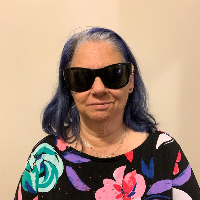
New York · 25 yrs exp
Practical, solution-focused counseling for lasting change
Stress, Anxiety · Trauma and abuse · Self esteem · Career · +15 more
Read profile
New York · 39 yrs exp
Experienced LCSW-R guiding practical change
Stress, Anxiety · Addictions · Relationship · Trauma and abuse · +14 more
Read profile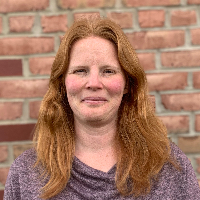
New York · 10 yrs exp
Warm relational therapist focused on practical steps
Relationship · Family · Trauma and abuse · Parenting · +16 more
Read profile
New York · 17 yrs exp
Compassionate psychologist focused on practical skills
Stress, Anxiety · Relationship · Family · Parenting · +12 more
Read profile
New York · 15 yrs exp
Experienced New York LMHC focused on practical care
Stress, Anxiety · Trauma and abuse · Anger · Self esteem · +16 more
Read profile
New York · 24 yrs exp
Practical, person-centered therapy for life change
Relationship · Family · Self esteem · Career · +13 more
Read profile
New York · 10 yrs exp
Sex-and-relationship focused therapist
Stress, Anxiety · Relationship · Family · Trauma and abuse · +11 more
Read profile
New York · 12 yrs exp
Psychodynamic therapist helping with relationship and intimacy issues
Stress, Anxiety · Relationship · Trauma and abuse · Self esteem · +15 more
Read profileWhen you seek help for intimacy or sexual health concerns you may be coping with emotional fallout as much as bodily symptoms. People commonly look for support with differences in desire, performance anxiety, feelings of shame, pain or discomfort during sex, and the impact of past experiences on current relationships. You might also want help communicating with a partner about needs and boundaries, or support managing stress and mood changes that affect your sex life. Therapists who list sexual dysfunction among their additional focus areas often note these topics on their profiles, but that listing simply indicates an area they mention and is not evidence of specialist certification or a particular clinical outcome.
If you are experiencing physical symptoms such as pain, unexpected bleeding, numbness or new onset difficulties, it is important to consult a medical professional to rule out or address medical causes. A visit with your doctor can complement psychological support and help you and a clinician decide if medical assessment or referral is needed before or during therapeutic work.
As you read profiles for New York, think about what matters most to you: symptom-focused strategies, exploration of relationship patterns, trauma-informed care, sensitivity to cultural identity, or language options. This will help you compare clinicians on the features that align with your goals.
The directory groups profiles under the listed location New York, which helps you find clinicians associated with that area. A listed location on a profile does not by itself prove that a clinician holds current permission to practice in every part of that state, or that they maintain an office address there. You should check an individual profile for details and confirm with the clinician whether they are permitted to work with you where you live. This is especially important if you live in a different state or country from the clinician listed.
Academic degrees such as PhD, PsyD, MD, MA or MSW are important markers of training and education, but a degree alone does not establish authorization to practice. In the United States, mental health professionals often hold licenses that specify their scope of practice in a state. In the United Kingdom and Australia, clinicians may list professional registration, regulatory registration, or membership in professional bodies - these terms differ from US licensing. When you reviewers profiles, look for clear statements about the clinician's current license, registration or membership and ask them directly about their permission to provide care where you are located.
Also remember that listing an approach on a profile does not confirm specific certification in that approach. Profiles may note that a clinician uses or offers certain modalities, so it is reasonable to ask how those approaches might apply to your situation and what experience the clinician has working with concerns like yours.
When you contact a clinician, having concrete questions will help you evaluate whether their approach and experience fit your needs. You can ask how they typically work with people who have low desire, with couples experiencing mismatch, with those facing performance anxiety, or with individuals reporting pain during sexual activity. Ask whether they have experience working with people who share your gender identity, sexual orientation, cultural background or relationship structure, and how they adapt their work to be inclusive and respectful of those identities.
Inquire about the interventions the clinician mentions on their profile by framing them as topics to discuss. For example, you might ask for examples of how therapists who list CBT among their approaches tend to address anxious thoughts about performance, or how therapists who list EMDR among their approaches integrate that work with sexual health concerns. Ask for a sense of session focus - whether the clinician emphasizes emotion and relationship patterns, skill-building and communication, body-awareness practices, or coordination with medical teams - and how they would tailor their approach to your goals.
It is also useful to clarify scope. You can ask whether the clinician works with individuals, couples, or families, and to describe typical boundaries of their practice. A listed topic does not establish that a clinician treats children, couples, or families, so discuss your needs and the clinician's actual scope directly. Asking for a brief description of relevant experience and typical steps for cases like yours will give you a clearer sense of fit.
If you are considering remote care, discuss practical and ethical aspects before beginning. Confirm whether the clinician has permission to provide care to people in the state or country where you live, and ask how they handle emergency situations if you are not in the same jurisdiction. Ask about the platform or technology they use, their expectations for how sessions will be conducted, and what they recommend if technology interruptions occur. You can also ask about policies on privacy and how your information will be handled, along with any steps you should take to ensure a comfortable setting for yourself during sessions.
Before starting work, talk about whether the clinician coordinates with medical providers when physical symptoms are present. If you are experiencing pain or other medical issues related to sexual health, ask how the clinician integrates medical referrals and whether they encourage you to seek or share medical evaluation. Clarify whether partner involvement is suggested for your concern - some issues can be addressed individually while others may benefit from joint sessions, but that choice depends on your goals and the clinician's practice style.
It is reasonable to ask practical questions about session length, communication norms between sessions, and how the clinician measures or revisits goals. These conversations set expectations and help you determine whether the clinician's style aligns with how you prefer to work.
When you compare profiles in New York, focus on concrete differences that matter to you. Look for clinicians who explicitly list work with the issues you face - for instance, desire differences, pain during sex, or relationship communication - and note how they describe that work. Pay attention to the languages in which they offer care; speaking your preferred language can reduce barriers and make it easier to discuss intimate topics. If you need cultural or identity-specific competence, check whether clinicians mention experience with LGBTQ+ communities, racial or ethnic identities, religious backgrounds, or relationship structures like polyamory, and ask for examples of that experience.
Examine credentials carefully and ask about both degrees and current permission to practice. A profile that lists a PhD, PsyD or MSW tells you about education, while a mention of a license, registration or professional membership tells you about professional oversight in a region. In the United States, ask which state license the clinician holds and whether it covers the jurisdiction where you live. For clinicians from the United Kingdom or Australia, ask about registration or membership details and how that relates to their ability to work with you. These distinctions help you confirm that a clinician has the legal authority to provide care in your location.
Finally, consider the clinician's tone and description of their style. Some clinicians emphasize direct skill-building and homework, others describe exploratory work focused on emotions and relationships, and others highlight coordination with medical providers. Think about whether you want a pragmatic, short-term focus or a deeper exploratory approach, and use profile language and your initial conversations to determine which style feels like the best match for you. Remember to confirm any questions you have directly with the clinician before beginning, including whether they are able to work with you where you live and whether they can address the specific intimacy or sexual health concerns you brought to the listing.
Attachment Issues
1486 therapists
Body Image
1323 therapists
Commitment Issues
1401 therapists
Communication Problems
1682 therapists
Coping with Life Changes
1488 therapists
Divorce
1564 therapists
Fertility Issues
751 therapists
Infidelity
1473 therapists
Relationship
1649 therapists
Self-Love
1641 therapists
Separation
1564 therapists