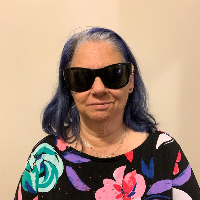
Cheryl Pacione, LMHC
Therapist in New York
Practical, solution-focused counseling for lasting change
Continue with CherylReview online therapy options on BetterHelp.
Experience
25+ years
Credentials
LMHC
Languages
English
Based in
New York
- Client-centered care
- Mindfulness informed
- Vocational support
About Cheryl
She uses practical, solution-focused work to find what helps now. Cheryl combines client-centered conversations with mindfulness and narrative techniques. Sessions aim to uncover patterns that get in the way and find small, doable steps toward change.
Cheryl often helps people who are coping with trauma, grief, or major life transitions. She also works with people affected by chronic illness, caregiving strain, ADHD, and attachment or abandonment issues. Her background includes service on a New York State committee for inclusion and diversity.
In therapy she focuses on building trust and clear goals. Cheryl listens, reflects what she hears, and then helps clients try new approaches between sessions. She can also assist with workplace concerns and understanding rights under the Americans with Disabilities Act.
Her style is direct and supportive. People who prefer a practical, conversational approach tend to find this helpful. To begin, readers should use the site Start Therapy flow to match and schedule with her according to availability.
How Cheryl's approaches work in online therapy
Cheryl commonly integrates client-centered therapy and mindfulness techniques in her work. Client-centered therapy focuses on listening closely and reflecting what matters to the person so they can discover their own solutions; it helps with self-esteem, relationship concerns, and making decisions. Mindfulness therapy teaches simple attention and breathing practices to reduce anxiety and stress and to improve sleeping and coping with strong emotions.Finding the right approach is part of the process. Cheryl collaborates with each person to choose methods that match their needs, goals, and preferences. She will check in about what helps and adjust the plan as therapy progresses so the work stays relevant and practical.
Confirm current session options before booking, as formats are not listed here. Online therapy can make it easier to fit sessions into a busy week, reduce travel time, and allow shorter check-ins when schedules are tight. It also lets people use mindfulness exercises between meetings and keep momentum on goals without changing their daily routine.
Areas of expertise
Primary focus
Also works with
Additional focus areas
Therapeutic approaches
License details
- LMHC · New York
- 000377
- NPI (National Provider Identifier)
- 1376270207
As listed on the therapist's professional profile. You can check these details with the relevant licensing board, professional body or registry.
Frequently asked questions
What kinds of concerns does Cheryl address?
She works with a broad range of issues including stress, anxiety, depression, addictions, intimacy-related issues, grief, trauma and abuse, and career or vocational concerns.
How would you describe her therapeutic style?
Her approach is solution-focused and client-centered, using mindfulness and narrative techniques to help people identify patterns and try practical changes.
How much clinical experience does she have?
She has 25 years of professional experience as a practicing clinician in mental health.
Where is she licensed and based?
She holds a New York Licensed Mental Health Counselor credential (NY LMHC) and is based in New York.
Which languages are supported in sessions?
Sessions are offered in English.
Can people outside the United States work with her?
International clients are not currently accepted.
How are fees handled and what is the cost?
Cost varies with location and therapist availability; sessions use a subscription model that can be canceled at any time.
What are the first steps to begin therapy?
Use the Start Therapy button, complete a short matching questionnaire, and schedule sessions based on the therapist's availability.
Some intimacy concerns have a physical side. If you notice pain or other physical symptoms, please speak with a doctor as well. Therapy can sit alongside medical care, not replace it.