
Kejuana Johnson
LPCGeorgia · 10 yrs exp
Renewed connection and practical steps
Stress, Anxiety · Grief · Self esteem · Depression · +10 more
Read profileAn independent therapist directory · United States, United Kingdom and Australia
Therapist listings are provided by BetterHelp. We will earn a commission at no additional cost to you if you use our links to purchase.
Use these Georgia profiles to compare therapists who list intimacy and sexual health concerns - view focus areas, approaches, credentials and languages. Browse profiles and check each listed location, then confirm permission to work together where you live before reaching out.
Georgia · 10 yrs exp
Renewed connection and practical steps
Stress, Anxiety · Grief · Self esteem · Depression · +10 more
Read profile
Georgia · 34 yrs exp
Compassionate, practical counseling for life changes
Stress, Anxiety · Addictions · Anger · Self esteem · +12 more
Read profile
Georgia · 25 yrs exp
Calm, experienced counselor for life transitions
Stress, Anxiety · Trauma and abuse · Grief · Self esteem · +13 more
Read profile
Georgia · 20 yrs exp
Compassionate therapist for life transitions
Stress, Anxiety · Relationship · Career · Depression · +13 more
Read profile
Georgia · 15 yrs exp
Relationship patterns and boundary work
Stress, Anxiety · Relationship · Family · Trauma and abuse · +16 more
Read profile
Georgia · 8 yrs exp
Insightful counselor focused on growth
Stress, Anxiety · Addictions · Trauma and abuse · Grief · +4 more
Read profile
Georgia · 30 yrs exp
Supportive LCSW for relationship and intimacy concerns
Stress, Anxiety · LGBT · Relationship · Intimacy-related issues · +1 more
Read profile
Georgia · 5 yrs exp
Compassionate therapist for life changes and relationships
Stress, Anxiety · LGBT · Relationship · Depression · +1 more
Read profile
Georgia · 41 yrs exp
Compassionate LCSW focused on relationships and intimacy
Addictions · Relationship · Family · Grief · +12 more
Read profile
Georgia · 20 yrs exp
Compassionate, practical therapy for relationship and life challenges
Stress, Anxiety · Addictions · Family · Anger · +13 more
Read profile
Georgia · 8 yrs exp
Compassionate counselor for intimacy and family
Family · Intimacy-related issues · Parenting · Self esteem · +11 more
Read profile
Georgia · 22 yrs exp
Experienced counselor focused on practical change
Stress, Anxiety · Addictions · Trauma and abuse · Parenting · +11 more
Read profile
Georgia · 7 yrs exp
Practical, grounded help for stress and mood concerns
Stress, Anxiety · Self esteem · Bipolar · Depression · +9 more
Read profile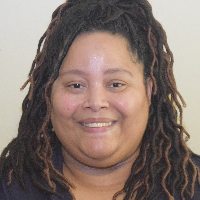
Georgia · 11 yrs exp
Compassionate counselor focused on practical change
Stress, Anxiety · Addictions · Relationship · Family · +12 more
Read profile
Georgia · 25 yrs exp
Compassionate counselor for relationship and intimacy concerns
Stress, Anxiety · Relationship · Grief · Intimacy-related issues · +11 more
Read profile
Georgia · 11 yrs exp
Compassionate, practical counseling in Georgia
Stress, Anxiety · LGBT · Relationship · Self esteem · +11 more
Read profile
Georgia · 20 yrs exp
Calm, practical support for intimate and life struggles
Stress, Anxiety · LGBT · Trauma and abuse · Self esteem · +8 more
Read profile
Georgia · 16 yrs exp
Compassionate practical therapy for everyday challenges
Stress, Anxiety · LGBT · Relationship · Depression · +15 more
Read profile
Georgia · 3 yrs exp
Compassionate counselor focused on real-life progress
Stress, Anxiety · Addictions · Relationship · Trauma and abuse · +16 more
Read profile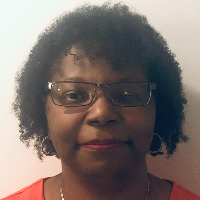
Georgia · 19 yrs exp
Compassionate counselor focused on practical change
Stress, Anxiety · Grief · Intimacy-related issues · Depression · +6 more
Read profile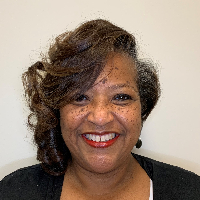
Georgia · 16 yrs exp
Helping people make practical, lasting change
Stress, Anxiety · LGBT · Relationship · Family · +14 more
Read profile
Georgia · 7 yrs exp
Compassionate counselor focused on practical change
Stress, Anxiety · Grief · Intimacy-related issues · Self esteem · +13 more
Read profile
Georgia · 23 yrs exp
Compassionate counselor focused on practical change
Stress, Anxiety · Addictions · LGBT · Trauma and abuse · +14 more
Read profile
Georgia · 10 yrs exp
Experienced LPC focused on practical change
Stress, Anxiety · Trauma and abuse · Self esteem · Depression · +14 more
Read profileIf you are searching for help with intimacy or sexual health in Georgia, you are likely facing concerns that touch physical sensation, desire, performance, pain or the emotional and relational context around sex. You might be navigating shifts in desire between partners, anxiety about performance, pain or discomfort during intimate activity, or the emotional fallout that can follow these challenges. You may also be coping with stress, body-image concerns, trauma history or relationship conflict that connects with your sexual well-being. These are valid reasons to look for a professional to discuss your goals, expectations and options.
When physical symptoms - such as pain with intercourse, changes in sensation, or sudden changes in sexual function - are present, it is sensible to consult a medical professional first to rule out or address physical causes. A doctor can assess medical factors and guide you about referrals. At the same time, many people find it helpful to explore the emotional and relationship sides of these issues with a therapist who lists intimacy or sexual health among their focus areas. Use your initial conversations to clarify whether a profile reflects experience with concerns like yours and to discuss how the therapist frames the work.
Profiles on this site are grouped by the listed location Georgia, which helps you see professionals who mention that area. A listed location does not guarantee a physical office in a particular city, nor does it tell you automatically whether a practitioner may legally work with you there. You should check the individual profile and ask the clinician directly to confirm permission to work together where you live. If you plan to meet in person, ask about any in-person office or private space. If you plan to meet online, ask about licensure or registration and whether that allows providing care across state or national borders.
The directory includes practitioners from the United States, the United Kingdom and Australia. In the United States, look for information about the specific professional license the clinician holds and the state that issued it. In the United Kingdom and Australia, profiles may note registration or membership with professional bodies - these are different systems from US licensing and are described on profiles in the terms those regions use. Academic degrees such as PhD, PsyD, MD, MA or MSW are important credentials, but a degree alone does not establish current permission to practice in a location. Degrees show training background; you should ask about current licensing, registration or membership that relates to where you live and the services you need.
When you contact a profile, prepare concrete questions that help you compare how each therapist approaches intimacy and sexual health. Ask what kinds of difficulties they commonly work with and how they describe the typical focus of early sessions. Instead of assuming a specific technique is used, ask whether they work with therapists who list certain approaches among their methods, such as cognitive-behavioral approaches, emotion-focused work, somatic-informed methods or relationship-focused interventions. Ask how they integrate attention to physical symptoms and whether they coordinate care with medical providers when appropriate.
It is also useful to ask about experience with populations or situations similar to yours. You might ask how they support people with desire differences, how they approach performance anxiety, or how they work with someone experiencing pain during intimacy. Ask what the therapist considers when deciding whether an issue is within their scope or when a medical or specialist referral is recommended. These direct questions help you compare profiles based on the clarity of answers and the degree to which a therapist's descriptions align with your needs.
If you plan to meet remotely or with a practitioner who lists Georgia but is based elsewhere, discuss practical and clinical limits up front. Confirm whether the clinician can legally provide care where you live and how they handle time zones, appointment scheduling and technology. Clarify how they manage urgent concerns, what resources they recommend if you need immediate medical attention, and whether they will coordinate with local health professionals when medical evaluation is needed. Ask about the format of sessions and any expectations for communication between appointments.
Talk about cultural and language needs so you can judge whether the style and language skills listed on a profile match your preferences. If a profile notes work with particular communities or identities, ask how that experience shapes their approach. You should also discuss what you want to get from the work and how the therapist measures whether the work is meeting your goals. These conversations help you decide which profiles feel most aligned with how you want to work and whether you need a clinician who will refer you to or collaborate with other local services.
When comparing profiles in Georgia, look for clear descriptions of focus areas and the language a therapist uses to describe their clinical style. Focus areas can show whether a therapist commonly addresses issues such as desire differences, performance anxiety, sexual pain, or relational impacts of sexual concerns. Profiles that list sexual dysfunction among additional focus areas indicate that clinicians include these topics in their work, but that listing alone is not evidence of specialist certification, a particular therapy method, diagnostic services, treatment outcomes or guaranteed suitability for your situation. Use the profile text to understand the kinds of clients they mention and the problems they describe addressing.
Languages listed on a profile matter if you prefer to talk in a language other than English or if cultural perspective is important to you. Look at degrees and the stated professional authorization - and remember to separate academic degrees from licensing or registration. A PhD, PsyD or MSW describes educational background while a license, registration or membership indicates professional oversight relevant to practice. Finally, consider the tone of a profile and any statements about session style - whether the clinician emphasizes evidence-informed approaches, relational exploration, or practical skill-building. These elements let you compare profiles in a way that fits your personal priorities and helps you plan the next step, which is to contact the clinician to confirm permission to work together where you live and to ask any final questions before making contact.
Attachment Issues
1486 therapists
Body Image
1323 therapists
Commitment Issues
1401 therapists
Communication Problems
1682 therapists
Coping with Life Changes
1488 therapists
Divorce
1564 therapists
Fertility Issues
751 therapists
Infidelity
1473 therapists
Relationship
1649 therapists
Self-Love
1641 therapists
Separation
1564 therapists