
Sarah Spiro
LCSWFlorida · 15 yrs exp
Relationship-focused LCSW helping with intimacy concerns
Relationship · Family · Intimacy-related issues · Coaching · +4 more
Read profileAn independent therapist directory · United States, United Kingdom and Australia
Therapist listings are provided by BetterHelp. We will earn a commission at no additional cost to you if you use our links to purchase.
Browse profiles of therapists listed in Florida to compare focus areas, therapeutic approaches, credentials and languages. Use the listings to find professionals whose experience and style match what you want to address.
When you find a profile that fits, review the details and contact the clinician to confirm they can work with you where you live before moving forward.
Florida · 15 yrs exp
Relationship-focused LCSW helping with intimacy concerns
Relationship · Family · Intimacy-related issues · Coaching · +4 more
Read profile
Florida · 20 yrs exp
Experienced Florida LMHC focused on practical change
Addictions · Relationship · Trauma and abuse · Parenting · +14 more
Read profile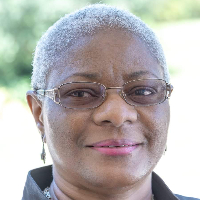
Florida · 19 yrs exp
Calm, client-centered counseling for life transitions
Stress, Anxiety · Family · Grief · Depression · +12 more
Read profile
Florida · 26 yrs exp
Compassionate counselor for intimate and emotional challenges
Stress, Anxiety · Addictions · LGBT · Intimacy-related issues · +1 more
Read profile
Florida · 10 yrs exp
Therapist focused on practical growth
Stress, Anxiety · Addictions · Relationship · Anger · +7 more
Read profile
Florida · 25 yrs exp
Warm, practical guidance for life challenges
Stress, Anxiety · Addictions · Trauma and abuse · Intimacy-related issues · +14 more
Read profile
Florida · 5 yrs exp
Compassionate, practical therapy for real-life challenges
Stress, Anxiety · LGBT · Trauma and abuse · Self esteem · +10 more
Read profile
Florida · 25 yrs exp
Compassionate counselor for relationship and intimacy concerns
Stress, Anxiety · Relationship · Intimacy-related issues · Depression
Read profile
Florida · 13 yrs exp
Experienced LMFT focused on relationships and intimacy
Relationship · Family · Trauma and abuse · Intimacy-related issues · +12 more
Read profile
Florida · 42 yrs exp
Experienced LCSW focused on personal growth
Stress, Anxiety · Addictions · Relationship · Trauma and abuse · +15 more
Read profile
Florida · 8 yrs exp
Compassionate, practical support for life challenges
Stress, Anxiety · Addictions · Trauma and abuse · Parenting · +14 more
Read profile
Florida · 35 yrs exp
Experienced Florida psychologist focused on relationships and recovery
Relationship · Trauma and abuse · Grief · Parenting · +13 more
Read profile
Florida · 7 yrs exp
Compassionate therapist focused on lasting relief
Stress, Anxiety · Addictions · Trauma and abuse · Depression · +12 more
Read profile
Florida · 11 yrs exp
Compassionate clinician for intimate and life challenges
Stress, Anxiety · Addictions · Relationship · Trauma and abuse · +14 more
Read profile
Florida · 12 yrs exp
Experienced LCSW focused on practical change
Stress, Anxiety · Relationship · Intimacy-related issues · Self esteem · +16 more
Read profile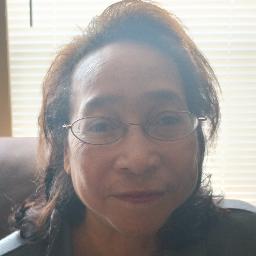
Florida · 7 yrs exp
Supportive LCSW helping with intimacy and stress
Addictions · Relationship · Self esteem · Career · +9 more
Read profile
Florida · 11 yrs exp
Compassionate therapist for intimacy and life changes
Addictions · LGBT · Trauma and abuse · Grief · +12 more
Read profile
Florida · 45 yrs exp
Compassionate, experienced counselor focused on practical change
Stress, Anxiety · Addictions · Relationship · Family · +6 more
Read profile
Florida · 20 yrs exp
Compassionate, practical therapy for everyday struggles
Stress, Anxiety · Intimacy-related issues · Self esteem · Compassion fatigue · +7 more
Read profile
Florida · 10 yrs exp
Compassionate counselor focused on practical change
Stress, Anxiety · Relationship · Parenting · Self esteem · +1 more
Read profile
Florida · 7 yrs exp
Trauma-informed LMHC helping adults regulate and recover
Stress, Anxiety · Trauma and abuse · Self esteem · Depression · +14 more
Read profile
Florida · 25 yrs exp
Seasoned LMHC helping with relationship and intimacy issues
Stress, Anxiety · Relationship · Grief · Intimacy-related issues · +1 more
Read profile
Florida · 5 yrs exp
Calm, practical therapy for life challenges
Stress, Anxiety · Addictions · Trauma and abuse · Depression · +1 more
Read profile
Florida · 20 yrs exp
Compassionate, practical support for life changes
Relationship · Family · Grief · Depression · +1 more
Read profileWhen you begin searching for help with intimacy or sexual health matters, it helps to name the primary issues you want to address. You might be looking for support with differences in desire between partners, performance anxiety, pain or discomfort during sexual activity, or the emotional and relational impacts that follow changes in sexual functioning. You may also be seeking help processing past experiences that affect current intimacy or wanting to rebuild connection after life transitions. Being specific about your goals will help you focus on profiles that mention those topics and will make conversations with potential therapists more productive.
If you are experiencing pain or new physical symptoms, it is appropriate to consult a medical doctor to rule out or treat medical causes before or while you explore therapy options. Therapy often addresses the psychological and relational aspects that accompany physical symptoms, but a medical assessment is important for physical care. As you review profiles, look for clinicians who explicitly mention comfort discussing the interplay of physical and emotional factors so you can coordinate care with other professionals if needed.
The fact that a profile appears under the Florida listed location does not automatically mean the clinician maintains an office in a particular city, that they are physically near you, or that they hold an active permission to practice in every part of Florida. Profiles group professionals by the location they list, but state and national rules about where someone may work vary. You should check each profile carefully and ask the clinician directly whether they are legally permitted to work with you where you live.
Degrees and titles on a profile - such as PhD, PsyD, MD, MA, or MSW - indicate academic achievement but do not by themselves guarantee current permission to practice. In the United States, look for mention of a current professional license that allows clinical work in a state, and ask about the license if it is not clear. In the United Kingdom and Australia, clinicians may list registration or membership with a professional body rather than a U.S.-style license. Those terms indicate different regulatory frameworks, so ask the clinician to explain what their credential means in their country and whether it authorizes clinical work for people in Florida if you are seeking services across borders.
When you contact someone whose profile seems like a potential fit, asking concrete questions will help you gauge compatibility. You can ask whether they have experience working with the specific challenge you described, for example low desire, desire discrepancy with a partner, performance-related worry, or pain during intimacy. Ask them to describe how they typically approach those problems and what kinds of issues they explore early on. Rather than assuming a particular therapy is used, you can ask whether they draw on particular approaches and what that looks like in practice. It is appropriate to inquire about therapists who list EMDR among their approaches or who mention sensate-focused, cognitive, or emotion-focused work, and to ask for an explanation of how that approach might be applied to your situation.
You can also ask about practice focus in contextual terms: how they consider relationship dynamics, cultural or identity factors, and medical intersections. Request examples of the kinds of goals they help clients set and how progress is evaluated in conversation rather than as a promise. If you have preferences around gender, sexual orientation, cultural background or language, bring those up and ask whether and how they incorporate those aspects into care. These questions help you compare profiles by the substance of the clinician's experience and by the way they describe their work.
If you are considering working remotely, discuss jurisdictional and practical matters up front. Ask whether the clinician is permitted to provide care to people living in Florida and what limitations - if any - apply. Clarify the platforms they use for remote sessions and what steps you and the clinician take to protect your privacy and data during online meetings. It is also reasonable to ask about procedures for addressing urgent concerns, how to reach the clinician between sessions if needed, and suggested steps if you are in immediate distress. These are practical safety and communication topics to have on the table before you begin.
Discussing expectations for session structure and how the clinician addresses relational issues is important if you are seeking help for a partnership concern. Ask whether the clinician typically meets with partners together or prefers individual sessions first, and how they decide which format will best suit your goals. Keep in mind that a listed focus area on a profile does not indicate the clinician treats children or families unless they explicitly state that scope. Always confirm the clinician's stated scope of practice and whether they work with the age range and relational context relevant to your needs.
When you compare profiles, read beyond headline phrases to the detail that clarifies how each clinician frames their work. Focus areas tell you the topics a clinician lists, but they do not by themselves indicate how much of their practice concentrates on a particular issue. If a profile lists sexual health or sexual dysfunction as an additional focus, that is a starting point for a conversation and is not evidence of specialist certification or a guarantee of specific services. You can ask clinicians to describe how frequently they work with the issue you are bringing and what a typical early session addresses.
Language is another important comparison point. If you are most comfortable speaking in a language other than English, search for profiles that list that language and ask about the clinician's experience working with cultural norms related to intimacy. Credentials should be read with context - academic degrees show training background while licenses, registrations or memberships indicate different forms of professional recognition depending on the country. Finally, therapeutic style - whether more directive, educational, exploratory or skills-based - affects fit. Ask clinicians to describe how they work with emotions, behavior and relationships so you can imagine what sessions might feel like and choose a profile that aligns with your preferences.
After you compare profiles and prepare questions, reach out to clinicians whose descriptions resonate with you. Use that initial contact to confirm permission to work together where you live, to ask the concrete questions described above, and to get a sense of whether the clinician's communication style matches what you need. Taking these steps can help you find someone who can collaborate with you on the intimacy or sexual health concerns you want to address.
Attachment Issues
1486 therapists
Body Image
1323 therapists
Commitment Issues
1401 therapists
Communication Problems
1682 therapists
Coping with Life Changes
1488 therapists
Divorce
1564 therapists
Fertility Issues
751 therapists
Infidelity
1473 therapists
Relationship
1649 therapists
Self-Love
1641 therapists
Separation
1564 therapists