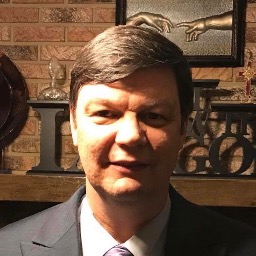
Michael Curry, LPC
Therapist in Louisiana
Compassionate counselor focused on practical growth
Continue with MichaelReview online therapy options on BetterHelp.
Experience
10+ years
Credentials
LPC
Languages
English
Based in
Louisiana
- Client-centered care
- CBT and mindfulness
- Relationship focus
About Michael
He draws on a mix of therapies to match each person’s needs. Sessions tend to focus on building coping skills, improving communication, and addressing patterns that get in the way of healthier relationships. Michael describes therapy as a shared journey where small, steady steps lead to better daily functioning and stronger resilience.
Michael’s background includes time in the military, ministry, and clinical settings such as mental health rehabilitation centers and a mental health hospital. That range of experience shaped his comfort with varied cultures and life circumstances. He also has experience providing spiritual-based counseling and work related to anger management.
In practice he uses client-centered techniques alongside Cognitive Behavioral Therapy and mindfulness strategies. He also integrates elements of the Gottman Method and existential ideas when they fit a client’s goals. These tools are applied in straightforward ways - practicing new behaviors, testing different thoughts, and learning calmer ways to respond.
People who choose him can expect a direct but compassionate style aimed at building hope, recovery, and resilience. He encourages clients to set clear goals and to track progress in ways that matter to their daily life.
Approaches Michael Uses and Online Options
Michael often draws on Client-Centered Therapy, which focuses on listening, empathy, and helping people set their own pace and goals. That approach is useful when someone needs space to reflect and to build confidence in their own choices.He also uses Cognitive Behavioral Therapy (CBT), a practical method that identifies unhelpful thoughts and tests new behaviors. CBT is commonly used for anxiety, depression, and coping skills that people can practice between sessions.
Mindfulness techniques are another tool he brings in to help people learn calmer ways of responding to stress and stronger attention to present-moment experience. These practices can support coping with anxiety, anger, and relationship challenges.
Finding the right mix of approaches is part of the process. Michael works collaboratively with each person to decide what to try first and to adjust methods over time based on goals and preferences. The plan evolves as progress is made and as new needs show up.
Practical benefits of online therapy include easier scheduling, fewer commute demands, and the ability to fit sessions into a busy week. Because the biography does not list specific session formats, confirm which options are available before booking. Online work can make it simpler to maintain continuity of care and to practice skills in everyday settings while still working directly with a licensed professional.
Areas of expertise
Primary focus
Also works with
Additional focus areas
Therapeutic approaches
License details
- LPC · Louisiana
- 7628
- NPI (National Provider Identifier)
- 1952771891
As listed on the therapist's professional profile. You can check these details with the relevant licensing board, professional body or registry.
Frequently asked questions
What concerns does he help with?
He supports people dealing with stress, anxiety, relationship and intimacy issues, depression, addictions, grief, self-esteem, ADHD, and many related concerns.
What is his therapy style like?
Sessions are practical and collaborative with a direct, compassionate tone. He focuses on skills, communication, and steps people can use between meetings.
How much experience does he have?
He has about 10 years of professional experience working in military, ministry, rehabilitation, and hospital settings.
What credentials and region are listed?
He holds the LPC credential (Licensed Professional Counselor) and practices in Louisiana.
In which language are sessions offered?
Sessions are offered in English and international clients are not currently accepted.
Which session formats are provided?
The original biography does not specify session formats, so confirm current session options before booking.
How are fees and payment handled?
Cost varies with location and therapist availability; sessions use a subscription that can be canceled at any time.
How do I begin working with him?
Use the Start Therapy button, complete a short matching questionnaire, and then schedule according to therapist availability.
Some intimacy concerns have a physical side. If you notice pain or other physical symptoms, please speak with a doctor as well. Therapy can sit alongside medical care, not replace it.