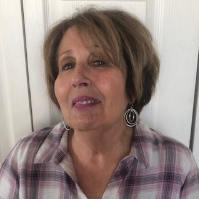
Linda Pollack
LPCArizona · 25 yrs exp
Experienced counselor focusing on practical change
Stress, Anxiety · Addictions · Relationship · Trauma and abuse · +11 more
Read profileAn independent therapist directory · United States, United Kingdom and Australia
Therapist listings are provided by BetterHelp. We will earn a commission at no additional cost to you if you use our links to purchase.
Compare profiles of professionals listed in Arizona who address intimacy and sexual health concerns. Browse individual listings to review focus areas, approaches, languages and credentials, and confirm on each profile whether the practitioner can work with you where you live.
Arizona · 25 yrs exp
Experienced counselor focusing on practical change
Stress, Anxiety · Addictions · Relationship · Trauma and abuse · +11 more
Read profile
Arizona · 8 yrs exp
Practical, compassionate therapy for everyday struggles
Addictions · LGBT · Trauma and abuse · Grief · +12 more
Read profile
Arizona · 10 yrs exp
Supportive Arizona counselor for practical change
Stress, Anxiety · Addictions · Grief · Self esteem · +1 more
Read profile
Arizona · 32 yrs exp
Therapist focused on practical emotional support
Stress, Anxiety · Relationship · Self esteem · Depression · +1 more
Read profile
Arizona · 10 yrs exp
Compassionate, skills-focused counseling
Stress, Anxiety · Addictions · Trauma and abuse · Self esteem · +10 more
Read profile
Arizona · 18 yrs exp
Experienced Arizona counselor focused on practical support
Stress, Anxiety · Relationship · Trauma and abuse · Grief · +1 more
Read profile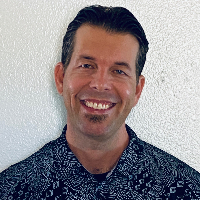
Arizona · 10 yrs exp
Compassionate, practical therapy for life changes
Stress, Anxiety · Relationship · Anger · Depression · +15 more
Read profile
Arizona · 18 yrs exp
Compassionate, experienced counselor for intimacy and life
LGBT · Family · Trauma and abuse · Grief · +13 more
Read profile
Arizona · 6 yrs exp
Practical, down-to-earth counseling for life changes
Stress, Anxiety · Relationship · Grief · Coping with life changes · +11 more
Read profile
Arizona · 25 yrs exp
Compassionate social worker focused on practical solutions
Stress, Anxiety · Trauma and abuse · Grief · Bipolar · +14 more
Read profile
Arizona · 4 yrs exp
Compassionate therapist for intimacy and identity
LGBT · Parenting · Stress, Anxiety · Relationship · +5 more
Read profile
Arizona · 7 yrs exp
Compassionate LPC helping people find practical change
Stress, Anxiety · Relationship · Family · Grief · +8 more
Read profile
Arizona · 7 yrs exp
Insightful counselor focused on practical change
Stress, Anxiety · Relationship · Family · Self esteem · +10 more
Read profile
Arizona · 17 yrs exp
Experienced LMFT focused on practical change
Stress, Anxiety · LGBT · Relationship · Family · +4 more
Read profile
Arizona · 5 yrs exp
Practical support for stress and trauma recovery
Stress, Anxiety · Trauma and abuse · Coping with life changes · Addictions · +1 more
Read profile
Arizona · 14 yrs exp
Support for stress, trauma, and relationships
Stress, Anxiety · Relationship · Trauma and abuse · Self esteem · +1 more
Read profile
Arizona · 7 yrs exp
Supportive Arizona LPC focused on practical change
Stress, Anxiety · Trauma and abuse · Grief · Anger · +1 more
Read profile
Arizona · 15 yrs exp
Psychologist offering thoughtful, long-term therapy
Stress, Anxiety · Relationship · Trauma and abuse · Self esteem · +1 more
Read profileWhen you begin looking for help with intimacy or sexual health concerns, you likely want someone who understands the experiences that brought you here. You may be dealing with differences in desire, anxiety around sexual performance, pain or discomfort during intimacy, or the emotional and relational fallout of these difficulties. Each of these concerns has emotional, relational and sometimes physical dimensions, so it helps to be clear about which parts are most important to you. If you have new or worsening physical symptoms, a primary care doctor or specialist should assess medical causes first, and you can bring those findings into therapy conversations.
As you read profiles, note how practitioners describe the kinds of issues they work with and how they talk about relationships, feelings and the body. Some profiles will emphasize the emotional and relational side of sexual health, while others will reference approaches that focus on thoughts, sensations or relational patterns. Keep in mind that a listed interest in sexual health or sexual dysfunction indicates a focus area on a profile, but it does not by itself demonstrate a particular certification or guarantee a specific treatment pathway. You can use that listing as a starting point for questions you want to ask later.
Profiles on this site are grouped under the listed location Arizona, but that grouping does not automatically mean a practitioner has an office in every city or that they hold a current permission to practice in every state. For practitioners based in the United States, look for clear information about licenses such as LPC, LCSW, LMFT, psychologist licenses and medical degrees, and verify those details directly on a profile or by contacting the practitioner. For professionals in the United Kingdom or Australia, you will more often see registration or membership in professional bodies rather than a single license title, so check how each profile describes that standing.
Academic degrees such as PhD, PsyD, MD, MA or MSW tell you about training and background, but a degree alone does not establish current permission to practice where you live. Profiles will often combine degree information with license or registration details. Because requirements and terminology vary across countries and regions, it is wise to confirm on an individual profile whether a practitioner is authorized to work with you in your jurisdiction. Also remember that the directory records that many practitioners list sexual dysfunction among their additional focus areas; that listing is not proof of a specialty credential or of specific clinical outcomes.
Before you reach out, prepare concrete questions that will help you compare practitioners. Ask whether the practitioner lists particular approaches among their methods, such as cognitive-behavioral strategies, emotion-focused work, psychodynamic perspectives, mindfulness or body-aware approaches. Phrase the inquiry so it reflects that these are options to discuss - for example, you could ask, "I see you list cognitive-behavioral approaches and mindfulness among your approaches - how do you typically apply those when someone comes with performance anxiety?" This keeps the conversation practical and focused on fit rather than assumptions about training.
It is also helpful to ask about experience with concerns similar to yours and with the populations you identify with. You can ask whether the practitioner regularly works with people experiencing desire differences, pain-related sexual difficulties, or relationship stress stemming from intimacy challenges, and whether they have experience supporting individuals, partners or both. If language or cultural factors matter to you, ask which languages they use in sessions and how they integrate cultural context into their work. These specific questions will give you clearer comparisons across profiles than general queries alone.
If you are considering care that is delivered online or in person, talk about practical and ethical aspects before beginning. Ask how they handle the technical side of remote sessions, what to expect if a connection drops, and how they manage documentation and records. Discuss boundaries and informed consent - what you should expect in terms of privacy practices and how personal information is handled. You should also clarify how medical concerns will be addressed; if physical pain or a medical condition may be involved, ask whether they typically coordinate with medical providers or recommend a referral.
Make sure to cover communication style and session planning early on. Some practitioners describe a more directive or skills-based approach, while others describe a reflective, exploratory style. You can request examples of topics commonly explored in early sessions, such as identifying patterns in desire, addressing anxiety symptoms, or working on relational communication. These conversations are about fit and clarity, not about guaranteeing a particular outcome, and they give you a sense of how a practitioner thinks about the work before you decide to proceed.
When you compare profiles within the Arizona listing, use consistent criteria so you can weigh options thoughtfully. Look at the stated focus areas to see whether they specifically mention the issues you face, and note any references to additional focus areas such as sexual dysfunction. Consider the approaches a practitioner lists as possible frameworks they draw on - remember to frame these as approaches to discuss rather than proof of training. Compare the degrees and the licensing or registration language on each profile, keeping in mind that degrees like PhD or MD describe academic attainment while licenses, registration or membership speak to professional standing in a jurisdiction.
Language and cultural competence can be decisive factors. If you prefer a practitioner who speaks a particular language or who signals experience with certain cultural backgrounds, give that substantial weight in your comparisons. Finally, assess the way each profile communicates style and rapport - whether the writing feels matter-of-fact, warm, clinical or relational - because this often reflects how a practitioner relates in session. After narrowing your list, visit each profile to confirm permission to work together where you live and to get contact details for next steps.
Searching for help with intimacy and sexual health in Arizona can feel personal and sometimes sensitive. Taking the time to compare profiles by focus areas, approaches, languages, academic credentials and professional standing will help you identify practitioners whose profile language matches your needs. Before beginning any care, confirm role titles, registration or licensing where relevant, and whether the practitioner is able to work with you in your jurisdiction. If you have medical symptoms, consult a healthcare provider as part of your pathway to support. Use the profiles as a starting point for conversations that clarify fit, scope and next steps in your care.
Attachment Issues
1486 therapists
Body Image
1323 therapists
Commitment Issues
1401 therapists
Communication Problems
1682 therapists
Coping with Life Changes
1488 therapists
Divorce
1564 therapists
Fertility Issues
751 therapists
Infidelity
1473 therapists
Relationship
1649 therapists
Self-Love
1641 therapists
Separation
1564 therapists