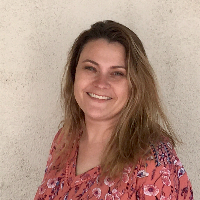
Laura Hazard, LPC
Therapist in Arizona
Practical, down-to-earth counseling for life changes
Continue with LauraReview online therapy options on BetterHelp.
Experience
6+ years
Credentials
LPC
Languages
English
Based in
Arizona
- Practical coping strategies
- Focus on self-awareness
- Collaborative goal setting
About Laura
How therapeutic approaches guide online work
Client-Centered Therapy focuses on listening and responding to each person without judgment. It helps people clarify what matters to them and decide on realistic next steps. Cognitive Behavioral Therapy (CBT) looks at the links between thoughts, feelings, and actions and gives simple, practical tools to test new behaviors and reduce distress. Mindfulness Therapy teaches paying attention on purpose to notice patterns and to respond more calmly to stressors.Finding the right approach is part of the work. The therapist will collaborate with the client to choose methods that fit their goals, needs, and rhythm. That may mean trying CBT techniques for sleep or anxiety and using client-centered conversation to shape longer term goals.
Confirm session options before booking since specific online formats are not listed in the biography. Online work can make it easier to fit therapy into a busy life, reduce travel time, and allow shorter check-ins when schedules are tight. Licensed professionals can adapt exercises, homework, and discussions to whatever session arrangement is agreed on, helping people apply what they practice in everyday situations.
Areas of expertise
Primary focus
Also works with
Additional focus areas
Therapeutic approaches
License details
- LPC · Missouri
- 2018016376
- LPC · Arizona
- LPC-20750
- NPI (National Provider Identifier)
- 1184217655
As listed on the therapist's professional profile. You can check these details with the relevant licensing board, professional body or registry.
Frequently asked questions
What kinds of concerns does this therapist address?
She helps people with stress, anxiety, depression, bipolar symptoms, grief, relationship strain, intimacy-related issues, addiction, trauma, sleeping problems, anger, self-esteem, career stress, and related family concerns.
What is the therapist's general style in sessions?
Sessions are collaborative and practical. Laura uses client-centered listening and cognitive behavioral ideas to break problems into smaller steps and build on strengths.
What experience does the therapist have?
She has six years as a Licensed Professional Counselor and prior experience working in behavior-focused roles, giving extra background with life transitions and compassion fatigue.
What credentials and region are listed for this therapist?
She is an LPC with licensure in Missouri and Arizona and is based in Arizona.
Which languages are offered and are international clients supported?
Sessions are offered in English. International clients are not currently accepted.
What session formats does the therapist provide?
Please confirm current session options before booking, as specific formats are not listed in the biography.
How are fees and payment handled?
Cost varies with location and therapist availability. Sessions use a subscription that can be canceled at any time.
How do I begin working with this therapist?
Use the Start Therapy button, complete a short matching questionnaire, and schedule according to the therapist's availability.
Some intimacy concerns have a physical side. If you notice pain or other physical symptoms, please speak with a doctor as well. Therapy can sit alongside medical care, not replace it.