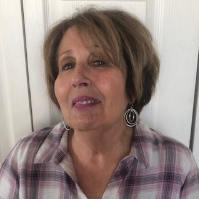
Linda Pollack, LPC
Therapist in Arizona
Experienced counselor focusing on practical change
Continue with LindaReview online therapy options on BetterHelp.
Experience
25+ years
Credentials
LPC
Languages
English
Based in
Arizona
- Strengths based
- Mindfulness focus
- Skill building
About Linda
She uses practical, down-to-earth methods in sessions. Conversations focus on what is happening now and on small steps that make life feel more manageable. She pays attention to how thoughts, behaviors, and habits affect mood and relationships. Mindfulness and skills practice are woven into talk therapy so people can try new ways of coping between sessions.
Linda has provided individual and group therapy with adults and adolescents across issues such as relapse prevention, anger management, domestic violence, and career planning. Her background includes helping people develop life management skills and working with co-occurring issues. The LPC credential stands for Licensed Professional Counselor and reflects her role as a licensed clinician in Arizona.
She emphasizes a respectful, nonjudgmental space in sessions. The goal is steady progress through realistic, achievable steps. Therapy often includes checking patterns, practicing new skills, and strengthening the relationship between thoughts, feelings, and actions.
Clients can expect straightforward guidance and tools to try outside of sessions. Linda describes the work as collaborative and focused on practical results for day-to-day life.
How these methods translate to online work
Linda uses Acceptance and Commitment Therapy and Cognitive Behavioral Therapy to guide online sessions. ACT focuses on clarifying values and taking small actions that fit those values, which can help with stress, anxiety, and motivation. CBT looks at the links between thoughts, feelings, and behaviors and teaches concrete skills for changing unhelpful patterns.She also draws on Mindfulness Therapy to teach simple attention and breathing practices. Those practices help reduce reactivity and make other coping skills easier to use. Together these approaches offer practical exercises and short experiments clients can try between sessions to see what helps.
Finding the right approach is part of the work. The therapist will collaborate with each person to choose methods that match their goals and lifestyle. Clients and therapist will check progress and adjust techniques over time so the plan stays useful.
Session formats are not specified in the biography, so confirm current options before booking. Online therapy can make it easier to fit sessions into busy schedules, support shorter check-ins when needed, and allow work on skills from everyday settings. Licensed professionals can help adapt exercises so they work well in an online conversation.
Areas of expertise
Primary focus
Also works with
Additional focus areas
Therapeutic approaches
License details
- LPC · Arizona
- LPC-10720
- NPI (National Provider Identifier)
- 1477952992
As listed on the therapist's professional profile. You can check these details with the relevant licensing board, professional body or registry.
Frequently asked questions
What kinds of concerns does she help with?
She works with stress, anxiety, addiction, depression, relationship and intimacy-related issues among other concerns listed in her profile.
What is her general approach in therapy?
She uses a multi-modal approach that blends talk therapy with skills practice, mindfulness, and behavior-focused work to build practical coping tools.
How much experience does she have?
She has 25 years of experience providing individual and group therapy in Arizona settings.
What credential does she hold and where is she based?
She is a Licensed Professional Counselor (LPC) practicing in Arizona.
Which languages are supported for sessions?
Sessions are offered in English.
Does she work with clients outside the United States?
She does not accept international clients at this time.
How are costs and billing handled?
Costs vary with location and therapist availability, and sessions use a subscription that can be canceled at any time.
What are the first steps to start therapy?
Select the Start Therapy button, complete a short matching questionnaire, and then schedule according to the therapist's availability.
Some intimacy concerns have a physical side. If you notice pain or other physical symptoms, please speak with a doctor as well. Therapy can sit alongside medical care, not replace it.