
Sandra "Sandy" Ramsey
LMHP, LPCNebraska · 35 yrs exp
Therapist focused on relationships and intimacy
LGBT · Relationship · Family · Intimacy-related issues · +6 more
Read profileAn independent therapist directory · United States, United Kingdom and Australia
Therapist listings are provided by BetterHelp. We will earn a commission at no additional cost to you if you use our links to purchase.
This page groups profiles under the listed location Nebraska so visitors can compare therapists who address intimacy and sexual health concerns. Profiles include information about focus areas, therapeutic approaches, credentials, languages, and experience. Browse the profiles below to identify professionals whose background aligns with the concerns you want to address.
Nebraska · 35 yrs exp
Therapist focused on relationships and intimacy
LGBT · Relationship · Family · Intimacy-related issues · +6 more
Read profile
Nebraska · 25 yrs exp
Practical, collaborative care for stress and trauma
Stress, Anxiety · Trauma and abuse · Anger · Self esteem · +1 more
Read profile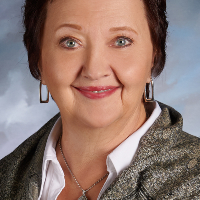
Nebraska · 36 yrs exp
Compassionate counselor for life transitions
Stress, Anxiety · Family · Grief · Intimacy-related issues · +12 more
Read profile
Nebraska · 15 yrs exp
Compassionate practical support for life changes
Stress, Anxiety · Family · Trauma and abuse · Depression · +11 more
Read profile
Nebraska · 10 yrs exp
Practical, goal-focused mental health care
Stress, Anxiety · Relationship · Intimacy-related issues · Self esteem · +13 more
Read profile
Nebraska · 10 yrs exp
Collaborative goal-focused counseling
Stress, Anxiety · Addictions · Relationship · Family · +14 more
Read profile
Nebraska · 6 yrs exp
Practical, collaborative support for sexual and relational concerns
Stress, Anxiety · Family · Trauma and abuse · Parenting · +15 more
Read profile
Nebraska · 17 yrs exp
Compassionate counselor focused on practical change
Addictions · Trauma and abuse · Self esteem · Depression · +14 more
Read profileWhen you begin looking for help with intimacy or sexual health, it's useful to name what is most pressing for you. People commonly look for support with desire differences, performance anxiety, difficulties with arousal or orgasm, pain or discomfort during sexual activity, and the emotional or relational fallout that can follow these experiences. You may also be seeking help for questions around sexual identity, navigating changes after medical events, or communication about needs and boundaries. Thinking through which of these areas feels most important will make it easier to compare profiles and to frame questions when you reach out.
If you notice physical symptoms such as pain, numbness, unusual discharge, or other bodily changes, consider arranging a medical check with a doctor to rule out underlying conditions. Therapy can help with emotional, relational, and behavioral aspects, while a clinician can evaluate and treat physical causes. Also keep in mind that a listing of sexual dysfunction among a therapist's focus areas is descriptive of what they list, and is not evidence of specialist certification or a particular clinical outcome.
The listed location Nebraska groups profiles that are associated with that place, but it does not guarantee an office address or imply a therapist is authorized to work with residents in every jurisdiction. You should check each individual profile and confirm that the therapist has permission to work together with people where they live. For professionals in the United States, confirm current state licensing information and the scope of practice allowed by that license. For professionals based in the United Kingdom or Australia, profiles may indicate registration, membership, or professional affiliation rather than a US-style license. Degrees such as PhD, PsyD, MD, MA, or MSW describe academic qualifications and are not the same as a license or registration. When comparing profiles, treat degrees and credentials as elements to discuss rather than definitive proof of what a clinician may or may not do.
When you contact a clinician, ask directly about the professional credential they hold and what that credential permits in your jurisdiction. A clear conversation about regulatory standing will help you understand whether the clinician can offer care to you in your location and within their professional scope.
Different clinicians describe their work using a range of approaches and theoretical language. You can ask how a clinician typically frames work related to your concerns and what kinds of conversations they find most helpful early on. Some profiles will list psychodynamic, cognitive-behavioral, mindfulness-based, sex-positive, or somatic approaches, and others may include that they incorporate relationship-focused or trauma-informed perspectives. A useful way to frame questions is to ask how these approaches would be applied to the specific issue you raised. For example, you might ask, "When you work with desire differences, how do you typically approach conversations about intimacy and change?" or "How do you support people who experience anxiety about performance without focusing on blame?"
It is also reasonable to ask about experience with populations who share your identity or life context. You can ask whether the clinician has experience working with people of similar gender identities, sexual orientations, cultural backgrounds, or relational structures. Asking about comfort and experience does not request proof of outcomes, but it will help you assess fit in terms of lived experience and cultural responsiveness.
If you are considering care that is delivered remotely, there are a few practical topics to clarify ahead of time. Ask where the clinician is authorized to offer care, and verify that they can work with you legally in your location. Discuss how records are stored, how messages are exchanged between appointments, and what the clinician's policies are around privacy and data handling. It is appropriate to request information about emergency protocols - for example, how urgent situations are handled and what steps the clinician recommends locally if you need immediate medical or crisis support. You should also ask how clinical concerns that have a medical dimension will be coordinated with a doctor's care when that applies.
Before beginning any form of remote work, you may want to have a short conversation to get a sense of communication style, expectations for how often you will connect, and what a clinician typically asks people to consider in their early sessions. These are not promises of outcomes or guarantees of specific methods; they are practical clarifications that help you make an informed choice about whom to contact.
As you review profiles, compare concrete details that matter to your situation. Start with the focus areas listed by each profile and note which ones align with your priorities. If sexual dysfunction is listed, use that as a prompt to ask what treating that concern generally involves for that clinician and what the clinician's typical starting points are. Check languages spoken if communicating in your preferred language is important to you. Look at academic degrees and professional registrations or licenses listed, and be prepared to ask about the differences between a degree and the regulatory credential that allows practice in your area.
Consider the therapist's described approach and the style language used in profiles. If a profile mentions relational work, narrative approaches, or a sex-positive orientation, ask for examples of the kinds of conversations and activities that commonly occur. You might ask, "How do you typically help couples or partners when they disagree about desire?" or "How do you support someone who wants to rebuild sexual confidence after medical treatment?" These kinds of specific questions give you clearer grounds for comparison than general impressions alone.
Finally, think about practical fit. Does the tone of the profile feel like a match for how you prefer to be spoken to? Do you want someone who is directive and skills-focused or someone who listens and helps unfold meaning over time? Reach out to one or more clinicians to discuss these points before committing to ongoing work, and remember to confirm that the clinician can legally and ethically work with you where you live. Making a careful comparison of focus areas, approaches, credentials, languages, and style will help you identify which profiles merit a conversation so you can find a better match for the concerns you brought to this page.
Attachment Issues
1486 therapists
Body Image
1323 therapists
Commitment Issues
1401 therapists
Communication Problems
1682 therapists
Coping with Life Changes
1488 therapists
Divorce
1564 therapists
Fertility Issues
751 therapists
Infidelity
1473 therapists
Relationship
1649 therapists
Self-Love
1641 therapists
Separation
1564 therapists