
Christina McGinn
LPCWisconsin · 15 yrs exp
Practical support for life’s difficult moments
Stress, Anxiety · Addictions · Relationship · Depression · +15 more
Read profileAn independent therapist directory · United States, United Kingdom and Australia
Therapist listings are provided by BetterHelp. We will earn a commission at no additional cost to you if you use our links to purchase.
In the Wisconsin listed location you can compare practitioner profiles by focus areas, therapeutic approaches, academic degrees, professional permissions and languages. Review each profile to confirm a practitioner's permission to work with you where you live. Browse the profiles below to begin exploring options for intimacy and sexual health concerns.
Wisconsin · 15 yrs exp
Practical support for life’s difficult moments
Stress, Anxiety · Addictions · Relationship · Depression · +15 more
Read profile
Wisconsin · 16 yrs exp
Compassionate guidance for life transitions
Stress, Anxiety · Grief · Self esteem · Depression · +12 more
Read profile
Wisconsin · 7 yrs exp
Compassionate, practical support for everyday struggles
Stress, Anxiety · Addictions · Family · Parenting · +1 more
Read profile
Wisconsin · 6 yrs exp
Practical, collaborative therapy for life challenges
Stress, Anxiety · Relationship · Trauma and abuse · Grief · +16 more
Read profile
Wisconsin · 15 yrs exp
Calm practical therapy for real-life struggles
Stress, Anxiety · Relationship · Grief · Depression · +12 more
Read profile
Wisconsin · 8 yrs exp
Relationship-focused counselor for intimacy and change
Relationship · Intimacy-related issues · Coping with life changes · Stress, Anxiety · +8 more
Read profile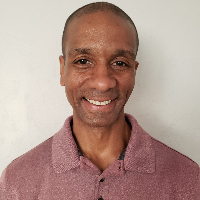
Wisconsin · 6 yrs exp
Compassionate counselor for life and intimacy concerns
Stress, Anxiety · LGBT · Family · Trauma and abuse · +13 more
Read profile
Wisconsin · 5 yrs exp
Relationship-focused therapist with practical strategies
Stress, Anxiety · Relationship · Intimacy-related issues · Self esteem · +8 more
Read profile
Wisconsin · 8 yrs exp
Compassionate Wisconsin social worker focused on change
Stress, Anxiety · Trauma and abuse · Self esteem · Depression · +16 more
Read profile
Wisconsin · 12 yrs exp
Sex-positive LCSW supporting sexual and relational health
Stress, Anxiety · LGBT · Relationship · Family · +4 more
Read profile
Wisconsin · 5 yrs exp
Compassionate, practical therapy for life changes
Stress, Anxiety · Relationship · Family · Trauma and abuse · +11 more
Read profile
Wisconsin · 20 yrs exp
Compassionate counselor for life transitions
Trauma and abuse · Parenting · Self esteem · Career · +14 more
Read profile
Wisconsin · 17 yrs exp
Compassionate counselor focused on relationships and wellbeing
Stress, Anxiety · LGBT · Relationship · Trauma and abuse · +16 more
Read profile
Wisconsin · 5 yrs exp
Compassionate counselor for relationship and intimacy concerns
LGBT · Relationship · Intimacy-related issues · Parenting · +9 more
Read profile
Wisconsin · 14 yrs exp
Dedicated Wisconsin counselor for life challenges
Stress, Anxiety · Addictions · Relationship · Family · +11 more
Read profile
Wisconsin · 8 yrs exp
Supportive counselor focused on practical change
Stress, Anxiety · Relationship · Trauma and abuse · Self esteem · +16 more
Read profile
Wisconsin · 11 yrs exp
Practical trauma-focused counseling with strengths-based care
Relationship · Trauma and abuse · Intimacy-related issues · Self esteem · +14 more
Read profile
Wisconsin · 10 yrs exp
Supportive therapist for intimacy and trauma concerns
Stress, Anxiety · LGBT · Trauma and abuse · Intimacy-related issues · +16 more
Read profile
Wisconsin · 10 yrs exp
Compassionate counselor focusing on relationships and stress
Stress, Anxiety · Relationship · Family · Trauma and abuse · +3 more
Read profile
Wisconsin · 26 yrs exp
Practical, compassionate therapy for life challenges
Trauma and abuse · Anger · Bipolar · Depression · +16 more
Read profile
Wisconsin · 13 yrs exp
Compassionate social worker for life and intimacy struggles
Stress, Anxiety · Addictions · Trauma and abuse · Grief · +10 more
Read profile
Wisconsin · 7 yrs exp
Compassionate, goal-focused support for everyday challenges
Stress, Anxiety · Self esteem · Depression · Coping with life changes · +13 more
Read profile
Wisconsin · 30 yrs exp
Experienced Wisconsin LCSW supporting life changes
Relationship · Family · Trauma and abuse · Grief · +1 more
Read profile
Wisconsin · 7 yrs exp
Practical support for stress and trauma recovery
Stress, Anxiety · Addictions · Trauma and abuse · Grief
Read profileWhen you search for help with intimacy or sexual health in Wisconsin, you may be thinking about a mix of emotional, relational and physical issues. People commonly look for support with differences in desire, performance anxiety, pain or discomfort during sex, changes after medical events, and the emotional fallout that can follow sexual challenges. It is important to know that conversations in this area often touch on feelings about self-image, trust, and communication with a partner, as well as any physical symptoms you might be experiencing. If you have pain, bleeding, numbness, changes in sensation, or any new or troubling physical sign, it is wise to discuss those symptoms with a medical doctor to rule out or address physiological causes before or while you pursue therapeutic support.
Profiles in this directory may list sexual dysfunction or related topics among their focus areas. That listing indicates the practitioner has chosen to note those concerns on their profile, but it is not evidence of a particular certification, medical service, or a guarantee of a specific outcome. You should look at profiles to see how practitioners describe their experience and approaches, and then follow up with questions that match your specific concerns. Conversations about sexual health can be sensitive, so finding a practitioner whose wording about focus and approach resonates with you can help set the tone for a collaborative process.
The Wisconsin listed location groups profiles linked to that geographic label, but it does not automatically prove an office address, physical proximity, or a current license to practice in your state. You should check the individual profile and confirm directly whether the practitioner is permitted to work with clients where you live and whether they hold the kinds of permissions required in your jurisdiction. In the United States that permission often appears as a license designation; in the United Kingdom and Australia practitioners may be registered or hold membership in relevant professional bodies. These terms are distinct - a degree such as PhD, PsyD, MD, MA or MSW is an academic credential and does not by itself indicate current permission to practice.
When reviewing profiles, pay attention to how a practitioner lists their academic degrees separately from any license, registration or membership. A profile might note that a person holds an MSW and is also a licensed social worker in a particular state, or that someone practices while being registered in another country. If license, registration or membership information is not clear on the profile, ask the practitioner how they are permitted to work with clients in Wisconsin or in your country. Confirming this early avoids misunderstandings about professional authority and legal jurisdiction.
You will get the most from profiles when you use them to form targeted questions. Ask how a practitioner typically frames work on desire differences, for example whether they focus on relationship patterns, individual psychology, or practical behavioral strategies. If pain or discomfort is part of your concern, ask how they coordinate with medical providers and whether they recommend an initial medical evaluation. For performance anxiety or concerns about sexual function, you might ask about the kinds of emotional and relational factors they address, and whether they have experience working with similar presentations.
It is helpful to ask about the range of approaches a practitioner uses while remembering that a profile note about an approach is not proof of a specific training or certification. You can ask, for example, whether the practitioner commonly integrates psychoeducation, mindfulness practices, couples communication work, or what kinds of referrals they make when a medical or specialized intervention is needed. Concrete questions about experience with particular issues - such as working with people after surgery, with hormonal changes, or with shifting desire over time - will give you a clearer sense of fit than asking for general reassurances. Also ask whether they work with individuals, couples, or both, because a listed topic does not establish the population a practitioner treats.
If you are considering care delivered remotely, there are specific topics to address before beginning. Confirm the practitioner is permitted to offer services to people in Wisconsin or in your location, and clarify which laws and professional rules will govern the work. Ask how they protect your privacy and what measures they use to store records and handle communications. You should inquire about how they manage emergencies or urgent safety concerns when care is provided remotely, including what steps they would take if you need immediate medical or crisis help.
Discuss practical matters as well, such as the expected format of sessions and how you will handle any technical interruptions. If you have concerns about being seen or overheard in your home, talk about solutions for creating a comfortable environment during sessions, including the option of finding a private space outside the home for calls if that is feasible. Be sure to discuss how the practitioner coordinates care with other providers, especially if you are seeing a doctor for physical symptoms related to sexual health. Clear conversation about these topics can help set expectations and protect your well-being throughout the course of care.
When you compare Wisconsin profiles, look beyond single words to the way a practitioner describes their focus and style. Some profiles will emphasize a relational orientation, others may highlight work with body-focused concerns or with the emotional effects of sexual difficulties. Language offerings are important if you prefer to speak in a language other than English, so check which languages a practitioner lists and how they describe their cultural competence. Academic degrees and stated permissions offer context, but remember to separate degree titles from licensing or registration status and to confirm permission to work where you live.
Style matters as much as technical language - some practitioners describe a direct, structured approach while others emphasize exploratory or supportive styles. Think about what feels most likely to help you engage comfortably. You might prepare a short set of comparison questions for two or three profiles, such as asking how they define progress, how they involve partners if at all, and how they coordinate with medical care. These concrete questions will let you weigh profiles on practical criteria that matter to your situation rather than on marketing language. After you compare, reach out to the profiles that seem most aligned with your needs and confirm permission to work together where you live before moving forward.
Choosing a practitioner for intimacy or sexual health concerns is a personal process. Use the Wisconsin listed location and the details on each profile to form clear questions that match your needs, confirm the practitioner’s permission to practice in your area, and discuss how they handle the clinical, practical and safety aspects of care. When physical symptoms are involved, include a medical check with a doctor as part of your plan. Browse the profiles to start narrowing options and prepare the specific questions that matter to you.
Attachment Issues
1486 therapists
Body Image
1323 therapists
Commitment Issues
1401 therapists
Communication Problems
1682 therapists
Coping with Life Changes
1488 therapists
Divorce
1564 therapists
Fertility Issues
751 therapists
Infidelity
1473 therapists
Relationship
1649 therapists
Self-Love
1641 therapists
Separation
1564 therapists