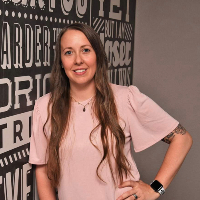
Tiffany Thornton, LPC
Therapist in Wisconsin
Relationship-focused counselor for intimacy and change
Continue with TiffanyReview online therapy options on BetterHelp.
Experience
8+ years
Credentials
LPC
Languages
English
Based in
Wisconsin
- Relationship support
- Sexuality and kink
- Attachment work
About Tiffany
She helps people talk through anxiety, depression, grief, and issues tied to family of origin. She also supports those coping with trauma, attachment wounds, and struggles around sexuality including BDSM, kink, and alternative sex culture. Tiffany lists LGBT concerns and relationship challenges such as infidelity, communication problems, and divorce among her focus areas.
Her approach mixes Attachment-Based Therapy, Client-Centered Therapy, Cognitive Behavioral Therapy (CBT), Emotionally-Focused Therapy (EFT), and Existential Therapy. In practice this looks like listening first, clarifying what matters to the person, and then using practical tools to change unhelpful patterns.
Tiffany has completed Level 1 of the Gottman Method of couples therapy and enjoys helping partners become more in tune with themselves and each other. She describes herself as an ally to the LGBT community and aims to affirm identities while educating others.
She trained in psychology and mental health counseling through online degree programs and is currently pursuing a Ph.D. in Advanced Studies in Human Behavior. Tiffany is based in Wisconsin and works with people from diverse backgrounds.
How therapeutic approaches guide online work
Attachment-Based Therapy focuses on how early bonds shape current relationships and patterns. It helps people notice how they react to closeness and distance and learn different ways to connect. Cognitive Behavioral Therapy (CBT) looks at how thoughts, feelings, and behaviors influence one another and offers concrete tools to shift unhelpful cycles. Emotionally-Focused Therapy (EFT) helps partners and individuals identify core emotions and change interaction patterns that keep pain alive.Finding the right approach is part of the work. Tiffany will collaborate with each person to identify goals and try methods that fit those goals. That may mean using attachment ideas to improve trust, CBT tools to reduce anxiety, or EFT techniques to repair a relationship. The plan can change as needs become clearer.
The practical upside of online care is that therapy can fit into busy days and varied schedules. Confirm which session formats are available before booking since the biography does not list formats. Online sessions can make it easier to meet without commuting, allow shorter check-ins when time is tight, or avoid needing to be on camera when that feels better. Licensed professionals can adapt these approaches to work effectively in remote sessions while focusing on the client’s goals and everyday life.
Areas of expertise
Primary focus
Also works with
Additional focus areas
Therapeutic approaches
License details
- LPC · Wisconsin
- 7174-125
- NPI (National Provider Identifier)
- 1982149399
As listed on the therapist's professional profile. You can check these details with the relevant licensing board, professional body or registry.
Frequently asked questions
What kinds of concerns does Tiffany address?
She works with relationship and intimacy issues, stress, anxiety, depression, grief, trauma and abuse, eating and self-esteem concerns, and a range of family and parenting topics. Additional focuses include attachment wounds, abandonment, infidelity, jealousy, and challenges related to BDSM and alternative sex culture.
How would you describe her therapeutic style?
Tiffany uses a mix of Attachment-Based Therapy, Client-Centered Therapy, CBT, EFT, and Existential Therapy. Her style emphasizes listening, clarifying values, and offering practical steps people can try between sessions.
What is her background and experience?
She has eight years of clinical experience and brings personal experience with blended family life and balancing multiple roles. She completed a masters in mental health counseling and is pursuing a Ph.D. in Advanced Studies in Human Behavior.
Where is she licensed and located?
Tiffany holds the LPC credential and is based in Wisconsin.
Which languages and international options are supported?
Sessions are offered in English and she accepts international clients.
What session formats are offered?
The original biography does not specify session formats, so confirm current session options before booking to know whether sessions are in person, video, or phone.
How is pricing handled?
Cost varies with location and therapist availability, and sessions use a subscription that can be canceled at any time.
How do I start a therapy relationship?
Select the Start Therapy button, complete a short matching questionnaire, and schedule according to the therapist's availability.
Some intimacy concerns have a physical side. If you notice pain or other physical symptoms, please speak with a doctor as well. Therapy can sit alongside medical care, not replace it.