
Jeremy Barbagallo
LPCConnecticut · 25 yrs exp
Seasoned counselor offering steady, practical support
Stress, Anxiety · Relationship · Self esteem · Depression · +1 more
Read profileAn independent therapist directory · United States, United Kingdom and Australia
Therapist listings are provided by BetterHelp. We will earn a commission at no additional cost to you if you use our links to purchase.
Browse profiles listed for Connecticut to compare clinicians who work with intimacy and sexual health concerns. You can review focus areas, approaches, languages and listed credentials to help narrow your search.
Use the profiles below to learn about professionals who list these concerns and then open individual profiles to confirm their scope and permission to work with you where you live.
Connecticut · 25 yrs exp
Seasoned counselor offering steady, practical support
Stress, Anxiety · Relationship · Self esteem · Depression · +1 more
Read profile
Connecticut · 48 yrs exp
Experienced LCSW helping people navigate change
Relationship · Family · Trauma and abuse · Parenting · +14 more
Read profile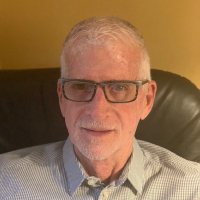
Connecticut · 20 yrs exp
Practical, goal-focused therapy for adults
Addictions · LGBT · Self esteem · Coping with life changes · +9 more
Read profile
Connecticut · 22 yrs exp
Compassionate, practical therapy for real-life struggles
Stress, Anxiety · Family · Trauma and abuse · Depression · +14 more
Read profile
Connecticut · 10 yrs exp
Practical, nonjudgmental therapy for everyday struggles
Stress, Anxiety · Addictions · Grief · Self esteem · +11 more
Read profile
Connecticut · 5 yrs exp
Practical psychodynamic care focused on needs
Family · Trauma and abuse · Eating · Depression · +1 more
Read profile
Connecticut · 7 yrs exp
Focused change with practical guidance
Addictions · Trauma and abuse · Intimacy-related issues · Career · +1 more
Read profileWhen you seek help for intimacy or sexual health concerns you may be trying to address differences in desire, performance anxiety, pain or discomfort during sex, or the emotional and relationship consequences of these issues. You might also be navigating life transitions - such as changes in health, medication, pregnancy or aging - that affect how you experience intimacy. Many people find that the most distressing parts are not only physical sensations but also the stress, shame, fear or loss of connection that can accompany sexual difficulties.
If you are noticing physical symptoms such as persistent pain, numbness, unusual bleeding, or new physical changes, it is a good idea to consult a medical provider to rule out underlying causes and to discuss appropriate medical evaluation. Talking with a clinician listed here can help you address the interpersonal, psychological and relational aspects, but medical input is important when physical symptoms are present. As you read profiles, look for language about the types of concerns a clinician lists so you can compare whether their stated focus aligns with what you want to work on.
A listed location on a profile groups professionals associated with Connecticut, but it does not by itself prove there is an in-person office near you or that a clinician is permitted to practice in every setting. Profiles reflect information supplied by each professional and may include the city or region in Connecticut where they work. Before you move forward, check the individual profile carefully and confirm directly with the clinician that they can legally and ethically work with you where you live, whether you are seeking in-person care or online support across state or national lines.
You should also consider how location affects possible coordination with other local services. If you want referrals to medical specialists, pelvic health practitioners, or community resources in Connecticut, ask whether the clinician has local referral relationships. If you are outside Connecticut but reviewing Connecticut profiles, make sure to verify any cross-jurisdictional practice rules that might apply to online care and to confirm permission to work together in your location.
Profiles often list academic degrees such as PhD, PsyD, MD, MA or MSW. Those degrees describe educational attainment, but a degree alone does not establish a clinician's current permission to practice in a particular place. In the United States, clinicians typically hold state licensure or certification that indicates they meet regulatory requirements to provide mental health services in that state. In the United Kingdom and Australia, professionals may list registration, membership in a professional body, or other recognized credentials that describe their standing in those countries. Registration or membership is not the same as US state licensure and may follow different rules for scope of practice.
When you compare profiles, look for how a clinician describes both degrees and any regulatory credentials. Ask whether those credentials are current and applicable to the setting you are in. If a clinician lists experience working with sexual health topics, remember that such listings indicate areas they say they focus on, not an external certification in sex therapy. Confirming credentials, asking about ongoing professional oversight, and clarifying what a clinician's degree permits them to do will give you a clearer picture of whether a profile matches your needs.
When you contact a clinician or review a profile, concrete questions help you compare approaches and experience. You might ask how long they have worked with issues similar to yours, what types of concerns they most often address, and what populations they commonly support. If a profile lists particular approaches, you can ask what it looks like when they use those approaches in practice and how they adapt methods for relationship concerns, desire differences or pain-related issues. Phrase questions to reflect that a clinician has listed certain approaches - for example, you could say "I see you list EMDR among your approaches; how do you integrate that when people come with sexual health concerns?" rather than assuming specific training credentials.
Also ask how the clinician typically collaborates with medical providers when physical factors may be involved, and whether they make referrals to pelvic health specialists, physicians or other resources. Clarify what the clinician means by experience with sexual dysfunction or intimacy issues, whether they work with individuals, couples, or a range of relationship structures, and how they describe their therapeutic style - more directive, more exploratory, or a blend. These concrete comparisons will help you see which profiles reflect the kind of working relationship you prefer.
If you are considering online care, discuss technology, communication preferences, and logistical details upfront. Ask how the clinician handles privacy practices, record keeping, and what to expect if an urgent concern arises between sessions. Since rules about practicing across state or national lines vary, confirm that the clinician has permission to work with you where you live and discuss any limitations related to cross-jurisdictional care. You should also ask about the clinician's typical approach to safety planning or crisis resources, and whether they coordinate with local medical services when necessary.
To compare profiles by focus areas, languages, credentials and style, read how each clinician describes their population served and the specific intimacy topics they list. Note whether a profile mentions working with desire differences, performance anxiety, pain during sex, or the relational fallout from sexual difficulties. Look for language about the clinician's cultural competence and the languages they offer. Consider the combination of academic degrees, regulatory credentials, and the way a clinician explains their approach - for example, therapists who list cognitive behavioral approaches may describe structured conversations about thoughts and behaviors, while those who list somatic or relational approaches may emphasize body awareness or communication patterns. Remember that listings are a starting point; follow up with the individual profile and a direct conversation to confirm scope of practice, current credentials, and permission to work with you in your location. That step will help you make a more informed choice about who to contact for the next stage of support.
Attachment Issues
1486 therapists
Body Image
1323 therapists
Commitment Issues
1401 therapists
Communication Problems
1682 therapists
Coping with Life Changes
1488 therapists
Divorce
1564 therapists
Fertility Issues
751 therapists
Infidelity
1473 therapists
Relationship
1649 therapists
Self-Love
1641 therapists
Separation
1564 therapists