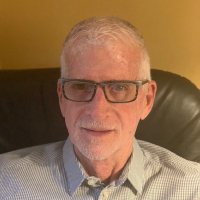
Kevin Farrell, LCSW
Therapist in Connecticut
Practical, goal-focused therapy for adults
Continue with KevinReview online therapy options on BetterHelp.
Experience
20+ years
Credentials
LCSW
Languages
English
Based in
Connecticut
- 20 years experience
- Client-centered care
- Connecticut based
About Kevin
Kevin left a career in media and returned to school in his mid-30s to earn a Master’s in Social Work. That change shaped his focus on meaningful, down-to-earth help. He draws on a broad set of therapeutic ideas rather than one single method.
In sessions he treats therapy as a partnership. He works with each person to set concrete goals and checks in often to see what is and isn’t working. He favors solution-focused moves that strengthen coping and problem-solving skills for everyday life.
Some people bring trauma, grief, bipolar or ADHD concerns to therapy, and others seek help with midlife changes, career stress, or sexual and intimacy issues. He also lists experience with topics such as gender dysphoria, HIV/AIDS, and alternative sex culture as areas he is familiar with.
Kevin uses ideas from psychodynamic therapy, cognitive behavioral therapy, existential approaches, and client-centered work. He aims for a respectful, nonjudgmental tone so people can talk honestly. To begin, visitors follow the site’s matching steps and schedule a first appointment based on availability.
How Kevin’s Approaches Translate to Online Therapy
Client-centered work focuses on the relationship and what matters most to the person. It involves listening closely and shaping sessions around each person’s goals and preferences. This approach helps when someone needs a respectful, nonjudgmental space to talk about sensitive topics.Cognitive Behavioral Therapy, or CBT, looks at how thoughts, feelings, and actions interact. It uses practical exercises and skill-building to reduce anxiety, manage mood, and improve coping with stress and everyday problems. CBT is useful for issues like depression, anxiety, and compulsive behaviors.
Psychodynamic-informed work pays attention to patterns that repeat over time and how past experiences influence current choices. It can help people understand longstanding relationship or identity struggles and make different choices going forward.
Choosing the right approach is a collaborative process. The therapist will work with each person to identify goals, try techniques, and adjust methods based on what helps. Clients often blend elements from different approaches as they progress.
Session format details were not specified in the biography, so confirm the available options before booking. Online work can make it easier to fit sessions into a busy week, reduce travel time, and allow shorter check-ins when schedules are tight. It also lets people try therapy without changing their daily routines, and the therapist will help tailor the pace and tools to fit real-life needs.
Areas of expertise
Primary focus
Also works with
Additional focus areas
Therapeutic approaches
License details
- LCSW · California
- 22616
- LCSW · Connecticut
- 13583
- NPI (National Provider Identifier)
- 1598035834
As listed on the therapist's professional profile. You can check these details with the relevant licensing board, professional body or registry.
Frequently asked questions
What kinds of concerns does Kevin address?
Kevin lists support for a wide range of adult concerns including anxiety, depression, addictions, intimacy-related issues, relationship challenges, trauma and grief, bipolar disorder, ADHD, and stress from life changes.
How would you describe his therapeutic style?
He treats therapy as a partnership and uses practical, solution-focused steps. Sessions emphasize goal-setting, ongoing feedback, and skills to improve coping and problem-solving.
What is his professional background?
He spent an earlier career in media and returned to school in his mid-30s to earn a Master’s in Social Work, followed by about 20 years of clinical practice as a psychotherapist.
Which credentials and location are listed?
He holds the LCSW credential and is associated with Connecticut for practice. Specific license numbers or contact details are not provided here.
Does he offer sessions in other languages or internationally?
Sessions are offered in English. He is not currently accepting international clients.
What session formats are available?
The original biography does not specify session formats; please confirm current session options before booking through the site.
How is cost handled for sessions?
Cost varies by location and therapist availability and uses a subscription that can be canceled at any time.
How do I begin working with him?
Start by selecting the Start Therapy button, complete the short matching questionnaire, and then schedule sessions according to the therapist’s availability.
Some intimacy concerns have a physical side. If you notice pain or other physical symptoms, please speak with a doctor as well. Therapy can sit alongside medical care, not replace it.