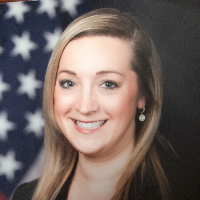
Brittany Bordonaro
LICSWDistrict of Columbia · 15 yrs exp
Experienced LICSW focused on relationships and healing
Relationship · Family · Trauma and abuse · Self esteem · +12 more
Read profileAn independent therapist directory · United States, United Kingdom and Australia
Therapist listings are provided by BetterHelp. We will earn a commission at no additional cost to you if you use our links to purchase.
Browse profiles for therapists listed in the District of Columbia who identify intimacy and sexual health concerns among their focus areas. Compare focus areas, approaches, languages and credentials to find profiles that may match what you are seeking, then browse profiles to learn more.
District of Columbia · 15 yrs exp
Experienced LICSW focused on relationships and healing
Relationship · Family · Trauma and abuse · Self esteem · +12 more
Read profile
District of Columbia · 6 yrs exp
Practical support for stress and intimacy issues
Stress, Anxiety · Depression · Coping with life changes · LGBT · +13 more
Read profileWhen you begin looking for help with intimacy or sexual health challenges, it helps to be specific about what you want to address. You may be focused on emotional barriers such as desire differences, anxiety around performance, or the relationship fallout of sexual difficulties. You may be dealing with physical symptoms like pain or reduced sensation, or with questions about identity and expression. Clarifying whether your primary concern is physical, emotional, relational, or some combination will help you read profiles with purpose.
Keep in mind that physical symptoms often benefit from a medical evaluation, so you should consider discussing any pain, bleeding, or sudden changes with your doctor first. Therapy can explore the emotional and relational aspects alongside a medical assessment. As you review profiles, look for how clinicians describe the populations they work with, the focus areas they list, and the language they use to describe sexual health. Profiles are a starting point; you should confirm details directly with the clinician whose profile feels like a potential fit.
The directory groups professionals under a listed location of District of Columbia, but that is not proof of an office address or that a clinician currently practices in that jurisdiction. When you find a profile you are interested in, check the individual profile and ask the clinician to confirm whether they are permitted to work with you where you live. This is especially important if you are considering remote care that crosses city, state, or national lines.
Degrees and professional permission to practice are different. Academic degrees such as PhD, PsyD, MD, MA, or MSW indicate formal education. They do not by themselves establish that a clinician has the legal authorization to practice in a particular place. In the United States clinicians typically hold a state professional license that indicates permission to provide therapeutic services. In the United Kingdom clinicians may hold registration or membership with national bodies, and in Australia clinicians may be registered with national boards or hold professional memberships. Profiles may list degrees, registrations, memberships, or licenses; read those entries carefully and ask about the current status of any credential you consider important.
Profiles often list therapeutic approaches and focus areas, but that information is a prompt for conversation rather than a guarantee of a specific method. When you contact a clinician, ask concrete questions that help you compare how they work. You can ask how they typically help people who describe your concern, which therapeutic approaches they list among their methods, and how they decide which approach to use with a particular person or couple. Phrase your questions to learn whether they list cognitive-behavioral approaches, psychodynamic perspectives, sex-positive frameworks, or relational models among their approaches rather than assuming they use any one method.
Ask about the clinician’s experience with issues similar to yours, including whether they have worked with people across different ages, genders, sexual orientations, and relationship structures. If you have particular needs - for example, a disability-related concern, a cultural or language preference, or a desire for clinicians who understand certain faith backgrounds - include those topics early in the conversation. Also clarify practical matters that affect scope: whether they routinely work with individuals, with partners, or with families, and whether the focus areas they list include the specific issues you want to address. Remember that a listed focus area does not by itself indicate training or certification in a modality; it indicates an area the clinician has identified as part of their profile.
If you are considering remote care, there are specific points to cover before you begin. Confirm that the clinician is permitted to provide services to people located in your state or country and ask how they handle jurisdictional requirements. Discuss technology needs so you understand which platforms or communication methods they use, whether they provide guidance to help you set up a good environment, and what to expect if a session is disrupted by technical problems. You should also ask about privacy safeguards they employ and how they handle records and notes, so you feel comfortable with how personal information is managed.
It is also important to talk about safety planning and local resources. Ask how the clinician manages situations that require urgent help and whether they can share emergency contacts or crisis resources in your area. Because clinicians in this directory may be based in different countries, verify language options, time zone considerations, and any other logistical details that matter to you. Finally, discuss how you will know that the clinician’s approach is working for you and what the next steps are if you want to change direction or try a different professional.
Comparing profiles effectively means looking for differences that matter to you. Focus areas tell you what topics the clinician highlights; read those descriptions and think about how closely they match your main concern. Language options are important if you feel more comfortable speaking in a language other than English or if you want a clinician who can speak about cultural nuances directly. Credentials and degrees show educational background and may list licenses or registrations; use those entries to ask precise questions about permission to practice where you are located.
Style is often the least explicit item on a profile, but you can infer tone from the language used. Some clinicians describe their work as exploratory and reflective, others emphasize practical skills and tools, and some explicitly state a sex-positive or affirming stance. If style matters to you, bring it up in an initial conversation and ask for examples of how they might work with your concern. When profiles list approaches such as emotion-focused work, cognitive-behavioral strategies, or systemic perspectives, remember to ask the clinician how they integrate those options into a personalized plan rather than assuming they follow a fixed protocol. Above all, check the individual profile details and confirm with the clinician that they have permission to work together with you where you live and that their listed focus areas align with the support you are seeking.
Finding help for intimacy and sexual health concerns in the District of Columbia starts with clear questions and careful reading of profiles. Use the information you find as a springboard for conversation, and prioritize clinicians whose written descriptions and responses match your needs and values. When in doubt, ask directly about scope, credentials, and the practical details that matter to you - those conversations will help you make an informed choice.
Attachment Issues
1486 therapists
Body Image
1323 therapists
Commitment Issues
1401 therapists
Communication Problems
1682 therapists
Coping with Life Changes
1488 therapists
Divorce
1564 therapists
Fertility Issues
751 therapists
Infidelity
1473 therapists
Relationship
1649 therapists
Self-Love
1641 therapists
Separation
1564 therapists