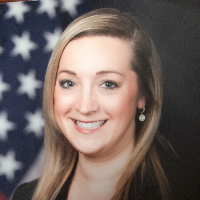
Brittany Bordonaro, LICSW
Therapist in District of Columbia
Experienced LICSW focused on relationships and healing
Continue with BrittanyReview online therapy options on BetterHelp.
Experience
15+ years
Credentials
LICSW
Languages
English
Based in
District of Columbia
- Client-centered approach
- Strengths-based focus
- Practical skill building
About Brittany
Brittany uses a client-centered style to learn what matters most to each person. She listens for strengths people already have and helps them apply those skills to current problems. That practical focus often leads to noticeable relief early in care.
Her work spans many settings, including community programs and the military system. Brittany currently provides counseling for U.S. military service members and their dependents in the District of Columbia. That experience informs her familiarity with military-related stressors and first responder issues.
She blends Cognitive Behavioral Therapy with solution-focused and narrative techniques to help people change unhelpful patterns and reframe difficult experiences. Sessions include skill practice, problem-solving, and attention to how a person’s background affects current choices.
Brittany also supports people dealing with trauma, family-of-origin worries, grief, addictions, body image, and parenting stress. She pays attention to cultural context and aims to make therapy relevant to each client’s life and values.
If someone wants a collaborative, strengths-based therapist who focuses on clear goals and workable steps, Brittany offers practical tools and encouragement to move forward.
Approaches that guide online work
Brittany often draws on Cognitive Behavioral Therapy and client-centered methods. CBT focuses on spotting unhelpful thoughts and testing new behaviors to reduce anxiety and depression. Client-centered work emphasizes listening, respect, and building on your own goals and strengths to make change feel doable.She also uses elements of the Gottman Method to address relationship patterns and communication, helping people identify repeating cycles and try different interaction strategies. These approaches can help with intimacy issues, conflict, and rebuilding trust over time.
Choosing a therapeutic approach is a collaborative process. Brittany will talk with each person about what matters most, suggest methods that fit the goals, and adjust plans as progress is made. The aim is to find a way of working that feels practical and respectful of your preferences.
Confirm the current online session options before booking so you know what formats are offered. Online therapy can make it easier to fit sessions into a busy life, reduce travel time, and allow shorter check-ins when schedules are tight. Licensed professionals can use these methods effectively in virtual sessions while helping people apply skills between meetings.
Areas of expertise
Primary focus
Also works with
Additional focus areas
Therapeutic approaches
License details
- LICSW · District of Columbia
- LC50079422
- NPI (National Provider Identifier)
- 1326611633
As listed on the therapist's professional profile. You can check these details with the relevant licensing board, professional body or registry.
Frequently asked questions
What kinds of problems does she help with?
She works with relationship and intimacy-related issues along with anxiety, depression, stress, trauma and family conflict. Additional focuses include grief, addictions, body image, parenting stress, and military-related concerns.
What is her therapy style like?
Brittany uses a client-centered, strengths-based style that emphasizes collaboration. Sessions often include problem-solving, skill practice, and steps you can try between meetings.
How much experience does she have?
She has about 15 years of experience providing direct mental health services across community and military settings.
What are her credentials and where does she practice?
She holds a DC LICSW and practices in the District of Columbia.
Can I work with her if I live outside the U.S.?
Sessions are offered in English and she is not accepting international clients at this time.
Which session formats are available?
Confirm current session options before booking to know which formats Brittany offers for therapy sessions.
How are fees and payments handled?
Cost varies by location and therapist availability, and sessions use a subscription that can be canceled at any time.
How do I begin working with her?
Choose the Start Therapy button, complete a short matching questionnaire, and then schedule according to therapist availability.
Some intimacy concerns have a physical side. If you notice pain or other physical symptoms, please speak with a doctor as well. Therapy can sit alongside medical care, not replace it.