
Kevin Rogers
LPCOklahoma · 9 yrs exp
Practical, collaborative therapy for everyday struggles
Stress, Anxiety · Anger · Self esteem · Coping with life changes · +16 more
Read profileAn independent therapist directory · United States, United Kingdom and Australia
Therapist listings are provided by BetterHelp. We will earn a commission at no additional cost to you if you use our links to purchase.
Browse profiles of therapists listed in Oklahoma who address intimacy and sexual health concerns. You can compare focus areas, professional credentials, languages spoken and therapeutic approaches. Select a profile to learn more and confirm whether the practitioner can work with you where you live.
Oklahoma · 9 yrs exp
Practical, collaborative therapy for everyday struggles
Stress, Anxiety · Anger · Self esteem · Coping with life changes · +16 more
Read profile
Oklahoma · 25 yrs exp
Compassionate counselor guiding practical change
Stress, Anxiety · Family · Trauma and abuse · Parenting · +15 more
Read profile
Oklahoma · 30 yrs exp
Experienced counselor focused on practical coping skills
Stress, Anxiety · Relationship · Family · Trauma and abuse · +10 more
Read profile
Oklahoma · 14 yrs exp
Compassionate counselor focused on relationships and healing
Relationship · Trauma and abuse · Anger · Self esteem · +12 more
Read profile
Oklahoma · 3 yrs exp
Practical therapy that combines acceptance and change
Stress, Anxiety · LGBT · Trauma and abuse · Anger · +6 more
Read profile
Oklahoma · 10 yrs exp
Compassionate, practical therapy for adults
Stress, Anxiety · Addictions · Relationship · Trauma and abuse · +1 more
Read profile
Oklahoma · 3 yrs exp
Compassionate counselor focused on practical growth
Stress, Anxiety · LGBT · Trauma and abuse · Depression · +14 more
Read profile
Oklahoma · 3 yrs exp
Compassionate support for everyday struggles
Stress, Anxiety · Relationship · Self esteem · Depression · +1 more
Read profile
Oklahoma · 8 yrs exp
Practical, person-focused therapy for relationship and intimacy concerns
Stress, Anxiety · Relationship · Family · Trauma and abuse · +16 more
Read profile
Oklahoma · 8 yrs exp
Compassionate counselor for adult life challenges
Stress, Anxiety · Addictions · Self esteem · Depression · +11 more
Read profile
Oklahoma · 16 yrs exp
Compassionate, practical therapy for life’s challenges
Stress, Anxiety · Relationship · Trauma and abuse · Self esteem · +1 more
Read profile
Oklahoma · 11 yrs exp
Compassionate counselor focused on practical change
Stress, Anxiety · Relationship · Grief · Bipolar · +15 more
Read profile
Oklahoma · 7 yrs exp
Supportive LPC helping people find practical change
Stress, Anxiety · Addictions · LGBT · Self esteem · +15 more
Read profile
Oklahoma · 11 yrs exp
Compassionate, practical therapy for identity and intimacy issues
Stress, Anxiety · LGBT · Relationship · Family · +14 more
Read profile
Oklahoma · 7 yrs exp
Calm clinical guidance for intimate and life struggles
Stress, Anxiety · Relationship · Family · Intimacy-related issues · +10 more
Read profile
Oklahoma · 10 yrs exp
Practical counseling for trauma and life change
Stress, Anxiety · Trauma and abuse · Depression · Coaching · +16 more
Read profile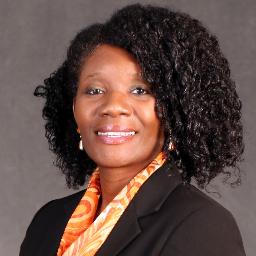
Oklahoma · 21 yrs exp
Helping people reclaim joy and purpose
Stress, Anxiety · Addictions · Relationship · Family · +1 more
Read profile
Oklahoma · 9 yrs exp
Collaborative, person-centered counseling for relationships
Stress, Anxiety · LGBT · Relationship · Trauma and abuse · +9 more
Read profile
Oklahoma · 15 yrs exp
Compassionate counselor for adult life challenges
Stress, Anxiety · Trauma and abuse · Grief · Self esteem · +12 more
Read profile
Oklahoma · 10 yrs exp
Compassionate practical therapy for life changes
Stress, Anxiety · Relationship · Grief · Self esteem · +15 more
Read profile
Oklahoma · 10 yrs exp
Compassionate, practical counseling for sexual and intimacy concerns
Stress, Anxiety · LGBT · Trauma and abuse · Self esteem · +14 more
Read profile
Oklahoma · 11 yrs exp
Supportive counselor focused on practical change
Stress, Anxiety · LGBT · Relationship · Depression · +13 more
Read profile
Oklahoma · 12 yrs exp
Practical, client-centered counseling for life challenges
Stress, Anxiety · Relationship · Family · Self esteem · +13 more
Read profile
Oklahoma · 6 yrs exp
Supportive Oklahoma LCSW focused on practical change
Stress, Anxiety · Relationship · Family · Grief · +16 more
Read profileWhen you are seeking help with intimacy or sexual health concerns you may be facing emotional strain, desire differences, performance anxiety, discomfort during sex, or the relationship impacts of those issues. You are likely looking for a clinician who understands both the emotional and relational sides of these challenges. Profiles in this directory are meant to give you enough information to decide which clinicians to learn more about. They describe focus areas that a clinician lists, such as sexual dysfunction or relationship stress, but a listed topic does not prove a particular clinician has specialized certification. Use the profiles to get a sense of who might match your needs and to prepare questions about how they work.
Keep in mind that your goals matter. Some people want to address physical symptoms, others want to improve communication with a partner, and some want support for anxiety that affects intimacy. If you have physical symptoms such as pain or new bodily changes, consider checking with a medical doctor first to rule out or manage physical causes. Once you know what you want to address, the profile details can help you narrow who to contact so you can ask informed questions about fit and approach.
Profiles in this directory show a listed location, which lets you see clinicians associated with Oklahoma. A listed location does not by itself confirm an office address, an active license, or permission to practice in a particular state or country. It is important that you check the individual profile and directly confirm whether a clinician is permitted to work with you where you live. This is especially relevant if you are considering online care across state or national borders.
Professional credentials and academic degrees are distinct pieces of information. Degrees such as PhD, PsyD, MD, MA or MSW describe formal education. Licenses, registrations or professional memberships describe permission to practice and the type of regulation that applies. In the United States look for evidence of a state license, which might appear as credential initials that indicate a mental health license in that state. In the United Kingdom and Australia clinicians may list registration or membership with professional bodies rather than a state license. A degree by itself does not establish current permission to practice. When you review profiles, note the difference between academic degrees and any licensing, registration or membership information and ask clinicians to clarify what those credentials mean for working with you.
Once you identify clinicians whose profiles resonate, prepare focused questions about how they approach intimacy and sexual health concerns. Ask how they typically work with the issues most like yours, and request examples of the sorts of strategies they might discuss in early sessions. You can ask whether they have experience addressing desire differences, performance-related anxiety, painful sexual experiences, or the emotional fallout of sexual concerns. Rather than assuming specific therapies are in use, ask if the clinician lists particular approaches such as cognitive-behavioral techniques, psychodynamic perspectives, mindfulness-based strategies, or sex-positive frameworks among their approaches, since a profile note that a clinician lists an approach is not proof of formal certification in it.
Clarify whether the clinician typically works with individuals, partners, or both, and make sure a listed topic does not automatically indicate they treat every population. If it matters to you, ask about their experience with issues related to gender, sexual orientation, cultural background or religious values. You can also ask how they measure progress and what a typical early session would cover. These concrete questions help you determine whether their way of working matches what you need and what you expect from care.
If you are considering virtual sessions, there are practical and ethical matters to cover before you begin. Confirm that the clinician is authorized to provide care where you live, because rules vary by state and country. Discuss how they protect your personal information during sessions and how they handle records and communications, and ask what to expect if an urgent medical or safety issue arises between sessions. It is appropriate to ask how the clinician coordinates with medical providers when physical symptoms are involved, and whether they encourage a medical evaluation for pain, changes in sexual function, or other bodily concerns.
Talk about session structure so you know whether a clinician tends to focus on skills, exploration of feelings and history, communication practice with a partner, or other emphases. If you anticipate involving a partner, discuss whether the clinician works with partners and how they manage sessions when different needs or goals are present. You should also ask about language options and interpretation support if you prefer to work in a language other than English, because communication comfort is an important part of effective care.
Comparing profiles effectively means looking beyond titles to the specifics that affect your experience. Start with the focus areas a clinician lists and note whether your primary concern appears there, recognizing that a listed focus is a signal rather than proof of specialization. Pay attention to the approaches they mention as a way to gauge whether their clinical orientation aligns with your preferences. For example, you may prefer clinicians who list relational approaches, or you may want someone who lists cognitive strategies or mindfulness-informed work. Where a clinician lists particular techniques among their approaches, treat those as topics to discuss rather than guarantees that those techniques will be used.
Language and cultural competence matter for discussing intimate matters, so notice the languages a clinician lists and any statements about their experience with diverse communities. Credentials and degrees give context - a PhD or PsyD indicates doctoral-level education, an MD indicates medical training, and an MSW or MA indicates graduate-level social work or counseling training - but degrees alone do not confirm the ability to practice. Finally, consider the clinician's style as described in their profile language. Some clinicians emphasize a practical, skills-focused approach while others emphasize exploration and processing. The tone of a profile can help you imagine how comfortable you might feel during sessions. After comparing profiles, reach out to clinicians whose profiles feel like a potential fit and ask the specific questions that matter to you, including whether they can work with you where you live and how they handle clinical and medical coordination.
Using these sections as a guide will help you make an informed decision about who to contact. Remember that the profiles on this site are a starting point; verifying credentials, discussing approach and confirming permission to work together where you live are essential steps before beginning care.
Attachment Issues
1486 therapists
Body Image
1323 therapists
Commitment Issues
1401 therapists
Communication Problems
1682 therapists
Coping with Life Changes
1488 therapists
Divorce
1564 therapists
Fertility Issues
751 therapists
Infidelity
1473 therapists
Relationship
1649 therapists
Self-Love
1641 therapists
Separation
1564 therapists