
Christopher Denzler
LMHCIndiana · 8 yrs exp
Practical support for stress and intimacy concerns
Stress, Anxiety · Addictions · Family · Trauma and abuse · +15 more
Read profileAn independent therapist directory · United States, United Kingdom and Australia
Therapist listings are provided by BetterHelp. We will earn a commission at no additional cost to you if you use our links to purchase.
This page groups profiles under the listed location Indiana for professionals who include intimacy and sexual health among their focus areas. You can compare credentials, approaches, languages and focus areas to find profiles that align with your needs.
Browse the listings below and follow profile links to learn more and confirm a practitioner has permission to work with you where you live.
Indiana · 8 yrs exp
Practical support for stress and intimacy concerns
Stress, Anxiety · Addictions · Family · Trauma and abuse · +15 more
Read profile
Indiana · 37 yrs exp
Experienced LCSW focused on practical change
Stress, Anxiety · Relationship · Trauma and abuse · Bipolar · +15 more
Read profile
Indiana · 15 yrs exp
Compassionate clinical social worker focusing on practical change
Stress, Anxiety · Relationship · Family · Trauma and abuse · +10 more
Read profile
Indiana · 21 yrs exp
Experienced LCSW helping with sexual and relationship concerns
Stress, Anxiety · Trauma and abuse · Grief · Sleeping · +15 more
Read profile
Indiana · 15 yrs exp
Helping partners build clearer connection and communication
Stress, Anxiety · Relationship · Intimacy-related issues · Self esteem · +1 more
Read profile
Indiana · 20 yrs exp
Practical therapy for stress and relationship strain
Stress, Anxiety · Addictions · Family · Parenting · +1 more
Read profile
Indiana · 17 yrs exp
Straightforward LCSW focused on practical change
LGBT · Relationship · Parenting · Anger · +14 more
Read profile
Indiana · 19 yrs exp
Compassionate, practical therapy for relationships
Relationship · Family · Trauma and abuse · Intimacy-related issues · +14 more
Read profile
Indiana · 10 yrs exp
Practical, veteran-informed care for stress and addiction
Stress, Anxiety · Addictions · Trauma and abuse · Grief · +14 more
Read profile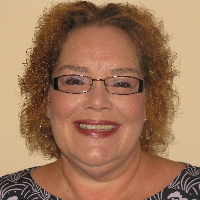
Indiana · 24 yrs exp
Compassionate, practical therapy for relationships and life change
Stress, Anxiety · Relationship · Grief · Intimacy-related issues · +7 more
Read profile
Indiana · 35 yrs exp
Practical, experienced support for life and intimacy issues
Stress, Anxiety · Relationship · Grief · Sleeping · +16 more
Read profile
Indiana · 26 yrs exp
Calm, practical therapy for emotional healing
Relationship · Trauma and abuse · Anger · Self esteem · +11 more
Read profile
Indiana · 9 yrs exp
Compassionate relationship-focused therapy
Stress, Anxiety · Relationship · Family · Parenting · +10 more
Read profile
Indiana · 14 yrs exp
Warm, practical therapy for life and intimacy issues
Relationship · Family · Career · Depression · +16 more
Read profile
Indiana · 9 yrs exp
Compassionate, practical therapy for real-life challenges
Stress, Anxiety · Trauma and abuse · Self esteem · Depression · +15 more
Read profile
Indiana · 18 yrs exp
Experienced therapist for life and intimacy concerns
Stress, Anxiety · Family · Trauma and abuse · Parenting · +14 more
Read profile
Indiana · 12 yrs exp
LCSW offering practical, values-based therapy
Stress, Anxiety · Relationship · Family · Self esteem · +1 more
Read profile
Indiana · 3 yrs exp
Compassionate guidance for real-life struggles
Stress, Anxiety · Addictions · Grief · Self esteem · +11 more
Read profile
Indiana · 15 yrs exp
Therapist focused on relationships and sexuality
Relationship · Family · Parenting · Self esteem · +1 more
Read profile
Indiana · 14 yrs exp
Compassionate relationship and intimacy focused therapy
Addictions · LGBT · Relationship · Intimacy-related issues · +1 more
Read profileWhen you look for help with intimacy or sexual health matters you are often addressing more than a single symptom. You might be navigating desire differences with a partner, performance anxiety, pain or discomfort during sexual activity, or the emotional and relationship effects of changing sexual function. These issues frequently overlap with stress, mood changes, body-image concerns, trauma history, or medical conditions. It is helpful to think about what you most want to change or understand, whether that is communication skills, reducing anxiety, managing physical pain in consultation with a medical professional, or exploring how past experiences affect your present intimacy. If you are experiencing pain or new physical symptoms, consider arranging an evaluation with a doctor to rule out medical causes before or alongside psychological care. Also keep in mind that a profile listing sexual dysfunction or related topics is descriptive of what a professional has noted as a focus area; it does not by itself indicate a particular credential, certification, or diagnostic service.
The listed location on a profile groups professionals who indicate Indiana as their area, but that does not automatically confirm an in-person office at a given address or permission to practice across every county. You should check each individual profile and confirm directly whether a practitioner can work with you where you live. In the United States many clinicians hold state licenses such as LCSW, LPC, LMFT or other licensure designations; a degree like PhD, PsyD, MD, MA or MSW is an academic credential and does not alone establish legal permission to practice. In the UK and Australia professionals may reference registration, membership, or membership numbers with national bodies rather than state licenses. Profiles may include a mixture of degrees, registration statements, and membership affiliations; when you read them, look for explicit language about permission to work in your jurisdiction and ask the practitioner to clarify if you are unsure. Also remember that a listed focus area does not automatically mean the clinician treats all populations or settings - talk directly about whether they have experience with the age group, relationship structure, or specific concern you bring.
When you contact a profile, prepare concrete questions that will help you compare professional approaches and experience. Ask whether the practitioner has experience working with problems like the ones you described and what kinds of approaches they typically use for those concerns. Some clinicians will list particular approaches on their profile; you can ask about what it looks like in practice when a clinician uses those approaches. For example, you might say I see you list cognitive-behavioral approaches or mindfulness-based work - how do you apply that to desire differences or performance anxiety? Ask whether they have experience addressing identity, orientation, medical comorbidities, or trauma-related factors if those are relevant to you. It is also reasonable to ask about how they collaborate with medical providers when physical symptoms are present, and whether they are comfortable discussing the emotional and relational aspects of sexual health without implying that a partner must attend sessions. If you want to work with a clinician who speaks a particular language or who has experience with a cultural background that matters to you, mention that up front. These questions help you compare not only credentials and labels but the actual ways each professional tends to work.
Before beginning care, clarify practical and clinical boundaries so you know what to expect from the first conversations. Ask if the practitioner has permission to work with clients in your state or country, and whether they provide in-person meetings at the listed location, remote care, or both. Discuss informed consent topics such as session goals, how progress will be reviewed, and what to do in a crisis or emergency. If you have physical symptoms, ask how the clinician prefers to coordinate with your medical provider, or whether they recommend a medical evaluation first. You might also bring up concerns about communication style - for example, whether the clinician takes a primarily educational approach, a more exploratory psychotherapeutic stance, or a combined approach - and request an example of what a typical early session would address. These conversations help you judge whether a profile matches your needs and give you a clearer sense of the professional's working style and boundaries.
Comparing profiles involves looking beyond a single headline and reading for details that matter to your situation. Start by noting the focus areas they list and how those are described - some profiles specify particular concerns like desire differences, sexual pain, or the relational fallout of sexual function changes. Next, review educational degrees and statements about licensure, registration, or memberships. Remember that a degree such as PhD, PsyD, MD, MA or MSW indicates academic training and is distinct from a license or registration that grants permission to practice in a particular place. Also consider languages spoken and cultural knowledge that might make communication smoother for you. Style is harder to summarize but is often hinted at in profile language: some clinicians describe a more direct, structured approach while others emphasize exploration and support. You can look for phrases that describe goals-focused work versus open-ended exploration, or for notes about working with partners if collaboration is relevant. Where approaches are listed, interpret them as discussion prompts - for example, you might ask about therapists who list EMDR among their approaches to understand whether and how that approach is applied to intimacy concerns. Finally, prioritize contacting profiles to ask the concrete questions discussed above and to confirm that the practitioner has permission to work with you in your jurisdiction. Comparing in this way helps you make an informed choice from the profiles grouped on this Indiana page without assuming that listing a topic or degree alone guarantees a specific skill set or scope of practice.
When you are ready, use the listings to review individual profiles and follow the links to learn more and reach out. Checking the profile details and having a short conversation with a practitioner will help you determine whether their experience and approach are a match for the concerns you want to address.
Attachment Issues
1486 therapists
Body Image
1323 therapists
Commitment Issues
1401 therapists
Communication Problems
1682 therapists
Coping with Life Changes
1488 therapists
Divorce
1564 therapists
Fertility Issues
751 therapists
Infidelity
1473 therapists
Relationship
1649 therapists
Self-Love
1641 therapists
Separation
1564 therapists