
Dr. Ulia Fisher
LIMFT, LPCCOhio · 13 yrs exp
Practical therapy for stress and intimacy struggles
Stress, Anxiety · Relationship · Family · Parenting · +13 more
Read profileAn independent therapist directory · United States, United Kingdom and Australia
Therapist listings are provided by BetterHelp. We will earn a commission at no additional cost to you if you use our links to purchase.
Compare focus areas, approaches, languages, and credentials among therapists listed in this Ohio location to find professionals who may match your needs. Browse profiles and confirm each therapist's permission to work with you where you live before reaching out.
Ohio · 13 yrs exp
Practical therapy for stress and intimacy struggles
Stress, Anxiety · Relationship · Family · Parenting · +13 more
Read profile
Ohio · 45 yrs exp
Experienced, pragmatic counselor for adults
Stress, Anxiety · Addictions · Trauma and abuse · Grief · +13 more
Read profile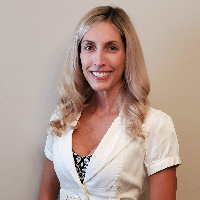
Ohio · 19 yrs exp
Compassionate clinician focusing on practical change
Stress, Anxiety · Relationship · Grief · Intimacy-related issues · +14 more
Read profile
Ohio · 11 yrs exp
Compassionate counselor for life changes
Stress, Anxiety · LGBT · Relationship · Intimacy-related issues · +15 more
Read profile
Ohio · 18 yrs exp
Compassionate listener guiding practical change
Stress, Anxiety · Relationship · Grief · Self esteem · +10 more
Read profile
Ohio · 22 yrs exp
Compassionate therapist with practical focus
Stress, Anxiety · Relationship · Family · Parenting · +15 more
Read profile
Ohio · 31 yrs exp
Experienced listener for relationship and life struggles
Stress, Anxiety · Family · Trauma and abuse · Grief · +16 more
Read profile
Ohio · 25 yrs exp
Experienced counselor focused on practical progress
Stress, Anxiety · Relationship · Family · Trauma and abuse · +16 more
Read profile
Ohio · 17 yrs exp
Experienced LISW focused on practical support
Stress, Anxiety · Family · Trauma and abuse · Parenting · +13 more
Read profile
Ohio · 20 yrs exp
Experienced LCSW focused on practical emotional healing
Stress, Anxiety · Family · Trauma and abuse · Grief · +14 more
Read profile
Ohio · 10 yrs exp
Substance abuse and intimacy-focused counselor
Stress, Anxiety · Addictions · LGBT · Trauma and abuse · +15 more
Read profile
Ohio · 6 yrs exp
Compassionate, practical support for change
Addictions · Trauma and abuse · Grief · Self esteem · +8 more
Read profile
Ohio · 10 yrs exp
Calm, practical support for life’s harder moments
Stress, Anxiety · Addictions · Relationship · Trauma and abuse · +10 more
Read profile
Ohio · 10 yrs exp
Practical, personable support for life and intimacy concerns
Stress, Anxiety · Coping with life changes · Relationship · Family · +8 more
Read profile
Ohio · 11 yrs exp
Supportive LCSW focused on practical change
Stress, Anxiety · Relationship · Trauma and abuse · Self esteem · +12 more
Read profile
Ohio · 14 yrs exp
Compassionate counselor focused on practical progress
Stress, Anxiety · Addictions · LGBT · Trauma and abuse · +14 more
Read profile
Ohio · 7 yrs exp
Practical counselor for relationship and stress concerns
Stress, Anxiety · Relationship · Trauma and abuse · Self esteem · +15 more
Read profile
Ohio · 7 yrs exp
Compassionate support for practical change
Stress, Anxiety · Anger · Self esteem · Depression · +10 more
Read profile
Ohio · 11 yrs exp
Compassionate counselor for complex emotional concerns
Stress, Anxiety · LGBT · Trauma and abuse · Self esteem · +16 more
Read profile
Ohio · 10 yrs exp
Compassionate support for stress and trauma recovery
Stress, Anxiety · Family · Trauma and abuse · Self esteem · +1 more
Read profile
Ohio · 8 yrs exp
Compassionate, practical help for life’s hard moments
Addictions · Family · Trauma and abuse · Grief · +1 more
Read profileWhen you search for help with intimacy and sexual health, you are likely looking for support with both physical and emotional dimensions. Common topics people bring to therapy include differences in desire, difficulty with arousal or orgasm, performance anxiety, pain or discomfort during sex, and the emotional or relationship fallout from these challenges. You may also be coping with the effects of past trauma, medical changes, life transitions, or chronic health conditions that influence your sexual well-being. It is appropriate to explore how these issues affect your mood, self-image, and relationships as well as any practical steps you and a clinician can take to address them.
If you are experiencing pain or a new physical symptom it is a good idea to consult a medical professional such as your primary care doctor or a specialist to rule out or treat medical causes. Therapy can be an important part of overall care, especially when there are emotional, relational, or behavioral components to address, but questions about medication or surgical treatment should be directed to a physician. As you read profiles in this listed location, look for clinicians who mention the kinds of concerns you want to work on and who describe how they typically address the emotional and relational aspects of sexual health.
Profiles grouped under Ohio reflect the listed location for each clinician but do not by themselves guarantee an in-person office or ongoing permission to practice in a particular city or state. You should check each individual profile and verify that the clinician is permitted to work with you where you live. This is especially important if you plan to meet in person or start remote care while you are located in a different jurisdiction. The directory includes professionals practicing in the United States, the United Kingdom, and Australia; terminology and formal permissions vary across these systems.
Distinguish academic degrees from professional registration or licensure. Degrees such as PhD, PsyD, MD, MA, and MSW indicate academic or clinical training but do not in themselves confirm current permission to practice. In the United States, clinicians typically hold state licensure or credentialing that authorizes clinical practice. In the United Kingdom and Australia, professionals may list registration with a regulatory body or membership in professional organizations. A profile may also note additional focus areas such as Sexual dysfunction. That listing signals an area the clinician identifies in their practice but does not establish specialist certification, diagnostic services, treatment outcomes, or suitability for any particular person. Before you move forward, confirm the clinician's professional standing and scope of practice directly on their profile and in your initial conversations.
When you contact a clinician or review a profile, it helps to have clear, concrete questions that reveal fit and approach. You might ask whether the clinician has experience working with the specific issue you are facing, for example desire differences, performance anxiety, or pain during sex, and how they typically frame treatment for that concern. You can ask if they list particular approaches among their methods, phrasing it as a query such as "I see you list cognitive-behavioral approaches or sex-positive frameworks among your approaches - how do you use those when working with intimacy concerns?" This phrasing acknowledges that listing an approach is not a guarantee of a particular training path but invites explanation of how the clinician integrates those ideas in practice.
Ask about the populations they work with and any limits to their scope. A listed topic does not prove that a clinician treats children, couples, or families, so if you need help that involves a partner or a family member, ask whether the clinician works with couples or whether they prefer individual work and how they handle partner involvement. You may also want to ask how they handle coordination with medical providers when physical factors are relevant, what kinds of assessments they use, and what they consider when prioritizing goals. These questions help you compare profiles in meaningful ways without relying on assumptions about credentials or titles.
If you are considering remote sessions, address practical and safety-related topics before beginning. Confirm whether the clinician has permission to provide care in the state or country where you are located. Discuss how they handle emergency situations and what local resources they recommend if you need urgent medical or mental health help. Talk about technology - which video platform they use, how to handle technical problems if a session is interrupted, and expectations for communication between sessions. Clarify boundaries around messaging and response times so you understand how to reach them for logistical concerns.
You should also speak about privacy in your own setting, and how to create a comfortable environment for sessions at home. If coordination with a doctor is relevant for your symptoms, ask whether and how the clinician will communicate with medical providers, with your consent. Finally, discuss how progress will be measured and what a typical course of work might involve for your concern, while keeping in mind that individual pathways vary. These conversations help you set realistic expectations and choose a clinician whose way of working fits your needs.
Comparing profiles effectively means looking beyond a title and considering several concrete dimensions. First, check focus areas to see whether a clinician lists the specific concerns you want to address, such as desire differences, performance anxiety, or pain. Remember that many profiles include Sexual dysfunction among additional focus areas; that entry indicates interest or experience but is not evidence of a particular certification or outcome. Next, look at language offerings if you prefer to work in a language other than English, and notice whether a clinician lists multiple languages or cultural competencies that matter to you.
Examine credentials with an eye for distinction between academic degrees and professional permission to practice. A profile may list a PhD, PsyD, MD, MA, or MSW as an educational credential. Ask directly about licensure, registration, or membership appropriate to the clinician's country of practice so you understand their formal standing. Finally, read descriptions of therapeutic style and approach to get a sense of how a clinician works day to day. Some clinicians emphasize a directive, skills-based approach while others focus on reflective, exploratory work; some integrate relational and medical considerations more explicitly. Think about what style feels most approachable to you and use interview questions to clarify whether a clinician's way of working will meet your expectations.
As you compare, remember that a listed topic does not establish that a clinician treats certain populations such as children or couples, so always discuss your particular needs directly. Use the profiles in this Ohio section to narrow your options, then confirm permission to work together where you live and ask the practical questions that matter most to you. That process will help you identify clinicians whose focus, credentials, language skills, and therapeutic style align with your goals for intimacy and sexual health support.
Attachment Issues
1486 therapists
Body Image
1323 therapists
Commitment Issues
1401 therapists
Communication Problems
1682 therapists
Coping with Life Changes
1488 therapists
Divorce
1564 therapists
Fertility Issues
751 therapists
Infidelity
1473 therapists
Relationship
1649 therapists
Self-Love
1641 therapists
Separation
1564 therapists