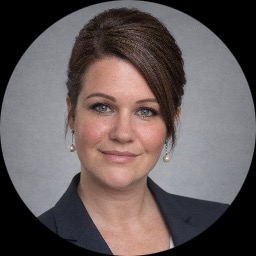
Mary Mayle, LISW
Therapist in Ohio
Compassionate listener guiding practical change
Continue with MaryReview online therapy options on BetterHelp.
Experience
18+ years
Credentials
LISW
Languages
English
Based in
Ohio
- Client-centered care
- Practical steps
- Mindfulness tools
About Mary
Therapeutic approaches and how they translate online
Client-centered therapy focuses on listening and reflecting what you bring to the session. It helps when someone needs a steady, accepting space to make sense of feelings and decide on next steps. Cognitive behavioral therapy, or CBT, looks at unhelpful thoughts and behaviors and uses clear exercises to change them; it can help with anxiety, depression, stress, and coping with life transitions.Finding the right approach is part of the work. The therapist collaborates with each person to choose which methods to try first based on their goals and preferences. That means trying an approach and adjusting as needed rather than sticking to one method rigidly.
Because the specific session formats are not listed in the biography, please confirm current session options before booking. Online therapy can make it easier to fit sessions into a busy week, shorten travel time, and allow quick check-ins between in-person commitments. It can also let people use audio-only check-ins when bandwidth is limited or brief phone-style conversations for shorter progress updates. Licensed professionals can adapt tools like CBT worksheets, mindfulness exercises, and guided imagery to work in remote sessions, helping clients practice skills between meetings.
Areas of expertise
Primary focus
Also works with
Additional focus areas
Therapeutic approaches
License details
- LISW · Ohio
- I.1201489-SUPV
- NPI (National Provider Identifier)
- 1306186648
As listed on the therapist's professional profile. You can check these details with the relevant licensing board, professional body or registry.
Frequently asked questions
What concerns does Mary help with?
She works with stress, anxiety, depression, relationship and intimacy-related issues, grief, addictions, and coping with major life changes.
What is her style in sessions?
Mary offers a nonjudgmental, collaborative style and focuses on listening first, then building practical steps clients can try between sessions.
How much experience does she have?
She has 18 years of experience as a clinician working with diverse people across different ages and health situations.
What credentials and location apply?
Mary holds an Ohio LISW and practices in Ohio.
Which languages are supported?
Sessions are offered in English.
Are international clients accepted?
International clients are not currently accepted.
How are sessions scheduled and paid?
Cost varies with location and therapist scheduling; sessions use a subscription that can be canceled at any time.
How do I begin working with her?
Click the Start Therapy button, complete a short matching questionnaire, and then schedule according to the therapist's availability.
Some intimacy concerns have a physical side. If you notice pain or other physical symptoms, please speak with a doctor as well. Therapy can sit alongside medical care, not replace it.