
Linda Hazel
LMFTTennessee · 35 yrs exp
Experienced Tennessee LMFT focused on practical change
Addictions · Relationship · Family · Trauma and abuse · +1 more
Read profileAn independent therapist directory · United States, United Kingdom and Australia
Therapist listings are provided by BetterHelp. We will earn a commission at no additional cost to you if you use our links to purchase.
Compare profiles of clinicians listed in Tennessee who note intimacy and sexual health among their areas of focus, including approaches, credentials, languages, and experience. Browse the profiles below and check each profile to confirm a therapist's permission to work with you where you live.
Tennessee · 35 yrs exp
Experienced Tennessee LMFT focused on practical change
Addictions · Relationship · Family · Trauma and abuse · +1 more
Read profile
Tennessee · 5 yrs exp
Compassionate, practical counseling for life challenges
Stress, Anxiety · Trauma and abuse · Anger · Self esteem · +14 more
Read profile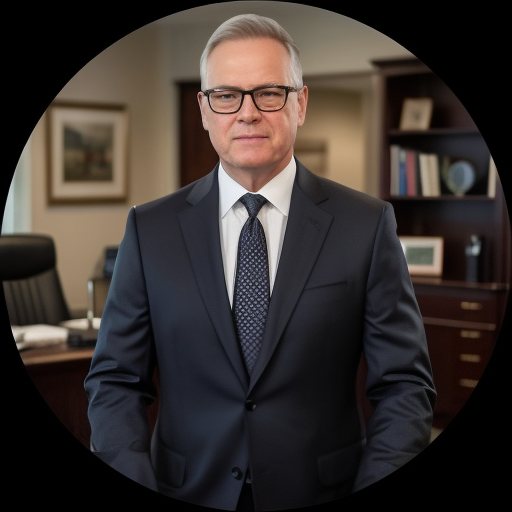
Tennessee · 30 yrs exp
Experienced counselor focused on practical healing
Relationship · Trauma and abuse · Self esteem · Bipolar · +13 more
Read profile
Tennessee · 20 yrs exp
Compassionate practical support for change
Stress, Anxiety · Addictions · Trauma and abuse · Anger · +16 more
Read profile
Tennessee · 10 yrs exp
Practical, respectful support for life changes
Stress, Anxiety · Relationship · Trauma and abuse · Depression · +1 more
Read profile
Tennessee · 20 yrs exp
Compassionate counselor for life transitions
Stress, Anxiety · Family · Grief · Depression · +1 more
Read profile
Tennessee · 10 yrs exp
Compassionate social worker focused on practical change
Stress, Anxiety · Relationship · Family · Trauma and abuse · +13 more
Read profile
Tennessee · 12 yrs exp
Compassionate LCSW helping people make real changes
Relationship · Grief · Intimacy-related issues · Depression · +3 more
Read profile
Tennessee · 25 yrs exp
Experienced counselor for intimacy and trauma issues
Stress, Anxiety · Addictions · Trauma and abuse · Intimacy-related issues · +10 more
Read profile
Tennessee · 11 yrs exp
Calm guidance for life changes and mood concerns
Stress, Anxiety · Family · Bipolar · Depression · +1 more
Read profile
Tennessee · 13 yrs exp
Warm counselor focused on practical change
Relationship · Trauma and abuse · Grief · Parenting · +14 more
Read profile
Tennessee · 7 yrs exp
Compassionate, person-centered therapist focused on intimacy
Addictions · LGBT · Trauma and abuse · Grief · +9 more
Read profile
Tennessee · 30 yrs exp
Experienced sexual health therapist
Stress, Anxiety · Addictions · LGBT · Relationship · +14 more
Read profile
Tennessee · 8 yrs exp
Solution-focused marriage and family therapist
Stress, Anxiety · Trauma and abuse · Intimacy-related issues · Self esteem · +6 more
Read profile
Tennessee · 15 yrs exp
Experienced counselor for sexual and behavioral concerns
Stress, Anxiety · Addictions · Coping with life changes · Depression
Read profile
Tennessee · 7 yrs exp
Compassionate, practical therapy for real-life challenges
Stress, Anxiety · Addictions · Trauma and abuse · Depression · +10 more
Read profile
Tennessee · 10 yrs exp
Practical, respectful counseling for life changes
Stress, Anxiety · LGBT · Relationship · Depression · +11 more
Read profile
Tennessee · 6 yrs exp
Compassionate counselor for practical change
Stress, Anxiety · Trauma and abuse · Parenting · Anger · +8 more
Read profile
Tennessee · 6 yrs exp
Practical, compassionate counseling for intimate and life stressors
Stress, Anxiety · LGBT · Trauma and abuse · Grief · +7 more
Read profile
Tennessee · 30 yrs exp
Compassionate LCSW offering steady, practical care
Stress, Anxiety · Relationship · Trauma and abuse · Anger · +11 more
Read profile
Tennessee · 20 yrs exp
Practical support to build confidence and connection
Stress, Anxiety · Addictions · LGBT · Relationship · +16 more
Read profile
Tennessee · 4 yrs exp
Compassionate support for relationship and intimacy concerns
Relationship · Family · Trauma and abuse · Intimacy-related issues · +1 more
Read profile
Tennessee · 14 yrs exp
Compassionate therapist for stressful life challenges
Stress, Anxiety · Relationship · Trauma and abuse · Grief · +1 more
Read profile
Tennessee · 5 yrs exp
Practical support for stress and trauma recovery
Stress, Anxiety · LGBT · Trauma and abuse · Grief · +1 more
Read profileWhen you are looking for help with intimacy or sexual health issues, starting with clear language about your experience makes it easier to find a good match. People search for support for a range of concerns that include differences in desire between partners, performance anxiety, pain or discomfort during sex, difficulty with arousal or orgasm, and the emotional impact of changes in sexual function. You might also be seeking help with the relational side of these challenges - how intimacy interacts with communication, trust, grief, or changes in life stage. It helps to note whether your concern is primarily physical, emotional, relational, or a mix.
If you have physical symptoms such as pain, numbness, or sudden changes in sexual function, it is important to see a medical provider to rule out medical causes before or while you pursue therapeutic care. Therapy can address thoughts, emotions, behaviors, and relationship dynamics that affect intimacy, while a medical exam can identify underlying conditions that may need attention. Be prepared to describe what you have noticed, when it started, and any steps already taken so a clinician can understand your situation quickly.
Profiles on this site are grouped under the listed location Tennessee. That grouping does not guarantee an office in a particular city or ongoing permission to practice there. You should review each profile and ask directly whether a clinician is authorized to work with you in your state or country. Professional degrees and titles such as PhD, PsyD, MD, MA, or MSW describe academic achievement but do not by themselves indicate current permission to practice. In the United States, clinicians typically hold state licenses that govern clinical practice. In the United Kingdom and Australia, clinicians may list registrations or professional memberships that reflect different regulatory arrangements. A profile may show a degree and note professional registration or licensure, but those are distinct items to verify. When you read a profile, look for clear statements about the clinician's jurisdictional permissions, and confirm those details before committing to sessions.
When you contact a clinician, having concrete questions can help you understand how they work and whether their style matches your needs. You can ask which issues they most often work with and how they describe the focus areas listed on their profile. Ask whether they work with people, couples, or both, and how they frame goals for therapy. If a profile lists specific approaches - for example, cognitive-behavioral methods, psychodynamic perspectives, somatic-focused approaches, or approaches that emphasize relationship communication - ask how the clinician integrates those ideas into the work and what a typical early session looks like.
It is also reasonable to ask about experience relevant to your identity and circumstances. You can inquire about experience working with people of your gender, sexual orientation, cultural background, or age group. If language access matters, ask which languages the clinician uses in sessions and whether interpretation services are ever used. Remember that a clinician listing an approach does not prove specialized certification in that modality. Phrase questions to learn how they use their stated approaches in practice and how they measure progress toward the goals you describe.
If you are considering online or remote sessions, there are practical and safety-related topics to cover before starting. Ask whether the clinician provides remote care to people living in Tennessee and whether there are geographic limits to where they hold permission to practice. Confirm how they handle technology - which video platform they use, what to do if a connection fails, and how to schedule or reschedule sessions. Discuss privacy in the sense of creating a safe setting for sessions in your home and ask how they recommend managing interruptions or ensuring a calm environment.
You should also ask about policies for emergencies and urgent concerns, since clinicians cannot provide emergency medical services online. Find out how the clinician recommends you proceed if you have a medical concern or feel at risk, and whether they will coordinate with local health professionals when appropriate. If you anticipate involving a partner in some sessions, ask how that is managed and what the clinician's usual practice is for shared sessions versus individual work. These conversations help set expectations and create a framework for collaborative care.
Comparing profiles effectively means paying attention to several interrelated details. First, look at the focus areas a clinician lists and how they describe them in plain language. Some profiles note sexual function or intimacy challenges as one among several specialties; others emphasize relational communication or identity-related work. Consider which focus areas align with your priorities and whether the clinician's description feels relevant to your situation. Keep in mind that a listed focus area is an indication of interest or experience, not proof of specialized certification.
Languages and cultural competence matter for many people. If you prefer to speak in a language other than English, identify clinicians who list those languages and ask whether they use that language in clinical work. Credentials can be informative when you understand their meaning. A degree like an MD or PhD signals advanced study, while licensure, registration, or professional membership indicates the legal or professional frameworks under which the clinician practices. For U.S. practitioners, ask about state licensure; for U.K. or Australian practitioners, ask about registration or membership and how that relates to their scope of practice.
Finally, consider style and tone. Profiles that include personal statements, videos, or descriptions of therapeutic philosophy can give you a sense of a clinician's approach - whether they emphasize practical skills, reflective exploration, body-focused work, or relationship skills. Use initial conversations to assess whether the clinician's communication style and expectations fit your preferences. When you compare profiles, weigh focus areas, language match, credentials, and the descriptive tone to make an informed decision about who to reach out to. Above all, confirm the clinician's permission to work with you in your location and discuss any specific needs before beginning care.
Attachment Issues
1486 therapists
Body Image
1323 therapists
Commitment Issues
1401 therapists
Communication Problems
1682 therapists
Coping with Life Changes
1488 therapists
Divorce
1564 therapists
Fertility Issues
751 therapists
Infidelity
1473 therapists
Relationship
1649 therapists
Self-Love
1641 therapists
Separation
1564 therapists