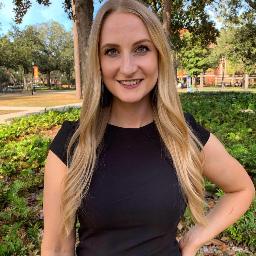
Laura Westbrook, LPC
Therapist in Tennessee
Compassionate, person-centered therapist focused on intimacy
Continue with LauraReview online therapy options on BetterHelp.
Experience
7+ years
Credentials
LPC
Languages
English
Based in
Tennessee
- Person-centered guidance
- Intimacy and relationships
- Trauma and addiction
About Laura
Her work often focuses on sexual intimacy concerns alongside a range of other issues such as addictions, trauma and abuse, anxiety, depression, grief, and relationship struggles. She also addresses concerns linked to attachment, abandonment, codependency, and communication problems. Laura has experience supporting people living with HIV and those managing chronic illness or disability.
Before moving into counseling, she became interested in mental health work through concerns about care in the criminal justice system. Much of her early work was with nonprofits serving people with addiction and trauma histories. That background informs her practical, strengths-based way of working today.
Sessions typically center on what matters most to the client and build on individual strengths. Laura blends Attachment-Based, Client-Centered, Existential, Mindfulness, and Motivational Interviewing approaches to tailor the work to each person. She often brings in books, music, or films as conversation starters or coping tools.
Outside of her clinical work she draws on life experience from California, Alabama, and Florida to connect with people from diverse backgrounds. She enjoys simple stress relievers like watching favorite shows and finds humor a useful way to ease difficult conversations.
How her therapeutic approaches shape online work
Attachment-Based Therapy emphasizes understanding how early relationships influence current emotional patterns and connections. It helps people who struggle with trust, closeness, or recurring relationship problems by looking at how past attachments shape present reactions.Client-Centered Therapy centers the client's experience and values the person's own goals and choices. The therapist follows the client's lead, offering empathy and reflection to help people clarify what matters and decide next steps.
Mindfulness Therapy teaches simple awareness techniques to reduce reactivity and manage stress. It can be useful for anxiety, depression, chronic pain, and coping with strong emotions.
Finding the right approach is part of the work. The therapist will collaborate with each person to choose methods that match their needs, goals, and preferences. That process may involve trying different strategies and adjusting based on what feels most helpful.
Confirm practical session options before booking, since specific formats are not listed here. Online therapy can make it easier to fit sessions into a busy life, reduce travel time, and allow for shorter check-ins when schedules are tight. It also lets people use conversational tools like books, music, or media as part of the work without having to leave home. Licensed professionals help tailor session length and focus so therapy fits day-to-day routines.
Areas of expertise
Primary focus
Also works with
Additional focus areas
Therapeutic approaches
License details
- LPC · Alabama
- LPC04476
- LPC · Tennessee
- 7543
- NPI (National Provider Identifier)
- 1154096584
As listed on the therapist's professional profile. You can check these details with the relevant licensing board, professional body or registry.
Frequently asked questions
What concerns does she commonly address?
She works with a wide range of issues including addictions, trauma and abuse, anxiety, depression, grief, relationship and intimacy-related issues, stress, bipolar disorder, and self-esteem struggles.
How would you describe her therapeutic style?
Her style is person-centered and collaborative, using empathy and humor while guiding clients to find practical tools such as literature, music, or meaningful conversation.
What kind of background does she bring to therapy?
She has seven years of experience and has worked primarily with nonprofit organizations treating addictions and trauma, which shapes her strengths-based and practical approach.
What credentials and location apply to this therapist?
She holds the LPC credential and maintains licensure as an Alabama LPC and a Tennessee LPC, practicing in Tennessee.
Which languages are sessions offered in?
Sessions are offered in English.
Are international clients supported?
She is not currently accepting international clients.
How does cost and scheduling work for sessions?
Cost varies with location and therapist availability, and sessions use a subscription that can be canceled at any time.
What are the first steps to begin working with her?
To start, select the Start Therapy button, complete a short matching questionnaire, and schedule according to the therapist's availability.
Some intimacy concerns have a physical side. If you notice pain or other physical symptoms, please speak with a doctor as well. Therapy can sit alongside medical care, not replace it.