
Sharie Kelley
LCSWOregon · 30 yrs exp
Compassionate practical care for life and intimacy challenges
Stress, Anxiety · Addictions · Trauma and abuse · Depression · +13 more
Read profileAn independent therapist directory · United States, United Kingdom and Australia
Therapist listings are provided by BetterHelp. We will earn a commission at no additional cost to you if you use our links to purchase.
Browse profiles of clinicians listed in the Oregon location to compare focus areas, approaches, credentials and languages. Review individual profiles and confirm that a clinician has permission to work with you where you live before you reach out.
Oregon · 30 yrs exp
Compassionate practical care for life and intimacy challenges
Stress, Anxiety · Addictions · Trauma and abuse · Depression · +13 more
Read profile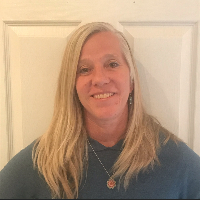
Oregon · 17 yrs exp
Practical, compassionate guidance for life challenges
Stress, Anxiety · Grief · Bipolar · Depression · +12 more
Read profile
Oregon · 10 yrs exp
Warm, collaborative therapist for life challenges
Stress, Anxiety · Addictions · Family · Trauma and abuse · +9 more
Read profile
Oregon · 14 yrs exp
Compassionate counselor for intimacy and life change
Addictions · LGBT · Intimacy-related issues · Depression · +14 more
Read profile
Oregon · 20 yrs exp
Compassionate, practical therapy for real-life change
Stress, Anxiety · Addictions · Trauma and abuse · Self esteem · +14 more
Read profile
Oregon · 26 yrs exp
Collaborative therapist for relationship and intimacy concerns
Stress, Anxiety · Relationship · Family · Parenting · +8 more
Read profile
Oregon · 4 yrs exp
Compassionate counselor focused on practical change
Relationship · Trauma and abuse · Intimacy-related issues · Self esteem · +5 more
Read profile
Oregon · 20 yrs exp
Therapist focused on sexual health and healing
Stress, Anxiety · Addictions · LGBT · Eating · +1 more
Read profileWhen you are thinking about reaching out for help with intimacy or sexual health concerns, you may be weighing emotional, relationship and physical factors at the same time. You might be dealing with changes in desire, differences between partners, performance anxiety, pain or discomfort during sex, or the emotional fallout from those difficulties. It helps to start by clarifying what matters most to you. Is your priority symptom relief, learning communication skills with a partner, exploring past experiences that affect current intimacy, or making sense of physical symptoms alongside medical evaluation? Being clear about your main concerns will make it easier to compare profiles and identify clinicians whose described focus areas match what you want to work on.
Keep in mind that profiles in this directory list areas of focus such as sexual dysfunction among additional focus areas; that listing does not indicate specialist certification, a specific therapeutic outcome, or automatic suitability for your situation. If you have physical symptoms like pain, numbness, or changes in sensation, it is appropriate to consult a medical provider to rule out or address physical causes before or alongside talking with a therapist. You can use what you learn from profiles to form questions and priorities to discuss with a clinician before deciding to begin work together.
This page groups profiles under the listed location Oregon, but that grouping is not evidence of an office, physical proximity, eligibility, or an active license in Oregon for every profile. You should check each individual profile for details about practice location, service areas, and whether the clinician has permission to work with people in the place where you live. Professional titles you see on profiles reflect academic degrees and, in some cases, licenses or registrations. Degrees such as PhD, PsyD, MD, MA, or MSW indicate an academic credential, while in the United States licenses such as those issued by state boards provide legal permission to practice in a particular scope. In the United Kingdom and Australia, clinicians may list professional registration or membership with governing bodies or associations; those terms differ from US licensing systems. A degree alone does not establish current permission to practice, and registration or membership terminology varies by country, so review profile entries carefully and ask clinicians directly about their current professional standing and the geographic areas where they are permitted to work.
You can use profiles to learn about the approaches clinicians mention and prepare specific questions to compare how a clinician frames their work. Rather than assuming any one approach will be used, ask how a clinician typically helps people with issues like desire differences, performance anxiety, or pain during sex. You might ask a clinician to describe their experience working with the particular issue you face, how they integrate conversations about relationships and emotion, and whether they collaborate with medical providers when physical factors are involved. If you see a reference to a modality you find interesting, such as a clinician listing EMDR among their approaches, ask what that looks like in practice for sexual health concerns and how they decide when to use different strategies.
It is also reasonable to inquire about the typical session focus in the early weeks, how therapy goals are set, and how you will know whether the approach is meeting your needs. If you are concerned about how a clinician works with partners, ask whether they include partners in sessions, how they manage differing goals between partners, and what alternative paths they offer when one partner does not attend. Profiles provide a starting point for these discussions, but clinicians are the source for details about how they would work with you.
Many clinicians list telehealth or online options on their profiles, but the logistics and limits of remote work vary. Before you begin, talk with a clinician about where they are permitted to provide care, how they verify that permission, and what to do in an emergency given your location. Confirm whether the clinician's practice covers the jurisdiction where you live and whether any in-person collaboration with a medical provider may be needed for physical symptoms. Discuss the practicalities of technology, what to expect if a session is interrupted, and how privacy is handled in the space where you will participate. If seeing a partner together is part of your plan, ask how the clinician manages joint sessions remotely versus in person and what preparation they recommend for both people.
You should also talk about boundaries and expectations for communication between sessions. Clarify how clinicians prefer to receive messages, how quickly they respond, and whether they use supported practice tools for records and billing. If you have accessibility needs or prefer communication in a language other than English, identify clinicians who list those languages or accommodations on their profiles. Having these practical conversations up front can help you focus on clinical work when you begin.
When you review profiles in the Oregon listing, pay attention to how clinicians describe their focus areas and the language they use about intimacy and sexual health. Some profiles emphasize desire differences and relationship communication, while others highlight work with pain, arousal concerns, or emotional factors. Consider whether a profile mentions work with individuals, partners, or a range of relationship configurations, and remember that a listed topic does not establish that the clinician treats children, couples, or families. Look for information on languages offered, clinical populations, and the types of concerns described to find profiles that match your priorities.
Style matters as much as credentials. Read a profile's description to get a sense of whether a clinician emphasizes education, skill-building, exploration of history, or collaboration with medical professionals. Compare academic degrees and any listed registrations or memberships, and when a profile references an approach, ask how that approach is used for the specific sexual health or intimacy issues you face. Ultimately, reach out to clinicians to ask focused questions about fit, scope of practice and permission to work together where you live. Those direct conversations, combined with careful reading of profiles, will help you make choices that align with your needs and comfort.
As you browse, remember that profiles are a tool to begin conversations. Use the listed information to prepare questions, check professional permissions for your location, and align your expectations with a clinician's described focus and style before beginning work together.
Attachment Issues
1486 therapists
Body Image
1323 therapists
Commitment Issues
1401 therapists
Communication Problems
1682 therapists
Coping with Life Changes
1488 therapists
Divorce
1564 therapists
Fertility Issues
751 therapists
Infidelity
1473 therapists
Relationship
1649 therapists
Self-Love
1641 therapists
Separation
1564 therapists