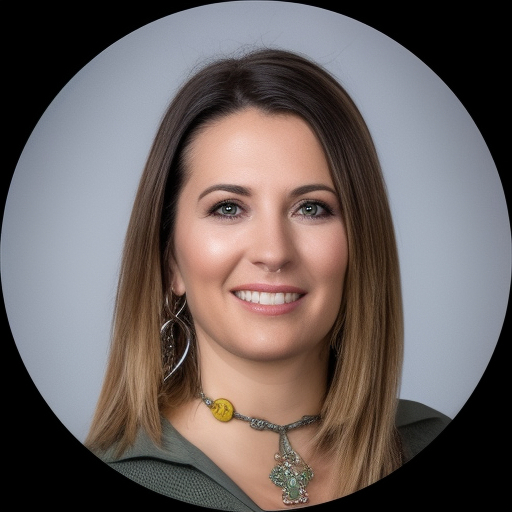
Monica Rawlings, LCMHC
Therapist in Utah
Compassionate, practical mental health support
Continue with MonicaReview online therapy options on BetterHelp.
Experience
10+ years
Credentials
LCMHC
Languages
English
Based in
Utah
- Attachment-informed
- Practical coping skills
- Affirming approach
About Monica
Her style is compassionate and straightforward. She centers conversations on what matters to each person, using clear tools and steady support rather than jargon. Sessions often focus on communication, self-worth, coping skills, and practical steps to reduce distress.
Monica uses a mix of approaches that include attachment-based work, client-centered methods, cognitive behavioral techniques, dialectical behavior skills, and existential themes. She adapts these approaches to the situation, helping people notice patterns, try new strategies, and build routines that work in daily life.
With ten years of experience, she has supported people through grief, trauma and abuse, body image issues, workplace stress, and major life transitions like divorce or midslife change. Monica also brings sensitivity to neurodivergent and LGBT experiences and to multicultural concerns.
Her practice emphasizes collaboration. Monica invites people to set goals, test what helps, and change course when needed. To begin, a short matching questionnaire is completed and scheduling follows based on availability.
Approaches that guide online work
Attachment-based work focuses on how early relationships shape current patterns. It helps people notice how they form closeness, manage conflict, and respond to feeling abandoned or disconnected. Client-centered therapy centers the person's own priorities and experiences. It uses listening, reflection, and gentle questions to help people clarify values and make choices that fit their life.Finding the right approach is often a process. Monica will collaborate with clients to pick methods that match their goals and preferences. She discusses options, tries techniques in-session, and adjusts the plan as needed so the work fits each person's pace and needs.
Online therapy can make it easier to fit sessions into a busy life by removing travel time and allowing more flexible scheduling. It can also allow shorter check-ins or sessions that work around errands or work breaks. Because specific session formats are not listed in the biography, confirm the available options before booking so arrangements match your needs and routine.
Areas of expertise
Primary focus
Also works with
Additional focus areas
Therapeutic approaches
License details
- LCMHC · Utah
- 9428480-6004
- NPI (National Provider Identifier)
- 1407365422
As listed on the therapist's professional profile. You can check these details with the relevant licensing board, professional body or registry.
Frequently asked questions
What concerns does Monica help with?
She works with a wide range of concerns including stress, anxiety, depression, addictions, trauma and abuse, relationship and intimacy-related issues, grief, body image, parenting strain, and ADHD.
What is her therapeutic style like?
Her approach is collaborative and person-centered, emphasizing practical coping skills, clearer communication, and steady emotional support rather than clinical jargon.
How much clinical experience does she have?
Monica has ten years of experience working with people through major life transitions, grief, trauma, and other mental health concerns.
What credentials and location are listed?
She holds the credential LCMHC, listed as UT LCMHC, and practices from Utah.
Which languages are supported and are international clients accepted?
Sessions are offered in English and Monica accepts international clients.
What session formats are offered?
Please confirm current session options before booking, as specific formats are not listed in the biography.
How does cost and billing work?
Cost varies with location and therapist availability; sessions use a subscription that can be canceled at any time.
How do I start a first session?
Use the Start Therapy button, complete a short matching questionnaire, and then schedule according to the therapist's availability.
Some intimacy concerns have a physical side. If you notice pain or other physical symptoms, please speak with a doctor as well. Therapy can sit alongside medical care, not replace it.