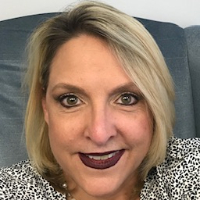
Susan Urtz, LMHC, LCMHC
Therapist in Florida
Practical, steady therapy for life changes
Continue with SusanReview online therapy options on BetterHelp.
Experience
25+ years
Credentials
LMHC, LCMHC
Languages
English
Based in
Florida
- Goal oriented
- Compassionate support
- Practical tools
About Susan
She works with individuals and with couples, and draws on a mix of approaches to fit each person's needs. Susan emphasizes compassion and respects different backgrounds and life experiences. Her work often centers on clear goals and small changes that add up over time.
Susan commonly uses cognitive behavioral ideas to help people notice unhelpful thoughts and test different ways of responding. She blends this with mindfulness practices to help clients build calm and focus in daily life. Acceptance and Commitment Therapy ideas are introduced when people want to clarify values and take meaningful steps toward them.
Sessions typically look like a conversation about what's happening now, what has been tried, and what might help next. Susan prefers collaborative planning so clients leave with one or two specific actions to practice. She also supports people dealing with grief, trauma, addiction concerns, caregiver stress, blended family issues, and sexual dysfunction concerns.
If someone is ready for change, Susan offers steady support and practical techniques to move forward. Prospective clients should complete the site's Start Therapy process to be matched and schedule an initial session.
Therapeutic approaches and how online work can fit
Acceptance and Commitment Therapy (ACT) helps people clarify what matters to them and take actions that match those values. It is useful when someone wants direction for meaningful change despite difficult thoughts or feelings. Cognitive Behavioral Therapy (CBT) focuses on identifying unhelpful thoughts and testing new behaviors to reduce symptoms like anxiety or low mood. This approach often includes simple exercises and behavioral experiments between sessions. Mindfulness Therapy teaches attention and grounding skills to reduce reactivity and increase focus, which can help with stress, emotional regulation, and chronic pain.Susan views finding the right approach as a shared process. She will work with each person to match methods to their goals and preferences, trying practical steps and adjusting based on what helps. The plan evolves as progress and obstacles become clearer.
If you are considering online work, confirm current session options before booking since formats are not specified here. Many people appreciate online sessions for fitting therapy into a busy life - they can make it easier to schedule appointments around work, reduce travel time, and allow shorter check-ins when needed. Discussing session length and timing during the match process helps make therapy realistic for everyday routines.
Areas of expertise
Primary focus
Also works with
Additional focus areas
Therapeutic approaches
License details
- LMHC · Florida
- MH5870
- LCMHC · North Carolina
- 16521
- LCMHC · Vermont
- 068.0134361
- NPI (National Provider Identifier)
- 1275758864
As listed on the therapist's professional profile. You can check these details with the relevant licensing board, professional body or registry.
Frequently asked questions
What kinds of concerns does this therapist address?
Susan works with a wide range of issues including stress, anxiety, relationship problems, low self-esteem, depression, ADHD, addictions, grief, trauma and sexual dysfunction concerns.
How would you describe the therapy style here?
The approach is practical and collaborative. Sessions focus on clear goals, small steps, and techniques you can use between appointments.
What is Susan's professional background?
She has over 25 years of counseling experience and has worked with individuals, couples, and family systems.
What credentials and location are listed for the therapist?
Credentials shown are LMHC and LCMHC, licensed in Florida and Vermont, and her practice is listed in Florida.
Which languages are supported for sessions?
Sessions are offered in English.
Are international clients accepted?
International clients are not currently accepted.
How does cost work for sessions?
Fees vary with location and therapist availability; sessions use a subscription that can be canceled at any time.
How do I begin working with this therapist?
Use the Start Therapy button, complete a short matching questionnaire, and schedule according to therapist availability.
Some intimacy concerns have a physical side. If you notice pain or other physical symptoms, please speak with a doctor as well. Therapy can sit alongside medical care, not replace it.