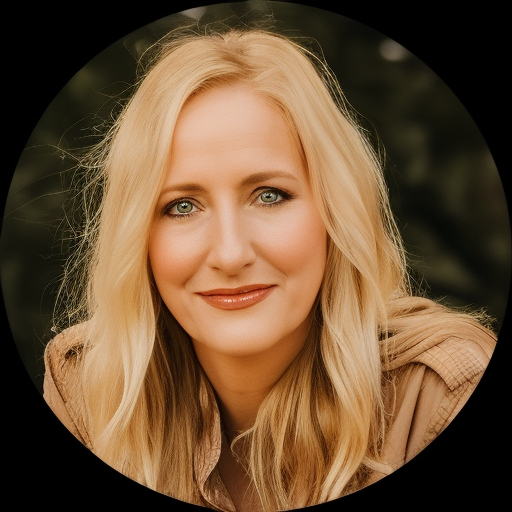
Sally Smith, LPC
Therapist in Texas
Compassionate counselor focused on practical growth
Continue with SallyReview online therapy options on BetterHelp.
Experience
4+ years
Credentials
LPC
Languages
English
Based in
Texas
- Client-centered
- Goal-oriented
- Action focused
About Sally
Sally frames sessions as a chance to talk through pressing problems and to find workable tools. She often blends cognitive behavioral ideas with acceptance-based strategies to help with worry, negative self-talk, and unhelpful habits. Motivational interviewing and solution-focused techniques are used when people want to set goals and make concrete changes.
Common concerns she addresses include attachment issues, communication problems, commitment struggles, and blended family tensions. She also supports people coping with chronic illness, caregiver stress, body image concerns, and recovery from drug or alcohol problems.
Sessions aim to map where someone is now and what small steps feel doable next. Sally listens for patterns and offers exercises you can use between sessions to build momentum. The pace is collaborative, and she adjusts methods to match each person's goals.
People can expect a direct but empathetic style that balances exploration with action. Sally works in English and practices in Texas. To begin, prospective clients follow the site’s match and scheduling steps to connect and plan initial sessions.
How these approaches guide online work
Sally often uses Acceptance and Commitment Therapy, which helps people notice unhelpful thoughts and choose actions that match their values. ACT can be useful for anxiety, stress, and situations where values-based change matters.She also draws on Cognitive Behavioral Therapy, which looks at the links between thoughts, feelings, and behaviors. CBT is helpful for tackling worry, negative self-talk, and developing practical coping skills.
Finding the right approach is part of the work. Sally will collaborate with each person to decide which methods fit their goals and preferences. That decision can change over time as needs shift and progress is made.
If you are considering online therapy, check the session options before booking since formats are not listed in the biography. Online work can make it easier to fit appointments into a busy week, reduce travel time, and allow shorter check-ins when needed. It also lets a therapist and client practice new skills between sessions in real-life contexts. Ask about session length and timing during the match process so you can plan what will fit your routine.
Areas of expertise
Primary focus
Additional focus areas
Therapeutic approaches
License details
- LPC · Texas
- 90085
- NPI (National Provider Identifier)
- 1629795638
As listed on the therapist's professional profile. You can check these details with the relevant licensing board, professional body or registry.
Frequently asked questions
What kinds of problems does this therapist help with?
Sally works with stress, anxiety, relationship worries, low self-esteem, and career-related concerns. She also addresses attachment issues, body image, chronic illness or pain, and substance recovery.
What is the therapy style in sessions?
Sessions are client-centered and practical. Sally mixes acceptance-based ideas, cognitive techniques, and solution-focused tools to set goals and build skills.
How much experience does the therapist have?
She has four years of experience as a practicing clinician. That experience has included work with people facing life transitions and workplace challenges.
What credentials and location are listed for this therapist?
The therapist holds the LPC credential, listed as TX LPC, and practices in Texas.
Which languages are supported and are international clients served?
Sessions are offered in English. International clients are not currently accepted.
What session formats are available?
Session formats are not specified in the biography. Please confirm current session options before booking to ensure they meet your needs.
How does pricing work for sessions?
Cost varies with location and therapist availability. Sessions use a subscription that can be canceled at any time.
How do I get started with therapy here?
Select the Start Therapy button, complete the short matching questionnaire, and schedule according to therapist availability to set up an initial session.
Some intimacy concerns have a physical side. If you notice pain or other physical symptoms, please speak with a doctor as well. Therapy can sit alongside medical care, not replace it.