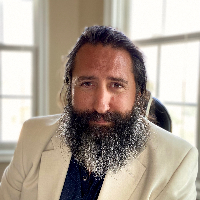
Prof. Randolph (Randy) Beasley, LMFT
Therapist in California
Experienced LMFT focused on practical progress
Continue with RandolphReview online therapy options on BetterHelp.
Experience
5+ years
Credentials
LMFT
Languages
English
Based in
California
- Goal oriented
- Relationship focused
- Practical strategies
About Randolph
He holds a Master of Arts in Marriage and Family Therapy from Touro University. Earlier studies include a Bachelor of Science in Business from Biola University and a Master of Theology from Liberty University. Before shifting to clinical work he served as a pastor and camp director, roles that shaped his skills in teaching and program development.
Randy offers a goal-oriented, client-centered style. He works with people on stress, anxiety, relationship and intimacy-related issues, depression, bipolar concerns, addictions, trauma, grief, parenting and career strain among other areas. He also focuses on issues such as abandonment, codependency, body image, blended family concerns, and fatherhood issues.
In session he uses solution-focused work, cognitive behavioral techniques, existential ideas, and the Gottman Method to identify patterns and try practical steps forward. He emphasizes setting goals together and testing changes in thinking and behavior to influence mood and functioning.
Randy’s background includes work in community clinics, substance use treatment settings, a state hospital, and jails. He has experience with foster services, wraparound programs, competency restoration, crisis intervention training, and facilitating motivational values assessments. He aims to join clients in facing fear and taking responsibility as part of lasting change.
How his approaches fit into online therapy
Client-Centered Therapy focuses on listening and understanding a person's experience so goals reflect what matters most to them. It helps when someone needs a supportive space to make sense of feelings and decide what matters next.Cognitive Behavioral Therapy (CBT) looks at links between thoughts, behaviors, and feelings and uses practical exercises to change unhelpful patterns. It can be helpful for anxiety, depression, stress, and many everyday problems.
Dialectical Behavior Therapy (DBT) adds skills for managing strong emotions and improving relationships, teaching calm, focus, and better ways to respond under stress.
Finding the right approach is something to do together. The therapist will work with each person to try methods that match their goals and preferences and adjust as needed over time.
Online sessions can make it easier to fit therapy into a busy life by removing travel time and allowing appointments from different locations. They can also let someone choose a shorter check-in or a camera-off option when that helps them stay engaged. Confirm the exact session formats available before booking to know what will work best.
Areas of expertise
Primary focus
Also works with
Additional focus areas
Therapeutic approaches
License details
- LMFT · California
- 120092
- LMFT · Alaska
- 207210
- NPI (National Provider Identifier)
- 1992103170
As listed on the therapist's professional profile. You can check these details with the relevant licensing board, professional body or registry.
Frequently asked questions
What concerns does this therapist address?
He helps people with stress, anxiety, relationship and intimacy-related issues, depression, bipolar concerns, addictions, trauma and grief among other topics.
How would you describe his therapy style?
He uses a client-centered, goal-oriented approach that emphasizes practical steps and testing new ways of thinking and behaving.
What is his professional background?
He worked previously as a pastor and camp director and has experience in community clinics, substance use treatment, a state hospital, and jail settings.
What credentials and region are associated with this clinician?
He is an LMFT licensed in Alaska and California and practices from California.
Which languages are supported in sessions?
Sessions are offered in English and international clients are accepted.
What session formats are offered?
Please confirm current session options before booking to know which session formats are available.
How are fees and payments handled?
Cost varies with location and therapist availability; sessions use a subscription that can be canceled at any time.
How do I begin working with this therapist?
Select the Start Therapy button, complete a short matching questionnaire, and schedule according to the therapist's availability.
Some intimacy concerns have a physical side. If you notice pain or other physical symptoms, please speak with a doctor as well. Therapy can sit alongside medical care, not replace it.