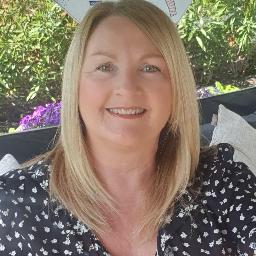
Paula Appleton, BACP, NCPS
Therapist in United Kingdom
Integrative counsellor for emotional and intimacy challenges
Continue with PaulaReview online therapy options on BetterHelp.
Experience
14+ years
Credentials
BACP, NCPS
Languages
English, American Sign Language
Based in
United Kingdom
- Practical step focused
- Works with trauma
- ASL and SSE capable
About Paula
She makes sessions practical and down to earth. Conversations focus on what is happening now and on small steps people can try between meetings. Paula draws on approaches such as Acceptance and Commitment Therapy, Cognitive Behavioural Therapy and Attachment-Based ideas to shape the work.
Paula also works with addiction, bereavement, trauma and issues linked to self-esteem and parenting. She is experienced in supporting people with neurodiversity, chronic health concerns and caring responsibilities. Her practice includes work with LGBT clients and those coping with major life changes.
She can communicate using English and American Sign Language and is experienced in working with Deaf and hard of hearing clients, including use of Signed Supported English and British Sign Language at NVQ Level 6. Paula works with people across the United Kingdom and accepts international clients where appropriate.
To begin, people complete a short matching questionnaire and then schedule sessions according to the therapist's availability. Sessions are arranged via a subscription model that can be cancelled at any time.
Therapeutic approaches you can use online
Acceptance and Commitment Therapy (ACT) helps people notice difficult thoughts and feelings without getting stuck in them, then choose actions that match their values. It can help with anxiety, stress and making life changes. Cognitive Behavioural Therapy (CBT) focuses on how thoughts, feelings and behaviours interact and works by trying small, structured changes to ease symptoms such as low mood, worry or problems with sleep. Attachment-Based Therapy pays attention to how early relationships shape current patterns and can help people understand and change painful ways of relating or coping.Finding the right approach is part of the work. The therapist will help you and her decide together which methods fit your goals, needs and preferences. That choice can change over time as the work develops and new priorities emerge.
The original profile does not list session formats, so please confirm current online options before booking. Online therapy can make it easier to fit sessions into everyday life by removing travel, allowing shorter check-ins during the day, or reducing the need to be on camera when that helps. Many people find that remote sessions make it simpler to keep continuity while juggling work, caregiving and other commitments, and therapists who work with registered or accredited professionals will adapt tools from ACT, CBT and attachment work for the online setting.
Areas of expertise
Primary focus
Also works with
Additional focus areas
Therapeutic approaches
Registration details
- BACP · United Kingdom
- 191689
- NCPS · United Kingdom
- NCS22-02588
As listed on the therapist's professional profile. You can check these details with the relevant licensing board, professional body or registry.
Frequently asked questions
What types of concerns does Paula address?
She helps with stress, anxiety, depression, addictions, intimacy-related issues and a wide range of other concerns listed on her profile.
How would you describe her therapeutic style?
Her style is integrative and practical, blending approaches to suit each person and focusing on small, usable steps between sessions.
What is her background and experience?
Paula has 14 years of counselling experience working with diverse presenting issues and tailoring therapy to individual needs.
Which credentials and location are listed for this counsellor?
She is listed with BACP and NCPS and practises from the United Kingdom.
In what languages can sessions be held?
Sessions are offered in English and American Sign Language; she also uses Signed Supported English and British Sign Language at NVQ Level 6.
What session formats are available?
The original biography does not specify session formats. Please confirm current session options when booking.
How are sessions paid for and what does it cost?
Sessions use a subscription that can be cancelled at any time; specific costs vary with location and the therapist's availability.
How do I get started with Paula?
Select the Start Therapy button, complete a short matching questionnaire, and schedule sessions according to the therapist's availability.
Some intimacy concerns have a physical side. If you notice pain or other physical symptoms, please speak with a doctor as well. Therapy can sit alongside medical care, not replace it.