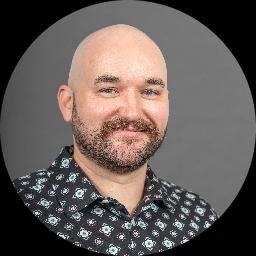
Nicholas Chamberlain, LCSW
Therapist in North Carolina
Sensitive LCSW focused on practical change
Continue with NicholasReview online therapy options on BetterHelp.
Experience
11+ years
Credentials
LCSW
Languages
English
Based in
North Carolina
- Client-centered
- CBT-based
- Nonjudgmental
About Nicholas
Before his current role he provided services across psychiatric hospitals, day treatment programs, group homes, in-home therapy, and outpatient settings. That variety shaped his practical approach to common concerns such as stress, anxiety, anger, low self-esteem, attention-deficit hyperactivity disorder (ADHD), and relationship struggles. The profile also lists work touching issues like attachment, body image, chronic illness, and kink-related topics.
Nicholas uses client-centered methods that focus on the person’s own goals and pacing. He also draws on cognitive behavioral ideas to help identify and change a pattern of thoughts or behaviors that get in the way. Sessions are conversational and aimed at useful takeaways people can try between meetings.
He currently works full time as a clinical assessor for children and adolescents in North Carolina. That role builds on his earlier direct-care experience with young people and families, though the profile does not state specific session formats or settings for private practice. Readers should confirm current session options before booking.
Outside work he is married, spends time with pets, and enjoys live music and outdoor activities around the state. His personal interests inform a relaxed, down-to-earth style in session.
How client-centered and CBT ideas guide online work
Client-Centered Therapy emphasizes listening and following the person’s lead. The therapist focuses on understanding what the client is trying to say and creating a supportive space where goals come from the client. This approach helps when someone needs time to figure out feelings or priorities.Cognitive Behavioral Therapy, or CBT, focuses on patterns of thinking and behavior that cause problems. It breaks concerns into steps so people can try practical changes and track results. CBT can be useful for stress, anxiety, anger, and low self-esteem when people want concrete strategies.
Choosing the right approach is a collaborative process. The therapist will work with each person to decide which methods fit their needs, goals, and preferences, and adjust the approach over time. That means techniques may shift as progress and priorities become clearer.
Because the original biography does not specify session formats, confirm current session options before booking. Online work can make it easier to fit therapy into a busy life by removing travel time and allowing sessions to be scheduled around work or family obligations. It also supports shorter check-ins or sessions that do not require being on camera, which can be helpful when bandwidth or time is limited. Licensed professionals generally find online sessions effective for many concerns when the method and scheduling fit the person’s situation.
Areas of expertise
Primary focus
Additional focus areas
Therapeutic approaches
License details
- LCSW · North Carolina
- C010562
- NPI (National Provider Identifier)
- 1417352329
As listed on the therapist's professional profile. You can check these details with the relevant licensing board, professional body or registry.
Frequently asked questions
What concerns does Nicholas commonly address?
He works with stress, anxiety, anger, low self-esteem, ADHD, and relationship concerns. The profile also lists additional focuses like attachment issues, body image, chronic illness, and kink-related topics.
What is his therapy style like?
Sessions are conversational and person-focused, emphasizing the client’s goals and pace. Practical strategies from cognitive behavioral approaches are used when helpful.
How much experience does he have?
He has 11 years of professional experience in a variety of settings including psychiatric hospitals, day treatment, group homes, in-home services, and outpatient care.
What are his credentials and where is he located?
He holds the LCSW credential and practices in North Carolina. The profile states the license as NC LCSW.
Which languages are supported?
Sessions are offered in English.
Can people outside the U.S. work with him?
He is not currently working with international clients.
How are fees handled?
Cost varies with location and therapist availability; sessions use a subscription that can be canceled at any time.
How do I begin a therapy match?
Start by selecting the Start Therapy button, complete a short matching questionnaire, and then schedule according to the therapist’s availability.
Some intimacy concerns have a physical side. If you notice pain or other physical symptoms, please speak with a doctor as well. Therapy can sit alongside medical care, not replace it.