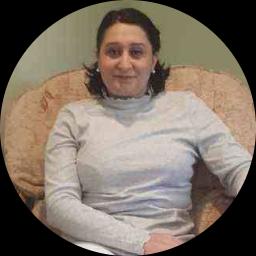
Nadezda Georgiou, BACP, NCPS
Therapist in United Kingdom
Compassionate counselling for life’s difficult moments
Continue with NadezdaReview online therapy options on BetterHelp.
Experience
8+ years
Credentials
BACP, NCPS
Languages
English
Based in
United Kingdom
- Practical coping steps
- Explores relationship patterns
- Trauma aware approach
About Nadezda
With eight years of experience, Nadezda uses a mix of approaches to suit where someone is at. She draws on Acceptance and Commitment Therapy to help people notice difficult thoughts and still take meaningful action. She works with attachment ideas to look at repeating patterns in relationships and how the past shows up now. She also uses client-centred and cognitive behavioural methods to focus on the present and practical steps that make a difference.
Her background includes a BA (Hons) in Psychosocial and Psychoanalytic Studies and an accredited diploma in Post-Traumatic Stress Disorder. She is registered with BACP and NCPS, and practises in the United Kingdom.
In sessions she encourages people to speak as they feel able and to try out small changes between meetings. Conversations may examine past patterns and link them to current behaviour. The emphasis is on collaboration rather than instruction.
Nadezda supports people working through a broad range of concerns beyond core issues such as abandonment, caregiver stress, chronic illness, codependency, commitment or communication problems. She can also help with grief, depression and the emotional impact of illness or ageing.
How her approaches translate to online work
Nadezda commonly uses Acceptance and Commitment Therapy and Attachment-Based ideas in her practice. Acceptance and Commitment Therapy helps people notice painful thoughts and feelings without getting stuck in them, and supports taking small steps towards what matters. Attachment-Based work looks at recurring relationship patterns and how early experiences influence current connections, which can be useful when relationship issues are causing distress.Finding the right approach is part of the work together. She will talk with each person about their goals, preferences and what has or hasn’t helped before. That means therapy can be adjusted over time so sessions focus on practical tools, exploring past patterns, or both, depending on what the client needs.
If you are considering online sessions, check the current session options before booking as formats are not specified here. Online work can make it easier to fit meetings into a busy week, reduce travel time, and allow shorter check-ins when life is hectic. It also means people can try different ways of working and then decide which style and pace suit them best.
Areas of expertise
Primary focus
Additional focus areas
Therapeutic approaches
Registration details
- BACP · United Kingdom
- 374919
- NCPS · United Kingdom
- NCS23-00982
As listed on the therapist's professional profile. You can check these details with the relevant licensing board, professional body or registry.
Frequently asked questions
What kinds of problems does she help with?
She works with stress, anxiety, relationship difficulties, trauma and abuse, grief and depression, plus related concerns such as abandonment, caregiver strain, chronic illness, codependency and communication problems.
What is her general therapeutic style?
The approach is collaborative and respectful, combining present-focused techniques with exploration of past patterns. Sessions balance practical coping steps and deeper exploration of how past experiences affect current behaviour.
How long has she been practising?
She has eight years of experience working with people on a range of emotional and relational issues.
What credentials and region does she hold?
She holds a BA (Hons) in Psychosocial and Psychoanalytic Studies, an accredited diploma in Post-Traumatic Stress Disorder, and is listed with BACP and NCPS in the United Kingdom.
Which languages are supported for sessions?
Sessions are offered in English.
Can people outside the UK work with her?
International clients are not currently accepted; she works with people based in the United Kingdom.
How are sessions charged?
Cost varies with location and therapist availability, and sessions use a subscription that can be cancelled at any time.
What do I need to do to begin?
Use the Start Therapy button, complete a short matching questionnaire, and then schedule sessions according to the therapist's availability.
Some intimacy concerns have a physical side. If you notice pain or other physical symptoms, please speak with a doctor as well. Therapy can sit alongside medical care, not replace it.