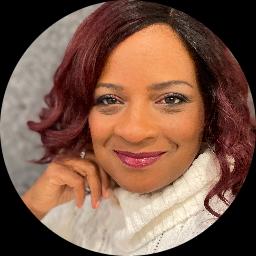
Marcia Williams, LPC
Therapist in Georgia
Relationship-focused counselor offering practical support
Continue with MarciaReview online therapy options on BetterHelp.
Experience
20+ years
Credentials
LPC
Languages
English
Based in
Georgia
- Client-centered approach
- Trauma-informed care
- Practical coping skills
About Marcia
She creates a calm, nonjudgmental space where clients can talk through hard feelings and confusing patterns. Sessions focus on practical steps people can try between meetings. Marcia blends conversational listening with structured tools so clients leave with clear next steps.
Marcia uses Client-Centered Therapy to follow what a person brings to the room and to prioritize their goals. She pairs that with Cognitive Behavioral Therapy techniques to identify unhelpful thoughts and test new behaviors. When trauma is present she incorporates Trauma-Focused Therapy and mindfulness practices to help process difficult memories and reduce overwhelm.
Her approach is collaborative and straightforward. She works with each person to set small, realistic goals and checks progress regularly. Marcia encourages curiosity about patterns such as dependency, jealousy, or difficulty committing, and she offers coaching-style guidance when helpful.
Marcia works with individuals and couples to navigate conflict and healing. People who want clear communication skills, better emotional regulation, or to recover after betrayal often find this practical style useful. She welcomes clients who speak English and those reaching her from outside the United States.
How Marcia’s approaches translate to online work
Client-Centered Therapy focuses on following the client’s concerns and priorities. In practice this means the therapist listens first, reflects back what she hears, and helps clients name goals that matter to them. This approach is helpful for relationship and life-change work where personal goals guide the pace.Cognitive Behavioral Therapy (CBT) breaks problems into thoughts, feelings, and actions. Marcia uses CBT tools to help people test unhelpful beliefs and try new behaviors between sessions. That method is often useful for anxiety, depression, and stress-related concerns.
Trauma-Focused Therapy helps people process painful memories and reduce triggers. When trauma shows up in relationships or daily life, this work pairs well with mindfulness to build calm and coping skills.
Finding the right approach is part of the work together. Marcia will talk with clients about their needs, goals, and preferences, then choose methods that fit. Clients often try a mix of approaches and adjust based on what helps most.
Confirm the available session options before booking, as the biography does not list specific formats. Many people find online sessions easier to fit into a busy week, useful for brief check-ins, or better when a quieter space is needed. Licensed professionals can adapt CBT worksheets, mindfulness practices, and trauma processing to an online setting so clients keep making steady progress without major disruption to daily life.
Areas of expertise
Primary focus
Also works with
Additional focus areas
Therapeutic approaches
License details
- LPC · Georgia
- LPC003982
- NPI (National Provider Identifier)
- 1376255455
As listed on the therapist's professional profile. You can check these details with the relevant licensing board, professional body or registry.
Frequently asked questions
What kinds of concerns can Marcia help with?
She supports people with relationship and intimacy issues, trauma and abuse, anxiety, depression, grief, stress, and parenting strain. Additional focuses include codependency, infidelity, communication problems, and narcissistic abuse.
How would you describe her therapeutic style?
Her style is collaborative and down-to-earth. She listens closely, then combines conversational support with practical tools and measurable steps.
What is her background and experience?
She holds an LPC license and has practiced for 20 years, working with individuals and couples on relationship, trauma, and mood concerns.
Where is she licensed and based?
She is licensed as an LPC in Georgia and provides services from that location.
Which languages are supported for sessions?
Sessions are offered in English and she also accepts clients from outside the United States.
What session formats are available?
The biography does not list specific session formats; please confirm the current session options when you schedule.
How is cost handled for sessions?
Cost varies with location and therapist availability, and sessions use a subscription that can be canceled at any time.
How do I begin working with her?
Select the Start Therapy button, complete a short matching questionnaire, and schedule according to therapist availability.
Some intimacy concerns have a physical side. If you notice pain or other physical symptoms, please speak with a doctor as well. Therapy can sit alongside medical care, not replace it.