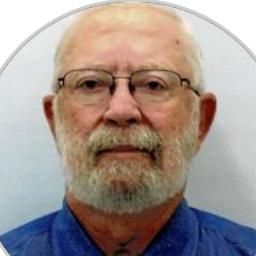
Louis Koch, LSCSW, LCSW
Therapist in Kansas
Experienced social worker focused on practical change
Continue with LouisReview online therapy options on BetterHelp.
Experience
40+ years
Credentials
LSCSW, LCSW
Languages
English
Based in
Kansas
- 40 years experience
- Client-centered approach
- Works with intimacy issues
About Louis
In sessions he creates an open, nonjudgmental space where thoughts and feelings can be talked through. He listens first and then partners with people to set practical goals. His work often involves identifying patterns, building coping skills, and trying small changes between meetings.
Louis draws on client-centered methods alongside cognitive behavioral and emotionally focused approaches. He uses those tools to help people understand and change unhelpful thinking, strengthen emotional connection, or clarify personal values. He also draws from dialectical and existential ideas when feeling regulation or meaning are central concerns.
Clients bring many kinds of challenges, from grief and trauma to sleep and eating problems, anger, or work stress. He also supports people dealing with ADHD, compassion fatigue, or the effects of major life changes. He encourages practical steps people can use day to day.
Therapy with him is collaborative and paced to each person's needs. He works in plain language and focuses on what will make life feel more manageable. To begin, people choose the Start Therapy button and complete a short matching questionnaire.
Therapeutic approaches for online work
Louis often uses client-centered therapy to help people feel heard and accepted; this approach focuses on understanding a person's concerns and building goals together. Cognitive Behavioral Therapy, or CBT, targets patterns of thinking and behavior and helps people try practical changes that reduce anxiety or improve mood.Finding the right approach is part of the work. He will collaborate with each person to choose methods that fit their needs, goals, and preferences. That process can include mixing approaches as situations change and new priorities emerge.
The original biography does not list specific online session formats, so confirm the available options before booking. Online work can make fitting sessions into a busy life easier, allow shorter check-ins when needed, and reduce travel time. It can also let people try therapy without changing their daily routine, while the therapist and client figure out a plan that suits schedules and goals.
Areas of expertise
Primary focus
Also works with
Additional focus areas
Therapeutic approaches
License details
- LSCSW · Kansas
- LSCSW 0278
- LCSW · Missouri
- 002911
- NPI (National Provider Identifier)
- 1386855831
As listed on the therapist's professional profile. You can check these details with the relevant licensing board, professional body or registry.
Frequently asked questions
What kinds of concerns does Louis address?
He helps people with stress, anxiety, addictions, relationship and intimacy-related issues, depression, trauma and many related concerns listed in his profile.
How would you describe his therapy style?
He creates an open, nonjudgmental space and listens first. Sessions focus on practical goals, coping skills, and small changes between meetings.
What background does he bring to sessions?
He brings 40 years of professional experience and a long history of working with diverse issues such as grief, addiction, and LGBT-related concerns.
What credentials and location are on record?
He holds KS LSCSW and MO LCSW credentials and practices from Kansas with licensure noted in Missouri as described.
Which languages are supported for sessions?
Sessions are offered in English.
What session formats are available?
The original biography does not specify session formats; please confirm current session options before booking.
How is cost handled for sessions?
Cost varies with location and therapist availability; sessions use a subscription that can be canceled at any time.
How do I begin working with him?
Select the Start Therapy button, complete a short matching questionnaire, and schedule according to therapist availability.
Some intimacy concerns have a physical side. If you notice pain or other physical symptoms, please speak with a doctor as well. Therapy can sit alongside medical care, not replace it.