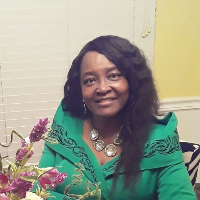
Linda Allen, LMHC
Therapist in Florida
Calm practical therapy for life’s challenges
Continue with LindaReview online therapy options on BetterHelp.
Experience
20+ years
Credentials
LMHC
Languages
English
Based in
Florida
- Client-centered focus
- Practical coping tools
- Experience with families
About Linda
Her background includes a Master’s degree in Counseling from Nova Southeastern University and many years working in child welfare roles such as foster care worker and protective investigator. That work gave her a lot of firsthand experience with family conflict, dependency, and trauma-related concerns.
In session she adapts her methods to each person’s needs. She draws heavily on client-centered work and cognitive behavioral ideas, and also uses techniques from acceptance and attachment-informed approaches. Sessions focus on practical steps, clearer communication, and manageable coping skills.
Linda has experience collaborating with courts, schools, and community providers when that’s helpful for a person’s progress. She also brings experience helping with adoption and foster care issues, attachment concerns, blended family dynamics, and divorce or separation challenges.
People who work with her can expect straightforward discussions about patterns, concrete tools for change, and attention to the real-life pressures that make it hard to follow through. She encourages honest conversations and supports people in finding the next actionable step toward feeling better.
How Linda’s approaches translate to online therapy
Acceptance and Commitment Therapy (ACT) focuses on clarifying values and taking small, meaningful actions toward them while learning to notice difficult thoughts without getting stuck. It can help with anxiety, depression, and motivation struggles. Cognitive Behavioral Therapy (CBT) looks at how thoughts, feelings, and actions influence each other and teaches practical skills to change unhelpful patterns. It is often used for anxiety, stress, and depression. Attachment-Based Therapy helps people understand relationship patterns that started early and how those patterns show up now; it can be useful for relationship challenges and family conflict.Finding the right approach is collaborative. The therapist will work with each person to choose methods that match their needs, goals, and preferences. Sessions often begin with an assessment of what matters most to the client and what small, realistic changes will help day to day.
The original biography did not list specific online formats, so confirm the available session types before booking. In general, online therapy can make it easier to fit appointments into a busy life, shorten travel time, and allow for brief check-ins when needed. It also makes working with a licensed professional in Florida possible from other locations, including international ones when arrangements permit. Discuss scheduling and format preferences during the matching and intake process to find what works best.
Areas of expertise
Primary focus
Additional focus areas
Therapeutic approaches
License details
- LMHC · Florida
- MH12627
- NPI (National Provider Identifier)
- 1700371861
As listed on the therapist's professional profile. You can check these details with the relevant licensing board, professional body or registry.
Frequently asked questions
What issues does she help with?
She helps people who are dealing with stress, anxiety, depression, relationship strain, addictions, and low self-esteem, plus related concerns like attachment issues and body image.
What is her general therapy style?
Her style is client-centered and adaptable. She blends techniques so sessions focus on practical steps and clearer communication.
How long has she practiced?
She has 20 years of professional counseling experience, including roles in foster care and child protective services.
What credentials does she hold and where is she based?
She holds the LMHC credential and practices in Florida.
Can I work with her if I live outside the US?
She accepts international clients and offers sessions to people who are located outside the United States.
What session formats are offered?
The original biography did not specify session formats. Please confirm current session options before booking.
How much do sessions cost?
Cost varies with location and the therapist’s scheduling; sessions use a subscription that can be canceled at any time.
How do I begin working with her?
Click the Start Therapy button, complete a short matching questionnaire, and then schedule according to therapist availability.
Some intimacy concerns have a physical side. If you notice pain or other physical symptoms, please speak with a doctor as well. Therapy can sit alongside medical care, not replace it.