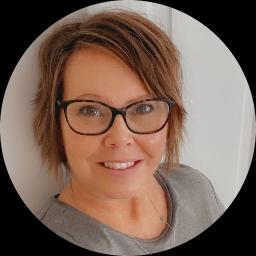
Leslie Caulder-Richardson, LCMHC
Therapist in North Carolina
Compassionate counselor for complex emotional challenges
Continue with LeslieReview online therapy options on BetterHelp.
Experience
8+ years
Credentials
LCMHC
Languages
English
Based in
North Carolina
- Collaborative approach
- Practical skills
- Trauma-informed
About Leslie
Her style is warm and collaborative. She focuses on short-term goals along with deeper emotional work when needed. Sessions aim to build practical skills for daily life, like managing panic, handling difficult conversations, or coping through loss.
Leslie draws on methods such as Acceptance and Commitment Therapy, cognitive behavioral techniques, mindfulness, client-centered listening, and solution-focused tools. She uses these approaches together to meet each person where they are and to develop clear, workable steps forward.
With eight years of experience, she brings steady clinical practice and an interest in personal growth and purpose. People who work with her can expect an attentive listener who helps them name patterns and try new behaviors.
Her practice emphasizes collaboration. Together clients and Leslie check what’s working, adjust strategies, and set understandable goals. Prospective clients should confirm current session options and scheduling before booking.
Therapeutic approaches and online care options
Leslie commonly uses Acceptance and Commitment Therapy, which helps people clarify what matters most and take action toward those values even when feelings are hard. She also uses Cognitive Behavioral Therapy to identify unhelpful thinking and test new behaviors that reduce distress. Mindfulness-based ideas are woven into sessions to help with stress, anxiety, and grounding during upsetting moments.Finding the right approach is part of the work. Leslie will collaborate with each person to decide which methods fit their goals, needs, and comfort level. Together they check what helps and adjust the plan as progress is made.
Session formats are not listed in the biography, so prospective clients should confirm current options before booking. Online therapy can make it easier to fit sessions into a busy life - for example, shorter check-ins can be scheduled during a break, or video conversations can let someone keep working on skills without extra travel time. Licensed professionals and therapists use these flexible approaches to make therapy more practical for everyday routines.
Areas of expertise
Primary focus
Additional focus areas
Therapeutic approaches
License details
- LCMHC · North Carolina
- 13480
- NPI (National Provider Identifier)
- 1013429547
As listed on the therapist's professional profile. You can check these details with the relevant licensing board, professional body or registry.
Frequently asked questions
What concerns does Leslie help with?
She supports people with stress, anxiety, depression, bipolar disorder, trauma and abuse, and grief. She also works with related issues like attachment, abandonment, body image, communication problems, and challenges tied to chronic illness.
How would you describe her therapy style?
Her style is compassionate and collaborative. She mixes practical skill-building with deeper emotional exploration depending on a person's needs.
What is her background and experience?
She has eight years of clinical experience supporting clients through life transitions, trauma, and mood concerns. That experience informs a steady, goal-oriented approach.
What credentials and location apply to this clinician?
Leslie holds the LCMHC credential and practices in North Carolina. The listing uses the credential exactly as provided.
Which languages are sessions offered in?
Sessions are offered in English.
Can people outside the United States work with her?
International clients are not currently accepted.
How are fees and payment handled?
Cost varies with location and therapist availability. Sessions use a subscription that can be canceled at any time.
How do I begin working with this therapist?
Select the Start Therapy button, complete a short matching questionnaire, and schedule according to therapist availability.
Some intimacy concerns have a physical side. If you notice pain or other physical symptoms, please speak with a doctor as well. Therapy can sit alongside medical care, not replace it.