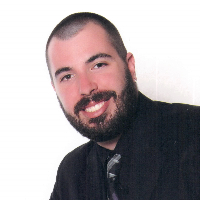
Lee Schlanger, LMHC
Therapist in Florida
Warm, practical counseling for emotional struggles
Continue with LeeReview online therapy options on BetterHelp.
Experience
5+ years
Credentials
LMHC
Languages
English
Based in
Florida
- Supportive connection
- Emotion-focused work
- Practical skills
About Lee
Lee builds a calm, nonjudgmental space for people to describe what they are feeling. He begins by connecting and identifying the main concerns. Then he helps clients name the feelings and understand what keeps those patterns going. Sessions emphasize emotional processing and clear steps forward rather than jargon.
His approach combines several evidence-based methods to match what each person needs. Lee uses attachment-based ideas to look at how past relationships shape present problems. He also draws on cognitive behavioral tools to spot unhelpful thoughts and on emotion-focused techniques to deepen emotional awareness. Dialectical behavior strategies are used when people need practical skills for managing intense emotions.
Lee has experience supporting people through substance recovery, anger management, parenting and family concerns, ADHD-related struggles, and the aftermath of abuse or loss. He also addresses issues like body image, codependency, communication problems, and caregiver stress. He has worked in clinical settings since 2017 and now practices from Florida.
Sessions are offered in English and Lee is open to working with international clients. To start, people use the site matching process to find him and schedule a first meeting. Lee emphasizes collaboration, respect, and steady emotional work throughout therapy.
How therapy approaches translate to online care
Attachment-Based Therapy looks at how early relationships influence current feelings and reactions. Online sessions using this approach help people notice patterns in relationships and try new ways of connecting and responding. Cognitive Behavioral Therapy, or CBT, focuses on how thoughts, feelings, and behaviors link together; in remote sessions a therapist helps identify unhelpful thinking and practices small behavioral changes to reduce anxiety or low mood.Finding the right approach is a team effort. The therapist will talk with you about your goals and preferences and recommend which methods to try first. Plans are adjusted as therapy progresses so the work stays practical and relevant to your life.
The biography notes tele-mental health experience, but specific session types should be confirmed before booking. Online therapy can make it easier to fit counseling into busy schedules, cut travel time, allow shorter check-ins when needed, and offer options for people living outside the therapist's immediate area. Lee will work with clients to set a session rhythm that fits daily routines and supports steady progress.
Areas of expertise
Primary focus
Also works with
Additional focus areas
Therapeutic approaches
License details
- LMHC · Florida
- MH18548
- NPI (National Provider Identifier)
- 1346866035
As listed on the therapist's professional profile. You can check these details with the relevant licensing board, professional body or registry.
Frequently asked questions
What concerns does Lee help with?
He supports people with stress, anxiety, depression, grief, trauma, addictions, intimacy-related issues, parenting and family concerns, and related problems such as anger, body image, and codependency.
What is his therapeutic style like?
His style is warm, inviting, and nonjudgmental, focusing on emotional processing and building a collaborative relationship to identify and address main concerns.
How much clinical experience does he have?
He has worked as a mental health counselor since 2017, bringing five years of professional experience to his practice.
What credential does he hold and where is he based?
He is a Florida Licensed Mental Health Counselor (LMHC) and practices from Florida.
Which languages are sessions offered in?
Sessions are offered in English and he also accepts international clients.
What session formats are available?
The original biography notes tele-mental health experience; please confirm current session formats before booking so you know which options are offered.
How does cost and billing work?
Cost varies with location and therapist availability, and sessions use a subscription that can be canceled at any time.
How do I begin working with him?
Select the Start Therapy button, complete a short matching questionnaire, and schedule according to the therapist's availability.
Some intimacy concerns have a physical side. If you notice pain or other physical symptoms, please speak with a doctor as well. Therapy can sit alongside medical care, not replace it.