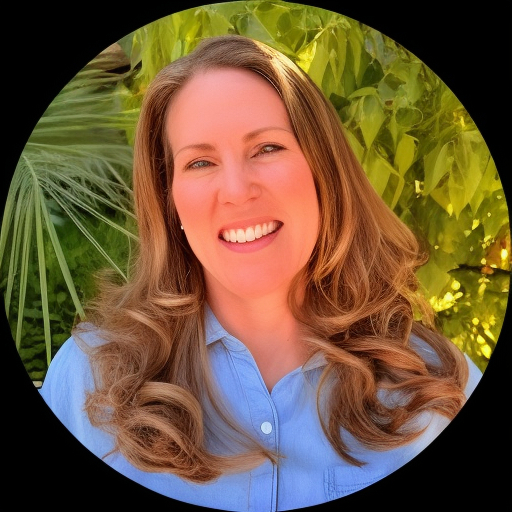
Katherine Meyers, LCSW
Therapist in Nevada
Compassionate social work for practical change
Continue with KatherineReview online therapy options on BetterHelp.
Experience
4+ years
Credentials
LCSW
Languages
English
Based in
Nevada
- Evidence-informed care
- Focus on sexual health
- Goal oriented
About Katherine
Her approach comes from social work values like service, dignity, and human connection. She emphasizes evidence-based methods while keeping the person central to the work. Sessions focus on clear goals and real-life changes rather than abstract labels.
Katherine draws on four years of clinical experience across a range of concerns. She has worked with people dealing with attachment and abandonment issues, communication and commitment problems, and the effects of chronic illness and caregiving stress. Her practice also includes speaking openly about body image, BDSM and kink topics, and personality-related challenges in ways that reduce shame.
In the therapy room she aims to be dependable and compassionate. Conversations tend to be practical - talking through what is happening now, trying new ways to respond, and checking what works. Katherine encourages clients to set the pace and adjust goals as they go.
She is licensed as an LCSW in New York and Nevada and provides services in English. People interested in starting are asked to use the Start Therapy button and complete a short matching questionnaire to schedule a first appointment.
How evidence-based approaches translate to online care
Many of the techniques Katherine uses draw on well-studied, practical methods. One common approach focuses on skill building for anxiety and depression - teaching breathing and attention strategies, planning manageable activities, and changing unhelpful thought patterns to reduce distress. Another approach centers on trauma-informed work that helps people name what happened, reduce shame, and practice coping strategies that improve day-to-day functioning.Choosing the right approach is part of the work together. Katherine collaborates with each person to decide which techniques fit their goals and comfort level, then adjusts the plan as progress is made. The goal is to find tools that feel useful and realistic for a client's life.
If you are considering online therapy, confirm the current session options before booking. The practical benefits of remote work often include easier scheduling, fitting sessions into a busy day, and simpler check-ins when a shorter conversation is the goal. Some people prefer phone sessions when they do not need video, while others like talking over video to use nonverbal cues; confirm which formats are offered when you set up your first appointment.
Areas of expertise
Additional focus areas
License details
- LCSW · New York
- 102762
- LCSW · Nevada
- 13297-C
- NPI (National Provider Identifier)
- 1861360190
As listed on the therapist's professional profile. You can check these details with the relevant licensing board, professional body or registry.
Frequently asked questions
What concerns does Katherine commonly address?
She works with stress, anxiety, self-esteem, depression, trauma and abuse, and LGBT identity questions, plus related issues like body image and caregiver stress.
What is her style of therapy like?
Her style is person-centered and practical. Sessions focus on clear goals, problem solving, and applying evidence-based techniques to daily life.
How much clinical experience does she have?
Katherine has four years of clinical experience working with people facing a range of mental health and relational concerns.
What are her credentials and where is she located?
She holds a Licensed Clinical Social Worker credential (LCSW) and practices out of Nevada while also holding an NY LCSW credential.
In which languages can sessions be held?
Sessions are offered in English.
Can people outside the United States work with her?
International clients are not currently accepted; she works with clients located according to her licensing rules.
How does payment and cost work?
Cost varies with location and therapist availability, and sessions are provided through a subscription model that can be canceled at any time.
How do I begin therapy with her?
Click the Start Therapy button, complete a short matching questionnaire, and schedule according to therapist availability.
Some intimacy concerns have a physical side. If you notice pain or other physical symptoms, please speak with a doctor as well. Therapy can sit alongside medical care, not replace it.