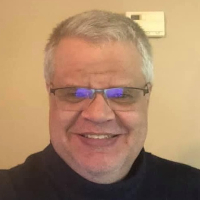
Dr. Jonathan Behler, LCMHC, LPC
Therapist in Alabama
Compassionate practical therapy for life and intimacy issues
Continue with JonathanReview online therapy options on BetterHelp.
Experience
15+ years
Credentials
LCMHC, LPC
Languages
English
Based in
Alabama
- Evidence-based techniques
- Focus on relationships
- Practical coping skills
About Jonathan
He helps people talk through relationship and communication problems. He also supports those dealing with depression, panic, trauma, and addiction concerns. Intimacy-related issues and problems tied to attachment or abandonment are included among his focus areas.
His background spans clinical counseling and psychology, and he draws on that training to form treatment plans with each person. Sessions typically cover coping strategies, ways to manage strong emotions, and approaches to improve daily functioning. He also works with people facing blended family challenges, parenting strain, and career stress.
Dr. Behler has worked with clients who experience chronic pain, illness, or disability and those facing separation or divorce. He offers structured ways to address codependency, communication breakdowns, and commitment concerns. When trauma or dissociation is part of the history, he incorporates approaches aimed at stabilizing symptoms and building resilience.
People who choose Dr. Behler can expect straightforward conversation and concrete goals. He encourages small, actionable changes and checks progress regularly. To begin, visitors are asked to use the site Start Therapy button and complete a short matching questionnaire.
How evidence-based work adapts to online care
Dr. Behler uses evidence-based therapeutic techniques that focus on symptom reduction and improved daily functioning. One common approach emphasizes skills training for anxiety and stress management, teaching breathing exercises, grounding methods, and behavioral strategies to reduce worry and overwhelm. Another approach focuses on trauma-informed stabilization to help people manage flashbacks, dissociation, and strong emotional reactions before moving into deeper work.Choosing the right approach is a collaborative process. The therapist will review a person’s history, current goals, and preferences and then recommend methods to try. Progress is checked together, and plans are adjusted based on what is most helpful for the individual.
If you are considering online therapy, confirm the current session options before booking since session formats are not specified here. Online work can make it easier to fit regular sessions into a busy week, reduce commute time, and allow for shorter check-ins when a brief update is needed. It can also let people use quieter surroundings or lower-bandwidth options when video is difficult. Licensed professionals can adapt exercises, homework, and communication to work well across formats to keep momentum toward the goals you set together.
Areas of expertise
Primary focus
Also works with
Additional focus areas
License details
- LCMHC · North Carolina
- 11786
- LPC · Alabama
- LPC04767
- LPC · Virginia
- 0701012486
- NPI (National Provider Identifier)
- 1871966150
As listed on the therapist's professional profile. You can check these details with the relevant licensing board, professional body or registry.
Frequently asked questions
What kinds of concerns does this therapist address?
He works with a wide range of concerns including stress, anxiety, depression, grief, addictions, trauma and intimacy-related issues.
How would you describe his therapeutic style?
He uses evidence-based therapeutic techniques and focuses on practical steps people can try between sessions.
What relevant experience does he bring?
He has 15 years of clinical experience working with issues like PTSD, panic, marital problems, and a range of mental health concerns.
What credentials and region are listed for this clinician?
He holds LCMHC and LPC credentials and practices in Alabama.
Which languages can sessions be conducted in?
Sessions are offered in English.
Can people outside the United States work with him?
He is not accepting international clients at this time.
How is cost handled for sessions?
Cost varies with location and therapist availability; sessions use a subscription that can be canceled at any time.
What steps are needed to get started?
Select the Start Therapy button, complete a short matching questionnaire, and schedule according to therapist availability.
Some intimacy concerns have a physical side. If you notice pain or other physical symptoms, please speak with a doctor as well. Therapy can sit alongside medical care, not replace it.