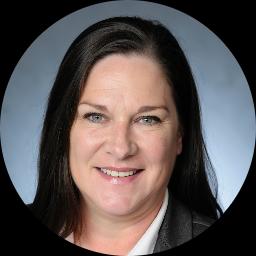
Jennifer Hutchison, LPC, LMHP
Therapist in Texas
Compassionate, practical therapy for life challenges
Continue with JenniferReview online therapy options on BetterHelp.
Experience
13+ years
Credentials
LPC, LMHP
Languages
English
Based in
Texas
- Strengths focused
- Practical steps
- Evidence based
About Jennifer
With 13 years of experience, she draws on evidence-based therapeutic techniques to guide conversations and set practical goals. Sessions focus on clear, manageable steps people can use between meetings. Jennifer listens for patterns that keep problems repeating and works with clients to try new ways of responding.
She pays attention to issues that often appear alongside major concerns, such as attachment and abandonment questions, caregiving strain, chronic illness and pain, body image, and communication problems. Jennifer also supports people navigating adoption and foster care matters, blended family dynamics, aging-related stress, and commitment or codependency struggles.
Her approach is collaborative and straightforward. She helps clients break larger problems into smaller tasks and tracks small wins over time. Conversations are practical, aimed at reducing the things that get in the way of daily life.
Jennifer is licensed in Texas and Nebraska as an LPC and LMHP and works in English. If someone wants to begin, they can use the site tools to match and schedule a first appointment according to the listed process.
Approaches that guide online work
Jennifer uses evidence-based therapeutic techniques that emphasize practical change and skill building. One common approach focuses on identifying unhelpful thinking and testing new behaviors in everyday life, which can help with anxiety, depression, and stress. Another approach centers on tracking patterns in relationships and communication to improve how people connect and handle conflict, which is useful for relationship strain and attachment concerns.Choosing the right method is part of the work together. The therapist will discuss goals, preferences, and what has or has not helped in the past, then try approaches that match those needs. Clients are invited to give feedback so the plan can be adjusted as progress unfolds.
Online therapy can make it easier to fit sessions into a busy life. It can reduce travel time, allow quicker check-ins during a workday, and make scheduling more flexible. Because session formats are not specified here, confirm the available options before booking so you know how sessions will be delivered. The focus is on finding practical ways to apply what is learned in therapy to daily routines.
Areas of expertise
Primary focus
Additional focus areas
License details
- LMHP · Nebraska
- 5101
- LPC · Texas
- 100454
- NPI (National Provider Identifier)
- 1760864177
As listed on the therapist's professional profile. You can check these details with the relevant licensing board, professional body or registry.
Frequently asked questions
What concerns does this therapist commonly help with?
She helps people dealing with stress, anxiety, addictions, relationship struggles, trauma and abuse, and depression, plus related issues like attachment, abandonment, and caregiver stress.
What is the therapy style like?
Sessions are practical and collaborative. The therapist focuses on small, actionable steps and works with clients to build on existing strengths.
How much clinical experience does she have?
The profile notes 13 years of professional experience supporting people with a range of mental health concerns.
What credentials and region are listed for this clinician?
She holds LPC and Licensed Mental Health Practitioner credentials and is listed as practicing in Texas with licensure also in Nebraska.
Which languages are supported for sessions?
Sessions are offered in English.
Does she work with clients outside the United States?
International clients are not currently accepted.
How are fees and billing handled?
Cost varies by location and therapist availability; sessions use a subscription that can be canceled at any time.
What are the steps to begin therapy with this clinician?
Use the Start Therapy button, complete a short matching questionnaire, and schedule according to the therapist's availability.
Some intimacy concerns have a physical side. If you notice pain or other physical symptoms, please speak with a doctor as well. Therapy can sit alongside medical care, not replace it.