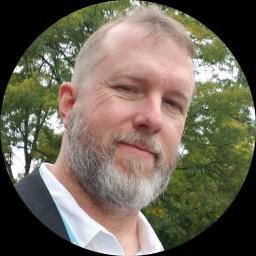
James Wankel, LCSW, LISW-CP
Therapist in North Carolina
Practical, compassionate care for sexual health concerns
Continue with JamesReview online therapy options on BetterHelp.
Experience
5+ years
Credentials
LCSW, LISW-CP
Languages
English
Based in
North Carolina
- Client-centered
- Goal focused
- Evidence informed
About James
Approaches that translate to online care
Client-centered therapy focuses on listening and building a respectful relationship, helping people feel understood while they set their own goals. Cognitive behavioral therapy, or CBT, breaks problems into thoughts, feelings, and actions and teaches practical tools to change unhelpful patterns. Mindfulness therapy trains simple awareness skills to reduce reactivity and improve stress management.Finding the right approach is part of the work. The therapist will collaborate with each person to pick methods that match their goals, needs, and preferences. That choice may shift over time as progress and new priorities emerge.
Because specific session formats are not listed here, confirm current options before booking. Online therapy can make it easier to fit sessions into busy days, reduce travel time, and allow for shorter check-ins when a full visit is not needed. It can also give people access to licensed professionals while staying in their local community. Ask about available formats and scheduling when you start the matching process to find what best fits your routine.
Areas of expertise
Primary focus
Additional focus areas
Therapeutic approaches
License details
- LCSW · North Carolina
- C019216
- LISW-CP · South Carolina
- 18468
- NPI (National Provider Identifier)
- 1821728593
As listed on the therapist's professional profile. You can check these details with the relevant licensing board, professional body or registry.
Frequently asked questions
What concerns does James help with?
He supports people dealing with stress, anxiety, addictions, trauma and abuse, coaching needs, and ADHD. Additional focus areas include sexual health topics and related concerns such as body image and communication problems.
What is his style in sessions?
He practices in a straightforward, empathic way that centers each person's goals. Sessions mix listening with practical skill-building and collaborative planning.
How much clinical experience does he have?
He has five years of clinical experience working with diverse concerns and life transitions. That background informs his practical approach to problem solving.
What credentials and where is he licensed?
He holds LCSW and LISW-CP credentials, licensed in North Carolina and South Carolina as noted. His practice is based in North Carolina.
Which languages are supported?
Sessions are offered in English only.
Can international clients work with him?
He does not accept international clients at this time.
How does billing and cost work?
Cost varies with location and therapist availability, and sessions use a subscription that can be canceled at any time. Specific rates are provided through the platform during sign-up.
How do I start a session?
Use the Start Therapy button, complete the short matching questionnaire, and then schedule according to the therapist's availability on the site.
Some intimacy concerns have a physical side. If you notice pain or other physical symptoms, please speak with a doctor as well. Therapy can sit alongside medical care, not replace it.