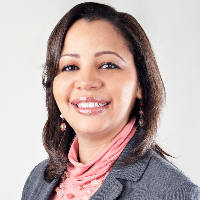
Hope Holman, LCSW
Therapist in Virginia
Experienced LCSW offering warm practical care
Continue with HopeReview online therapy options on BetterHelp.
Experience
10+ years
Credentials
LCSW
Languages
English
Based in
Virginia
- Strength-based approach
- Mindfulness and CBT
- Support for relationships
About Hope
Hope brings ten years of mental health experience to her work and draws on practical, person-focused methods. She combines Cognitive Behavioral Therapy, Client-Centered Therapy, and mindfulness-based ideas to tailor sessions to what each person needs. Sessions are described as warm, nonjudgmental, and supportive so people can speak honestly about hard topics.
Her background includes work in outpatient settings, in-home therapy, group programs, and support groups. She has worked with people across a wide age range and with varied concerns including parenting challenges, foster care and adoption issues, ADHD, and domestic violence. She also lists experience addressing body image, caregiver stress, commitment and communication problems, and other relational or life-change concerns.
In therapy with Hope, people can expect practical tools alongside reflective conversation. She emphasizes strength-based work and helps clients set small, achievable steps toward their goals. Hope encourages collaboration so the plan fits a person's real life and priorities.
If you want someone who listens closely and offers steady support, Hope invites you to begin the process and take the first step toward change.
How Hope's approaches translate to online work
Acceptance and Commitment Therapy (ACT) focuses on helping people notice unhelpful thoughts and commit to actions that match their values. It often helps when someone is stuck in worry, avoidance, or feels disconnected from what matters. Cognitive Behavioral Therapy (CBT) looks at how thoughts, feelings, and behaviors connect and teaches concrete skills to shift unwanted patterns. It is useful for anxiety, depression, and stress-related problems. Client-Centered Therapy emphasizes a supportive, nonjudgmental relationship where the person sets the pace and focus of work.Finding the right approach is a collaborative process. The therapist will listen to your goals and try methods that fit your needs and preferences. Together you can adjust tools and homework so the work feels doable in day-to-day life.
Confirm current session options before booking, as formats are not listed here. Online work can make it easier to fit sessions into a busy schedule, allow shorter check-ins when needed, and remove travel time. It also makes it possible to continue momentum between appointments and bring therapy into your everyday routine while you try new skills.
Areas of expertise
Primary focus
Also works with
Additional focus areas
Therapeutic approaches
License details
- LCSW · Virginia
- 0904011440
- NPI (National Provider Identifier)
- 1215569892
As listed on the therapist's professional profile. You can check these details with the relevant licensing board, professional body or registry.
Frequently asked questions
What concerns does Hope commonly address?
She works with people facing stress, anxiety, depression, trauma and abuse, grief, relationship and intimacy-related issues, and many life changes.
What is Hope's general therapy style?
Her style is warm, non-judgmental, and supportive. She blends practical tools with listening to help people feel heard and move forward.
How long has she been practicing?
Hope has approximately 10 years of experience in the mental health field, working in outpatient, in-home, and group settings.
What credential does she hold and where is she based?
She is a Licensed Clinical Social Worker (LCSW) practicing in Virginia.
Which languages are supported in sessions?
Sessions are offered in English.
Can people outside the United States work with her?
She does not accept international clients at this time.
How does billing and cost work?
Cost varies with location and therapist availability; sessions use a subscription that can be canceled at any time.
How do I begin working with Hope?
Select the Start Therapy button, complete a short matching questionnaire, and schedule according to therapist availability.
Some intimacy concerns have a physical side. If you notice pain or other physical symptoms, please speak with a doctor as well. Therapy can sit alongside medical care, not replace it.