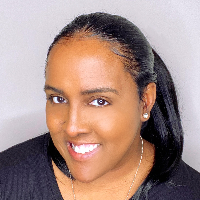
Fquira Johannes, LCSW
Therapist in North Carolina
Compassionate clinician guiding practical progress
Continue with FquiraReview online therapy options on BetterHelp.
Experience
20+ years
Credentials
LCSW
Languages
English
Based in
North Carolina
- Client-centered focus
- Cognitive behavioral tools
- Motivational support
About Fquira
Johannes focuses on helping people set and reach concrete goals. She uses client-centered conversations to follow the person’s lead, and she pairs that with cognitive behavioral techniques to address unhelpful thinking and behavior. Motivational interviewing also plays a role when people want help finding motivation to change patterns that cause distress.
Her background includes long experience with depression, bipolar disorder, trauma and abuse, grief, and substance use issues. She also supports people coping with eating and sleep concerns, parenting stress, ADHD, and work or career strain. Additional focus areas listed include body image, blended family issues, codependency, and family of origin problems.
When working with people who have intellectual disability she uses visual aids and simple activities to make sessions easier to follow. She describes the client as the expert on their life and herself as a clinician who brings tools and structure to reach goals together.
Practices in North Carolina and offers services in English. International clients are accepted. Prospective clients are encouraged to confirm session options and scheduling details before booking.
How therapeutic approaches translate to online care
Client-Centered Therapy focuses on listening and following the person’s lead. In practice this means sessions start where the client is, with the therapist asking questions and reflecting to clarify goals and priorities. Cognitive Behavioral Therapy (CBT) works on linking thoughts, feelings, and behaviors and uses simple steps and exercises to reduce distress and change patterns. Mindfulness Therapy encourages moment-to-moment awareness and brief practices to reduce reactivity and improve focus.Finding the right approach is part of the work. The therapist will discuss options and tailor methods based on a client’s goals, needs, and preferences. This is a collaborative process where techniques can be adjusted if they do not fit or feel helpful.
The original biography did not list specific online session formats, so please confirm available session types before booking. Generally, online sessions can make it easier to fit appointments into a busy day, reduce travel time, and allow shorter check-ins when a full hour is not needed. Many people find that structured CBT exercises and guided mindfulness practices adapt well to remote sessions, while client-centered conversations also translate into video or phone meetings. Licensed professionals can help select the best arrangement to match a client’s routine and goals.
Areas of expertise
Primary focus
Also works with
Additional focus areas
Therapeutic approaches
License details
- LCSW · North Carolina
- C012111
- LCSW · New Jersey
- 44SC06254300
- LCSW · California
- 130939
- NPI (National Provider Identifier)
- 1982942017
As listed on the therapist's professional profile. You can check these details with the relevant licensing board, professional body or registry.
Frequently asked questions
What kinds of concerns does this therapist help with?
She works with a wide range of concerns including stress, anxiety, depression, addictions, trauma and intimacy-related issues.
What is the therapy style like in sessions?
Sessions are client-centered and practical, combining listening with actionable techniques such as cognitive behavioral methods and motivational interviewing.
How much clinical experience does she have?
She has 20 years of experience supporting people with mental health and substance use challenges.
What credentials and location are listed?
She is a Licensed Clinical Social Worker (LCSW) and practices in North Carolina.
Which languages are supported for sessions?
Sessions are offered in English and international clients are accepted.
What session formats are available?
The original profile does not list specific session formats; please confirm current session options with the provider before booking.
How are fees and billing handled?
Cost varies by location and therapist availability; sessions use a subscription that can be canceled at any time.
How do I begin working with this therapist?
Use the Start Therapy button, complete the short matching questionnaire, and schedule according to the therapist's availability.
Some intimacy concerns have a physical side. If you notice pain or other physical symptoms, please speak with a doctor as well. Therapy can sit alongside medical care, not replace it.