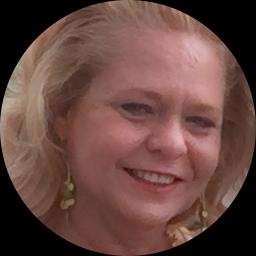
Diane Langston-Schicker, LMFT
Therapist in Florida
Experienced Florida LMFT focusing on relationships
Continue with DianeReview online therapy options on BetterHelp.
Experience
27+ years
Credentials
LMFT
Languages
English
Based in
Florida
About Diane
She draws on client-centered and attachment-based ideas to build on what already works in a person’s life. Diane uses Cognitive Behavioral Therapy to help change unhelpful thinking and behavior patterns. She also uses Eye Movement Desensitization and Reprocessing for people recovering from trauma and abuse.
Diane commonly supports people facing grief, addiction, and major life changes. She also helps with body image, sleep and eating concerns, and stress from caregiving. Her practice includes work around ADHD, compassion fatigue, and commitment struggles.
In sessions she focuses on clear goals and step-by-step strategies. Conversations often include skill-building for communication and emotion regulation. Diane encourages small, achievable changes that add up over time.
She accepts clients who prefer to meet from other states as well as Florida residents. Sessions are conducted in English. To begin, clients complete a short matching questionnaire and schedule a time that fits their availability.
How Diane’s approaches translate to online therapy
Attachment-based work focuses on patterns in close relationships and how early connections shape current expectations. Online sessions can be used to notice those patterns, practice new ways of relating, and try different interaction skills in everyday life.Client-centered therapy emphasizes the client’s own goals and pace. In this approach the therapist listens, reflects, and helps people find their own answers, which can be especially helpful when navigating identity, self-esteem, or life transitions.
Finding the right approach is part of the process. Diane will talk with each person about goals, preferences, and what feels most useful. Together the therapist and client decide whether attachment work, client-centered methods, CBT, or another approach fits best for the concern at hand.
Specific session formats were not listed in the biography, so confirm current options before booking. Online therapy can make it easier to fit sessions into a busy week, reduce travel time, and allow shorter check-ins when schedules demand it. Many people find virtual meetings help them stay consistent with therapy and apply new skills directly to daily routines.
Areas of expertise
Primary focus
Also works with
Additional focus areas
Therapeutic approaches
License details
- LMFT · Florida
- MT1622
- NPI (National Provider Identifier)
- 1437495413
As listed on the therapist's professional profile. You can check these details with the relevant licensing board, professional body or registry.
Frequently asked questions
What kinds of concerns does Diane address?
She works with depression, anxiety, relationship and intimacy-related issues along with trauma and abuse, grief, addictions, stress, and caregiving strain.
How would you describe her therapeutic style?
Her style is warm and practical, focusing on clear goals, step-by-step strategies, and skill-building for communication and emotion management.
What is her background and level of experience?
Diane has 27 years of clinical experience as a licensed marriage and family therapist practicing in Florida.
What credential does she hold and where is she based?
She holds the LMFT credential and practices in Florida.
Are sessions offered in other languages or internationally?
Sessions are offered in English, and she accepts international clients.
What session formats are available?
The original biography does not list specific session formats; please confirm current session options before booking.
How is cost handled for sessions?
Cost varies with location and therapist availability and sessions use a subscription that can be canceled at any time.
How do I get started with therapy?
Select the Start Therapy button, complete the short matching questionnaire, and schedule according to therapist availability.
Some intimacy concerns have a physical side. If you notice pain or other physical symptoms, please speak with a doctor as well. Therapy can sit alongside medical care, not replace it.