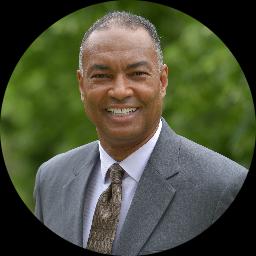
Dr. Daniel Williams , LCSW
Therapist in Illinois
Compassionate, practical support for life changes
Continue with DanielReview online therapy options on BetterHelp.
Experience
23+ years
Credentials
LCSW
Languages
English
Based in
Illinois
- Addictions and recovery
- Relationship clarity
- Better self esteem
About Daniel
He uses a tailored approach that matches each person's needs and goals. Sessions focus on practical steps and clearer communication. That might mean learning new ways to manage substance use, rebuilding trust after separation, or finding routines that support mood and self-worth.
Dr. Williams emphasizes respect and compassion in the therapeutic relationship. He listens to concerns, identifies patterns that keep problems going, and helps people build small, doable changes. The tone in sessions is direct but supportive, with attention to real-life challenges like work, family, and day-to-day stress.
Over two decades of practice have included many different care settings in Illinois. That experience informs an adaptable style that aims for realistic progress rather than quick fixes. He also helps people navigate related issues such as communication problems, commitment worries, codependency, and the emotional impact of divorce or loss.
People considering therapy are encouraged to think about their goals before starting. Dr. Williams will work with each person to set clear aims and check in on progress. This makes it easier to see what’s changing and what still needs attention.
Evidence-informed approaches for online progress
Dr. Williams uses evidence-based therapeutic techniques and adapts them to individual needs. One common focus is behavioral strategies that help change habits and manage addictive behaviors through step-by-step plans and skills practice. These techniques support people who want concrete ways to reduce substance use or manage urges.Another frequent emphasis is on communication and relationship work. That involves practicing clearer ways to express needs, set boundaries, and resolve conflicts so daily interactions become less stressful and more connected.
Finding the right approach is part of the work together. He will collaborate with each person to choose methods that match their goals, personality, and life situation. Therapy plans are revisited regularly so techniques can be adjusted when needed.
Because the therapist’s session formats are not specified in the provided biography, confirm current online options before booking. Online sessions can make it easier to fit therapy into a busy routine, reduce travel time, allow for shorter check-ins when schedules are tight, and offer flexibility for people living in different locations. Licensed professionals can use these benefits to help clients keep steady progress while managing everyday demands.
Areas of expertise
Primary focus
Additional focus areas
License details
- LCSW · Illinois
- 149.028424
- NPI (National Provider Identifier)
- 1063142842
As listed on the therapist's professional profile. You can check these details with the relevant licensing board, professional body or registry.
Frequently asked questions
What concerns does this therapist commonly address?
He works with people facing addictions, depression, relationship strain, family conflict, and low self-esteem, plus related issues such as divorce, codependency, and communication problems.
What is the general therapy style here?
The approach is practical and tailored. Sessions focus on listening, identifying unhelpful patterns, and building small, realistic steps toward the client’s goals.
How much clinical experience does he have?
He brings 23 years of professional experience working with a range of behavioral health concerns in Illinois settings.
What are his credentials and location?
He holds an LCSW credential and practices in Illinois.
Which languages are supported for sessions?
Sessions are offered in English.
Can people outside the United States access services?
International clients are accepted, though practical arrangements depend on the client’s location and local regulations.
How are costs and billing handled?
Cost varies with location and therapist availability; sessions use a subscription that can be canceled at any time.
How do I begin working with this therapist?
Use the Start Therapy button, complete a short matching questionnaire, and schedule according to therapist availability.
Some intimacy concerns have a physical side. If you notice pain or other physical symptoms, please speak with a doctor as well. Therapy can sit alongside medical care, not replace it.